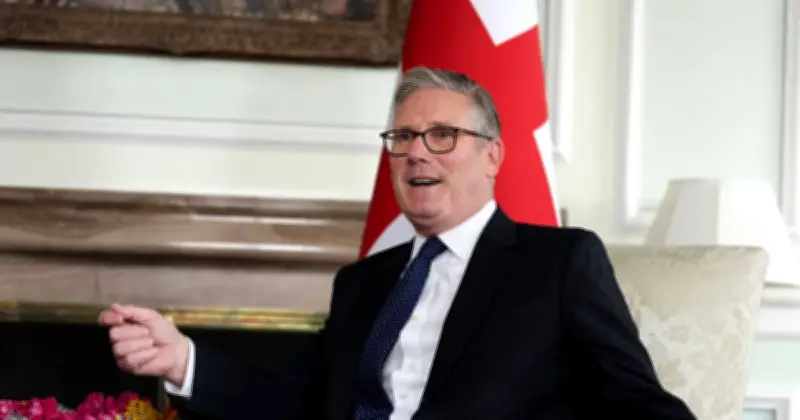
Outgoing Prime Minister Sir Keir Starmer could break a pledge not to hand out honours after leaving Downing Street, three years after saying he would never do it. When asked about a resignation honours list this week, Starmer twice declined to rule it out, stating he would “look at that in the usual course of things.”
Starmer’s 2023 Pledge Against Resignation Honours
In 2023, Starmer criticised then-Prime Minister Rishi Sunak for allowing Boris Johnson to grant peerages and knighthoods to close advisers and key supporters. Starmer told BBC Radio 4’s Today programme: “No. There are other opportunities. Tony Blair didn’t have a resignation list. It’s very hard to justify… There are other avenues for that and I think it’s easier to be clean about this and simply say, no, I wouldn’t do it.”
Potential Beneficiaries and Controversy
A Starmer honours list could elevate figures such as Morgan McSweeney, his former chief of staff. McSweeney quit No 10 in February after the Lord Mandelson scandal, having championed the disgraced peer for UK ambassador to the US despite Mandelson’s known friendship with paedophile financier Jeffrey Epstein. Tory Chairman Kevin Hollinrake accused Starmer of hypocrisy: “Just three years ago, he promised there would be no resignation honours. Now, not content with stuffing the House of Lords full of cronies with dodgy CVs and cosy relationships with sex offenders, he is plotting even more appointments.”

Historical Context of Resignation Honours
Prime ministers traditionally nominate people for honours after leaving office, subject to approval by their successor and the House of Lords Appointments Commission. Such lists have often been controversial. Liz Truss published one after only seven weeks as PM. Boris Johnson’s list included attendees of a lockdown party. David Cameron was criticised for rewarding “cronies” from the Remain campaign. Harold Wilson’s 1976 “lavender list” featured a businessman later convicted of fraud.
Starmer’s Previous Controversial Honours
Even before his resignation, Starmer’s honours drew criticism. He gave a peerage to former communications director Matthew Doyle, who had campaigned for a Labour councillor charged with possessing and distributing indecent images of children. He also granted Sue Gray a seat in the Lords after removing her as chief of staff.