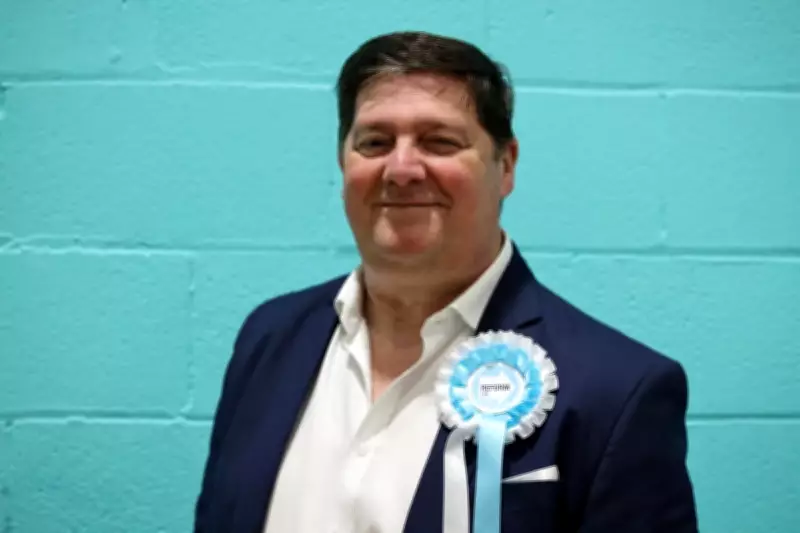
Reform Councillor Apologises for Liking Violent Facebook Post Targeting MP
A Reform UK councillor has issued a public apology after it emerged he liked a Facebook post that called for a Labour MP to be shot. The incident has sparked controversy and drawn attention to the party's handling of such matters.
Details of the Controversial Post
Simon Evans, who serves as a cabinet member for children and families on Lancashire Council, liked a Facebook post that targeted Natalie Fleet, the Labour MP for Bolsover. The post referenced the grooming gang inquiry and explicitly stated that Ms Fleet 'should be shot'. Cllr Evans has since claimed he did not fully read or understand the content before liking it, emphasising that he would never intentionally endorse violence against anyone.
Apology and Party Response
Upon being alerted to the nature of the post, Cllr Evans promptly deleted his like and issued an apology. He stated, 'I deeply regret my actions and apologise unreservedly to Ms Fleet and anyone offended. It was a careless oversight, and I condemn all forms of violence.' Reform UK has defended Cllr Evans, accepting his apology and characterising the incident as an 'honest mistake'. The party has refused to expel him, arguing that the matter has been resolved internally.

Broader Context of Reform UK Controversies
This incident is not isolated within Reform UK. It follows other recent controversies involving party candidates, such as Chris Parry, who made racially charged comments about figures including David Lammy, Enoch Powell, Sir Lenny Henry, and Birmingham. These events have raised questions about the party's vetting processes and its stance on inflammatory rhetoric. Critics argue that such incidents undermine public trust, while supporters maintain they are rare and dealt with appropriately.
The fallout from this episode highlights ongoing tensions in UK politics, particularly around social media conduct and accountability. As debates over migration and other sensitive issues intensify, the actions of elected officials online continue to be scrutinised closely by the public and media alike.