Queen Elizabeth's Blind Spot for Prince Andrew Led to His Downfall
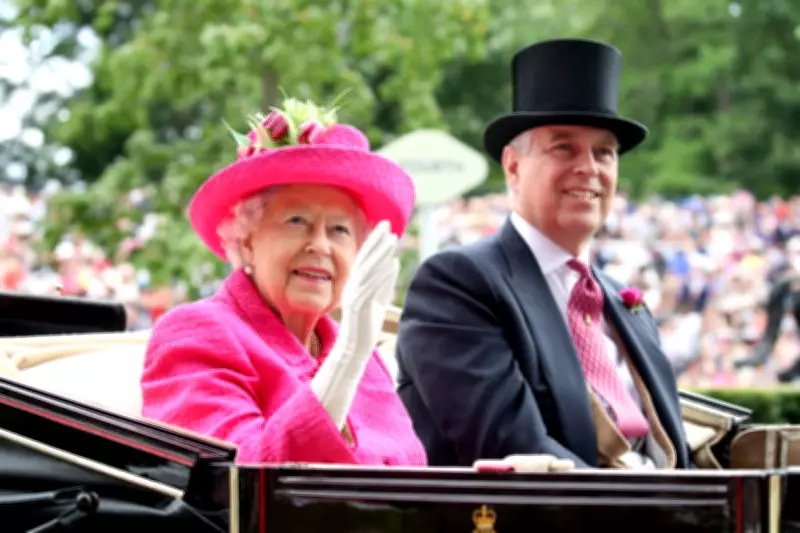
As Andrew Mountbatten-Windsor faces arrest on the Sandringham estate and becomes the focus of a misconduct in public office investigation, royal author Nigel Cawthorne examines how the late monarch's maternal affection created a dangerous blind spot that shielded her favourite son from accountability for years.
The Protected Descent from Palace to Police Cell
The former Prince Andrew's undignified journey from Buckingham Palace to a police cell represents an inexorable fall that has been decades in the making. Protected at nearly every turn by royal privilege, Andrew now faces not only longstanding allegations of sexual misconduct—which he strongly denies—but also a serious investigation into misconduct during his tenure as a UK trade envoy between 2001 and 2011.
Financial irregularities have long shadowed Andrew's activities. The mysterious 2007 sale of his marital home, Sunninghill Park, raised eyebrows when it was purchased for £3 million over the asking price by the billionaire son-in-law of Kazakhstan's long-serving president, who subsequently demolished the property. Further questions emerged regarding Naples Gold, a private business established in 2002 with Swedish millionaire Johan Eliasch using the pseudonym Andrew Inverness—a name that appeared on company records with Andrew's exact birth date of 19 February 1960.
The Controversial Trade Envoy Appointment
Andrew's appointment as UK trade envoy occurred despite strong objections from his brother, then-Prince Charles, who reportedly warned the Queen that the decision would prove disastrous. The monarch nevertheless approved her favourite son taking the role, with support from then-Prime Minister Tony Blair's Labour government and allegedly from Peter Mandelson, who believed Andrew was "well qualified" despite the concerns.
Almost immediately, complaints began accumulating. Foreign Office protocol departments noted Andrew's refusal to adhere to agreed itineraries and his tendency to leave "a trail of glass in his wake." His extravagant expenses earned him the nickname "Air Miles Andy" after it emerged he refused commercial flights, instead utilizing helicopters and private jets for journeys that included golf tournaments, football matches, and social visits to girlfriends worldwide.
Exorbitant Expenses and Diplomatic Embarrassment
Financial records reveal staggering expenditures. In 2003 alone, Andrew spent £325,000 on flights, including £2,939 for a helicopter to travel 120 miles from Windsor to Oxford when a train ticket would have cost £97. A 2005 National Audit Office investigation examined 41 journeys, including three golfing trips costing approximately £32,000, with one RAF jet flight to Fife for 18 holes of golf costing taxpayers £4,645.
Diplomatic cables and embassy reports painted an embarrassing picture of Andrew's conduct abroad. The deputy head of mission in Bahrain described his behavior as "boorish" and "rude," while British diplomatic communities in the Gulf reportedly referred to him as "HBH: His Buffoon Highness." Sir Ivor Roberts, ambassador to Italy, noted Andrew was "brusque to the point of rudeness" and that his "kind of diplomacy" did not improve relations.
The Queen's Unwavering Support
Despite mounting evidence of problematic behavior, Queen Elizabeth's support for her son remained steadfast. When senior officials raised "the Andrew problem," she prevaricated and suggested consulting Prince Philip, who advised that Andrew be told to "sharpen up his act or lose his job." Nevertheless, Andrew continued in his role until 2011, when public and parliamentary criticism intensified following revelations of his continued association with convicted financier Jeffrey Epstein.
The Queen's protection extended beyond Andrew's official duties. She reportedly contributed £7 million toward the £12 million settlement paid to Virginia Giuffre in 2022 to resolve civil allegations of sexual misconduct—claims Andrew has consistently denied. Additional funds came from Prince Philip's estate and other royal family members, though King Charles reportedly did not contribute.
The Current Crisis and Royal Reckoning
With Queen Elizabeth no longer alive to shield him, Andrew faces unprecedented scrutiny. His arrest on the Sandringham estate marks a dramatic escalation, with up to eight police forces now investigating serious allegations. The search of Royal Lodge has entered its second day, and calls grow for Andrew's removal from the line of succession—a move requiring an Act of Parliament.
King Charles has expressed "deep concern" and pledged full cooperation with police, stating "the law must take its course." The current scandal, involving money, sex, and associations with convicted individuals, represents a crisis far beyond the "annus horribilis" of 1992, when the Queen appealed for "a touch of gentleness, good humour and understanding." Today's public demands for accountability suggest only a full reckoning will satisfy mounting concerns about royal conduct and privilege.