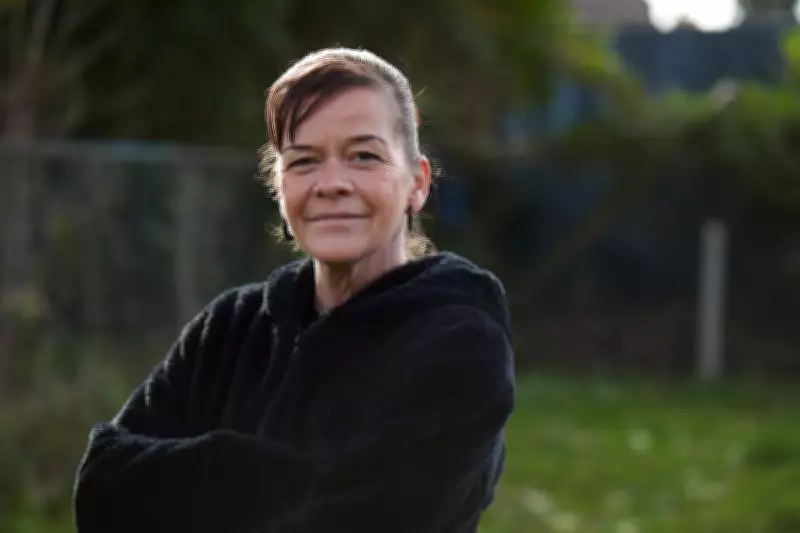
As a single mother who had happily lived in a Bristol rental home for 10 years, a no-fault eviction drove my young family into squalid flats beset by disrepair, mould, rat problems and carbon monoxide leaks, says Amanda Wall.
Today, no-fault evictions, which allow landlords to kick renters out for no reason, are finally being scrapped. It was one of these unfair evictions, also known as a Section 21, which started the chain of events which led to me and my family becoming homeless. I had been living in my rented home in Bristol, with my two children, Ruby and Dom, for 10 years – we were happily settled. Then, out of nowhere, in 2018, we were hit with a no-fault eviction.
Trying to find a decent rental property, especially with children, is notoriously tough. But the search was harder than I could ever have imagined. The housing market was in overdrive and rents were sky high, way beyond what I could afford. As a self-employed, single parent I faced discrimination on multiple fronts.

I remember spending five hours a day, every day, searching, searching, searching. I had looked at over 300 properties when finally, through a stroke of luck, I found somewhere. A woman I knew was moving and I persuaded her landlord to let me take the place on, raising my deposit with the help of my local church. But my joy and relief soon gave way to dread. The place was in a terrible state of disrepair. Caked in mould, it had a serious rat problem and, later, a carbon monoxide leak which made the kids ill. I was paying £950 a month in rent and with a deposit of £7,000 – six months rent in advance and another £1,000 on top (rent in advance is something also now banned, through the Renters’ Rights Act).
The landlord had all the excuses in the world for not fixing the problems. Too many renters will know how powerless you feel, trying to challenge a landlord who is dodging their responsibilities, and wielding the threat of a no-fault eviction against you. You know how impossible it will be to find anywhere else, if they decide to play that trump card. And so, I felt we had no choice but to go on living there. I hated the place and it never felt like home. But that didn’t make it any easier when, in June 2022, we were evicted again and became homeless.
Families with children facing homelessness are entitled to what’s known as temporary accommodation. As the name suggests, it’s meant to be a very brief stopgap, until you’re offered a permanent home. We were told we’d be in temporary accommodation for around a week. Instead, we were shunted around 11 different hotels and hostels over the course of the following seven. At one hotel we faced an eight hour round trip to get my son to school – I had no car and we couldn’t afford taxis. We were trapped in a single room with no kitchen, kettle, or microwave, so we had to live off expensive takeaways. My daughter, who was 17 at the time, often felt intimidated by men coming in and out of the hotels. It’s every parent’s worst nightmare.
Throughout this time, I had been receiving support from Shelter. The family services team in Bristol were incredible, and with their help I managed to keep fighting, and eventually received the offer of a permanent social home. Ultimately, getting this home, with Shelter’s support, was my silver bullet. I wish that more families could have a safe, secure home where they can put down roots and thrive.
Today feels so monumental, because if these protections had been in place, I wouldn’t have gone through half of what I went through. That no-fault eviction would never have dropped through my letter box. I’m ecstatic for people renting now – all eleven million of them - who will no longer face discrimination just for having children. They will no longer have to live on a knife-edge.