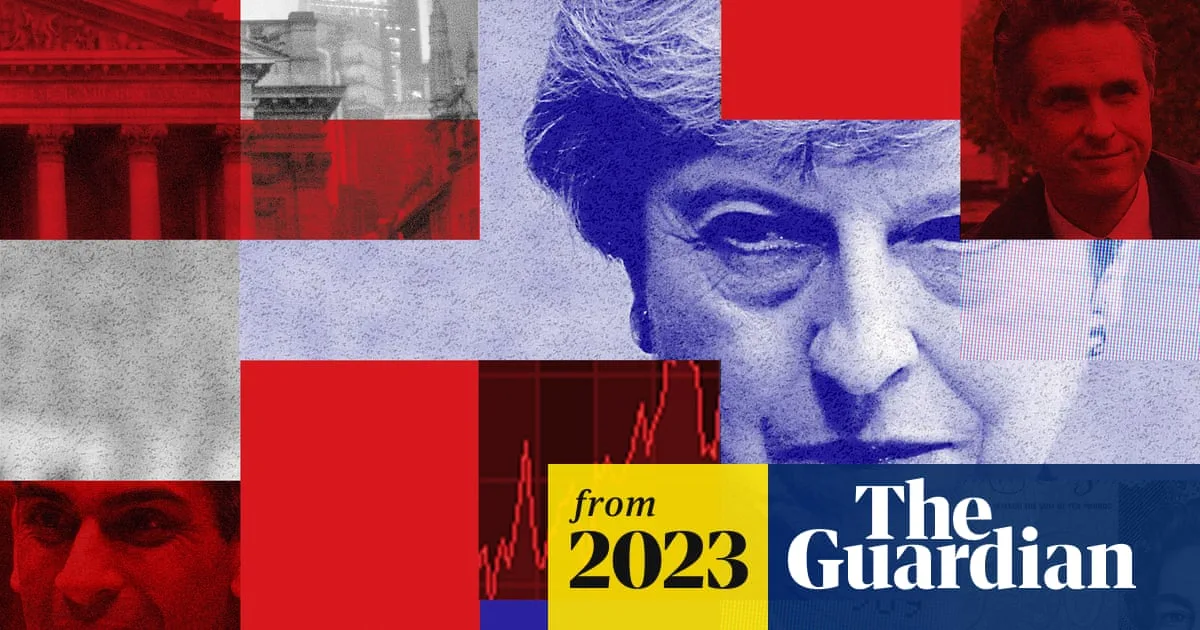
More than 50 MPs have owned stakes in publicly listed companies, including banks, housebuilders, and energy suppliers, that raise questions about possible conflicts of interest and have been effectively secret, the Guardian can reveal. Parliamentary rules mean these shareholdings, some held by former prime minister Theresa May and former education secretary Gavin Williamson, do not need to be publicly disclosed in parliamentary registers, leaving voters in the dark about the financial interests of their elected representatives.
The Guardian is publishing a list of several dozen MPs who currently have shares in companies such as Barclays, HSBC, BP, and Sainsbury's—firms that could be affected by legislation or new policy introduced by parliament. Almost all of these holdings are not required to be declared under current transparency rules, which have remained unchanged since 2015. MPs must only register holdings when they own more than 15% of a company's shares or when their shares are worth more than £70,000.
Transparency campaigners have said the findings “raise serious questions about vested interests in our democracy” and called for a review of the rules. Steve Goodrich, head of research and investigations at Transparency International UK, said: “If an MP has shares in a company affected by legislation going through parliament, there’s invariably a tension between them protecting their financial affairs and advancing the public good. Having these details out in the open is a key safeguard against abuse of public office.”

The list includes the chair of the environment select committee, Robert Goodwill; Conservative backbencher Desmond Swayne; shadow business minister Seema Malhotra; and SNP chief whip Brendan O’Hara—all with holdings below the threshold. The investigation also found that Prime Minister Rishi Sunak had a financial stake in National Grid until two days before he was selected as the Conservative candidate for his constituency. Sunak said he had placed his current investments into a blind trust in July 2019.
Theresa May owned shares in BP while home secretary, while her husband held shares in BP, Barclays, BT, and Centrica. Four months after she became prime minister, these shares were moved into a blind trust. The Guardian uncovered an apparent conflict of interest: May held meetings with BT as home secretary while her husband held shares in the company, which were not publicly disclosed. A spokesperson for May rejected any suggestion of a breach of rules, stating she had introduced legislation not in BT’s interest and had always declared financial interests to civil service officials.
Even shareholdings under the threshold may need to be declared under House of Commons rules requiring MPs to disclose any interests that might reasonably influence their actions. However, the onus is on MPs to make that judgment, and campaigners argue the current threshold is too high. The investigation also identified ministers who met lobbyists for companies like BP without declaring shares held by themselves or close family.