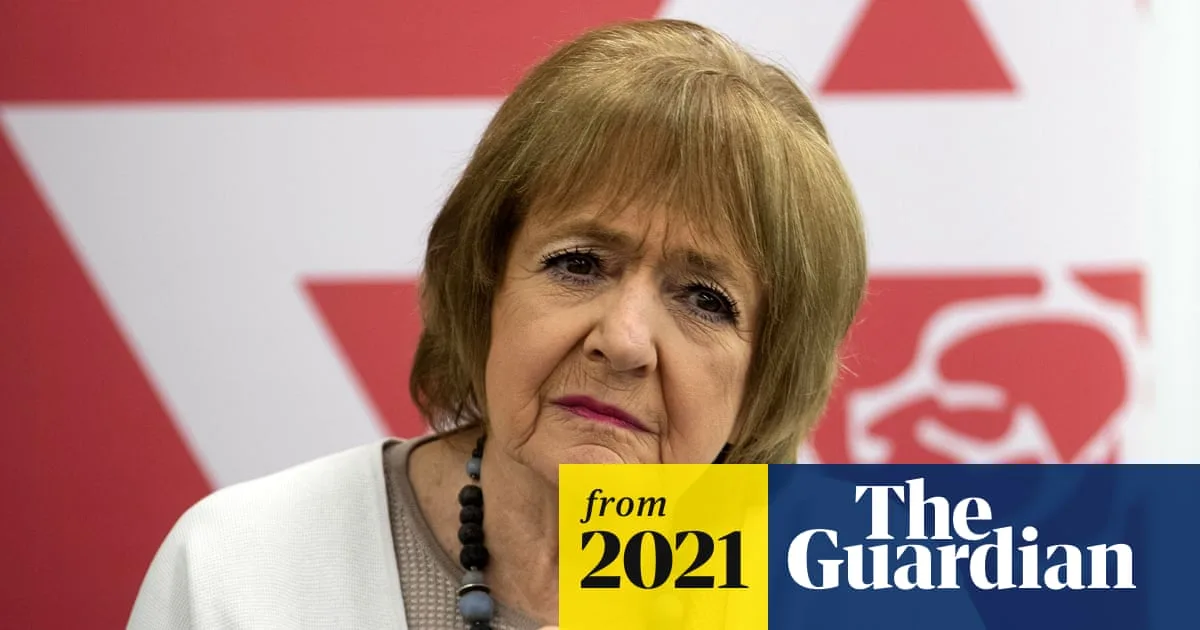
Dame Margaret Hodge, a senior Labour MP, has warned that the United Kingdom is at risk of becoming a corrupt nation unless it takes economic crime more seriously. Speaking in the House of Commons during a debate on the finance bill, Hodge highlighted the central role of London in facilitating financial crime, citing revelations from the Pandora Papers.
The Pandora Papers, a leak of documents from the International Consortium of Investigative Journalists (ICIJ), exposed extensive use of tax havens. Hodge noted that £4bn in secret property transactions were identified, and more UK citizens were named in the leak than from any other country. She described the UK's enforcement agencies as 'weak and toothless'.
Hodge called for the planned £100m levy for fighting money laundering to be doubled or tripled. She warned that without serious action, economic crime could seep into politics and the public domain, undermining the UK's reputation as a trusted jurisdiction. The National Crime Agency estimates £100bn is laundered through the UK annually, a figure Hodge believes is an underestimate.
Earlier in the debate, Hodge named Conservative MPs and party associations that received donations from companies linked to Russian-born oil tycoon Viktor Fedotov. Fedotov's company, Aquind, is seeking government approval for a £1.2bn cross-Channel electricity link. Labour chair Anneliese Dodds previously questioned the Tories about donations from firms linked to Fedotov, who was revealed in the Pandora Papers to have secretly co-owned a company accused of corruption.
Lawyers for Fedotov and Aquind have denied all accusations of fraud and corruption, stating Fedotov did not personally donate to the Tories and had no influence over Aquind's donations. Business Secretary Kwasi Kwarteng, who will decide on the Aquind project, has declined to comment on the Pandora Papers' disclosures.