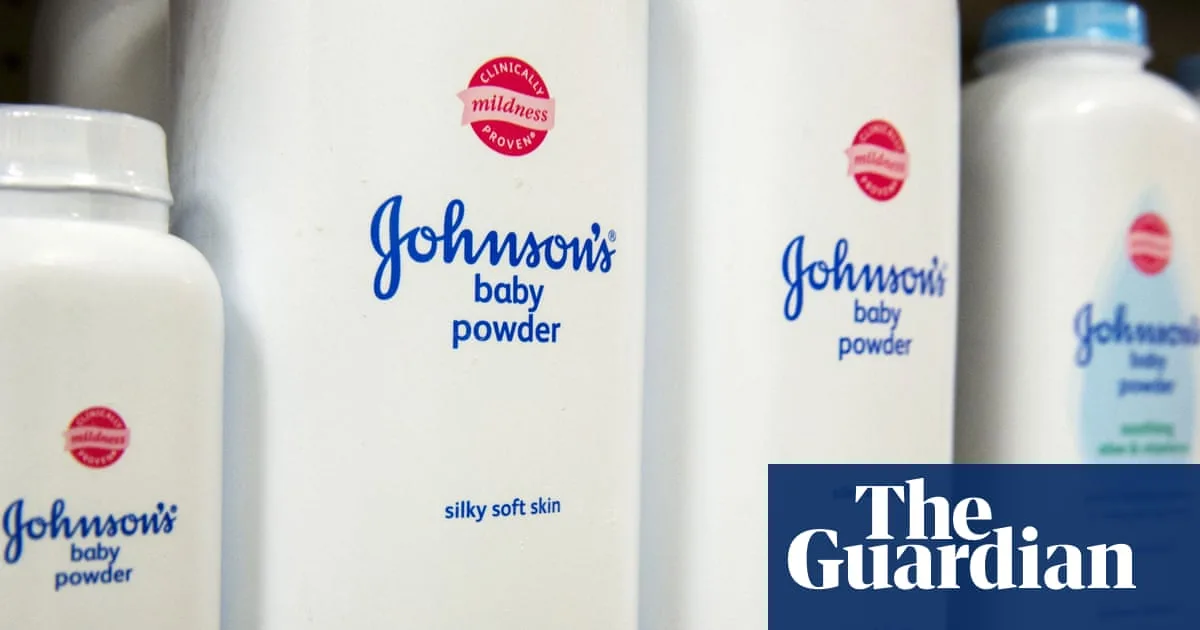
Lawyers representing 3,500 claimants are preparing to sue Johnson & Johnson (J&J) in what is expected to be one of the largest pharmaceutical product group actions in English and Welsh legal history. The group action alleges that the company knew its talcum powder products contained dangerous asbestos as early as the 1970s but failed to warn consumers, continuing to sell the products in the UK until 2022.
The specialist legal firm KP Law claims that thousands of women and some men contracted cancers, including ovarian cancer, mesothelioma, and peritoneal cancer, after using J&J talc products contaminated with asbestos. The number of UK-based claimants has soared from 1,900 in November last year. Papers are set to be filed this month at the High Court in London.
Tom Longstaff, a partner at KP Law leading the UK case, said: “All the claimants who have sustained cancer after using J&J’s talcum powder products have experienced a life-changing illness. In some cases they have died from their cancer, leaving their families devastated. All of these innocent individuals deserve justice.”
J&J has faced long-running lawsuits in the US over similar allegations, proposing billions of dollars to settle almost 60,000 US claims while denying that its products cause cancer. This will be the first time the company faces a legal challenge on the issue in a British court.
A spokesperson for Kenvue, formerly part of J&J and now responsible for talc-related claims outside the US and Canada, said: “We sympathise deeply with people who suffer from cancer and understand that they and their families want answers, but the robust science shows that use of our talc-based powder does not cause cancer.” The spokesperson added that decades of testing demonstrate the product is safe and does not contain asbestos.