Hong Kong's Deadly Blaze: 151 Killed, Corruption and Safety Failures Exposed
Hong Kong fire kills 151, sparks anger over safety lapses

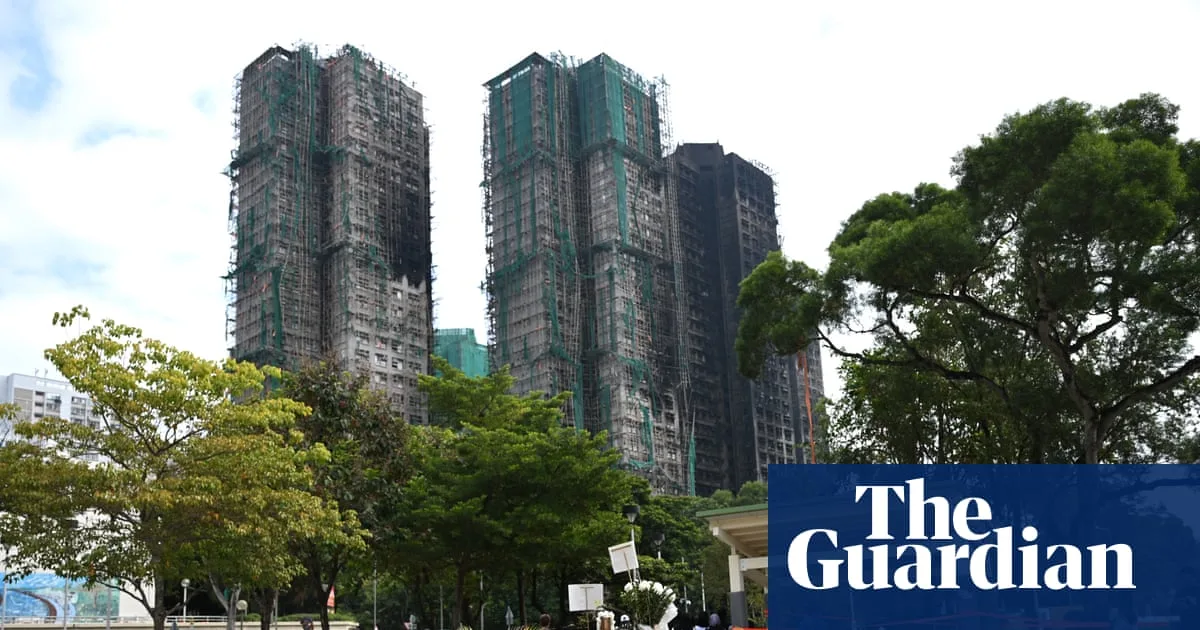
Public outrage is surging in Hong Kong following a catastrophic apartment fire that claimed at least 151 lives, with mounting accusations of systemic building safety failures and corruption overshadowing a city in mourning.

A Tragedy That Opened a Pandora's Box

The blaze, which erupted on Wednesday, 27 November 2025, at the Wang Fuk Court housing complex in Tai Po, rapidly engulfed seven of the estate's eight towers. Authorities confirmed that highly flammable foam panels used to seal windows during renovations, combined with strong winds, caused the fire to spread with terrifying speed. Initial claims that safety netting met fire codes were contradicted when later tests revealed seven out of twenty samples failed safety standards.

This disaster, Hong Kong's deadliest fire in decades, has triggered a wide-ranging probe. Police and the Independent Commission Against Corruption (ICAC) have arrested 14 people, including scaffolding subcontractors and company directors, on suspicion of manslaughter and gross negligence. Investigators found evidence that contractors, seeking to pad profits after a July typhoon, mixed cheaper, substandard netting with approved materials.

Systemic Failures and a 'Tip of the Iceberg'

Experts warn the Wang Fuk Court fire may reveal deeper, city-wide problems. "The question one should be asking is, what happened at Wang Fuk Court, can it happen elsewhere?" said Steve Tsang, director of the SOAS China Institute in London. The incident has exposed common issues in Hong Kong's construction industry, including bid-rigging, multi-layered subcontracting, and a lack of transparency, which increase risks of substandard work.

Residents had previously raised safety concerns with authorities about materials used in the renovations, according to documents seen by The Associated Press. Furthermore, some fire alarms failed to activate during the emergency. "You've got all of these issues which have been swept under the table," said John Burns, an honorary professor at the University of Hong Kong. "Because of all that we now know... about bid-rigging, collusion, corruption, no fire alarms, government negligence, all of these things have come out."

Political Repercussions and a Crackdown on Dissent

In response to public fury, Chief Executive John Lee announced an independent judge-led inquiry and promised reforms to the "whole building renovation system." However, he deflected questions about his own position. Adviser Ronny Tong shifted blame, stating lawbreakers had tried to deceive authorities, which was not an enforcement problem.

Meanwhile, Hong Kong's stringent national security apparatus moved swiftly. The Office for Safeguarding National Security warned against using the tragedy to "incite hatred," and the organiser of a petition calling for official accountability was arrested by national security police. The disaster also threatens to impact the 7 December Legislative Council election, with analysts noting turnout is closely watched as a barometer for the "patriots-only" governance system.

As a precaution, authorities have suspended work at 28 other renovation projects managed by the same construction company, with contractors urgently removing similar foam boards and netting across the city. For many, this action is too little, too late. As contractor-turned-activist Jason Poon starkly warned, "This is just the tip of an iceberg."