
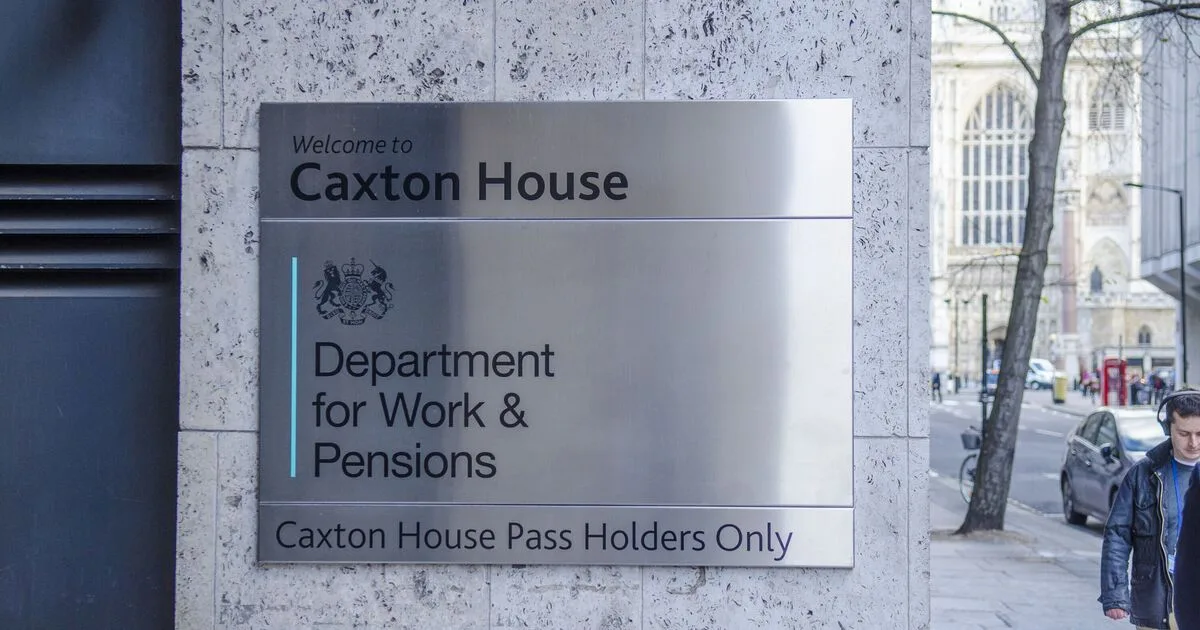
The Department for Work and Pensions (DWP) has quietly changed how claimants communicate about the Access to Work scheme, a move disability charities have called “worrying”. Under the new rules, claimants are advised to submit supporting documents by post rather than email, often at their own expense, and to use phone calls as the primary method of contact with caseworkers. The changes took effect on 7 January.
Access to Work provides grants of up to around £69,000 a year to cover practical support for disabled people in employment, including specialist equipment, support workers, transport, and mental health assistance. Employers may be asked to contribute towards costs above £10,000.
Disability charities have warned that the shift risks creating additional barriers for people already facing challenges accessing employment support. Abdi Mohamed, head of policy at Scope, said: “We are already hearing from disabled people about long delays and growing difficulties getting Access to Work support in place. Disabled people already deal with enough barriers getting into work. Access to Work should be removing those barriers, not piling on more confusing and inaccessible processes.”
Evan John, policy advisor at Sense, echoed those concerns, stating: “Access to Work exists to tackle the barriers to employment faced by disabled people. It’s therefore unacceptable that the application process itself is too often a barrier.”
A DWP spokesperson defended the change, saying: “We’ve updated our Access to Work customer communications so they align with standard departmental procedure.” They added that a range of contact methods, including phone, letter, SMS and email, can still be used “when appropriate or as a reasonable adjustment”.




