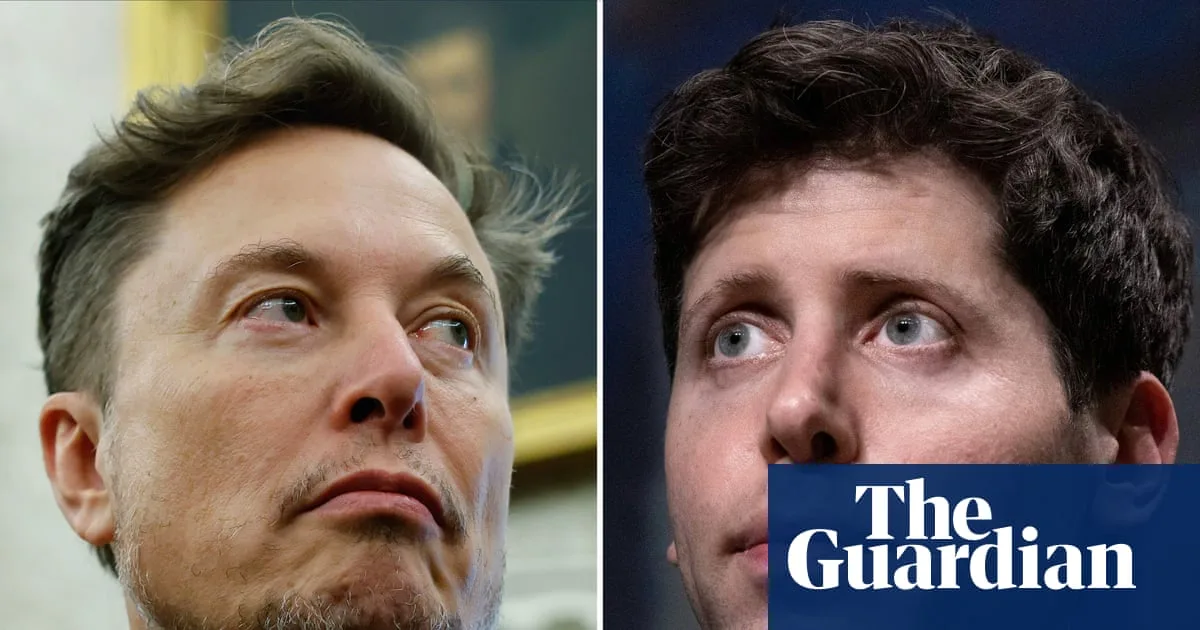
For the past two weeks, a courtroom in downtown Oakland has hosted a high-stakes legal battle between Elon Musk, the world's richest man, and OpenAI, one of the most valuable startups. The trial, centred on Musk's allegations of deceit and breach of contract, has drawn crowds of onlookers and turned into a spectacle of billionaire egos and judicial sternness.
Judge Yvonne Gonzalez Rogers, known for running a tight ship, has repeatedly chastised lawyers for leading witnesses and raising meritless objections. When Musk complained about a leading question, the judge told him to 'tell the jury you're not a lawyer'. Musk complied but quipped, 'I did take Law 101', prompting laughter from the public.
The case stems from Musk's claim that OpenAI founders Sam Altman and Greg Brockman deceived him by founding the company as a non-profit in 2015 and later converting it to a for-profit entity, enriching themselves. OpenAI has dismissed the lawsuit as a 'public attack' motivated by jealousy, with lawyer William Savitt stating that 'since [Musk] couldn't control OpenAI, he left it for dead'.

Outside the courtroom, spectators queue from before sunrise for one of 30 free seats. The media liaison noted, 'We're not used to these types of crowds.' Lawyers in perfectly ironed suits march past, while Musk and Altman enter through a private entrance. On the first day, Musk's belt set off the metal detector, requiring a second pass.
The trial has offered glimpses of the personalities of the ultra-wealthy under the egalitarian eye of the court. As the proceedings continue, the clash between altruism and greed, as Musk's complaint describes it, remains at the centre of this billionaire-on-billionaire melee.