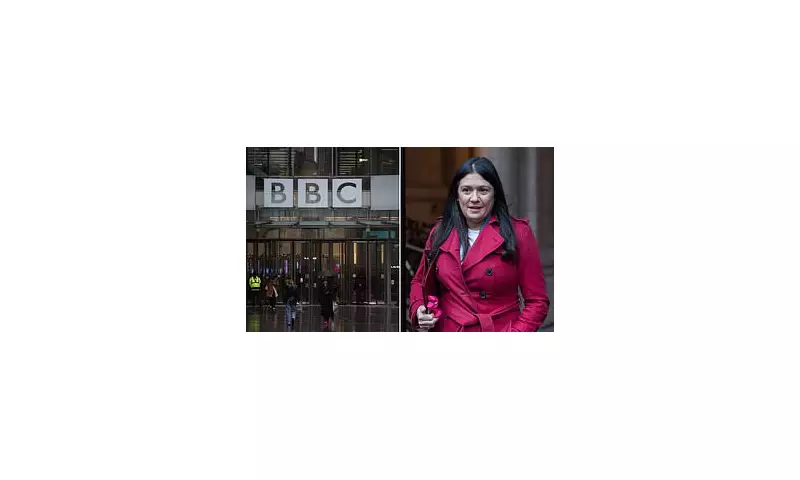
The BBC is confronting a fresh and potentially devastating crisis, as former US President Donald Trump follows through on a threat to file a $10 billion lawsuit against the corporation. This colossal sum is double the BBC's annual income from the television licence fee.
A Cascade of Scandals and a Costly Legal Threat
This latest legal action compounds what has been a torrid year for the national broadcaster. The Trump lawsuit centres on a Panorama edit which allegedly misleadingly spliced parts of a Trump speech, making it appear he was inciting violence. This followed a documentary on Gaza that was later revealed to have been narrated by the teenage son of a Hamas official.
Earlier in the year, the BBC faced internal scandal after MasterChef host Gregg Wallace was dismissed for inappropriate behaviour. While the corporation is no stranger to controversy, the scale and frequency of recent events have provided ample ammunition for its critics.

The most likely outcome of Trump's lawsuit, according to observers, is a humiliating out-of-court settlement. A precedent was set earlier this year when Trump accused media giant Paramount Global of deceptive editing in a Kamala Harris interview; the company settled for $16 million (£13.5 million).
The Real Existential Threat: The End of the Licence Fee?
However, many insiders believe the true existential threat to the BBC is not legal but financial. The government, via Culture Secretary Lisa Nandy, has fired the starting gun on negotiations for the broadcaster's future by publishing a green paper consultation. The central question is how long the licence fee can survive in the age of streaming giants like Netflix and YouTube.
The data is stark. Media regulator Ofcom reports that 16 to 24-year-olds spend just 5% of their viewing time with the BBC, compared to 34% on platforms like YouTube and TikTok. As the traditional audience shrinks, justifying a mandatory £174.50 annual fee becomes increasingly difficult.
Nandy's consultation outlines options to supplement BBC income, including introducing advertisements, tiered subscriptions, and means-testing the fee so higher earners pay more while students and benefit claimants pay nothing.
A Radical Prescription: A Full Subscription Future
Some analysts argue that tinkering with the current model is insufficient. They propose a bold, visionary shift: transforming the BBC into a fully subscription-funded service. Research suggests up to 70% of the UK population would pay voluntarily, potentially creating 17 million subscribers.
Financial modelling based on two pricing tiers—£150 for a standard annual subscription and £300 for a premium 'gold' package—indicates the BBC could generate £3.85 billion annually. This is £200 million more than the current licence fee yield and opens the door to global subscriber revenue.
Industry veteran Sir Peter Bazalgette, former ITV chairman, expressed intrigue but caution, noting the risk of a subscriber drop-off after an initial sign-up surge. He suggested that 'consolidation', such as a merger between the BBC and Channel 4, could strengthen the argument for a subscription model by creating a more robust content portfolio.
Such a merger could unite flagship shows like Bake Off, Strictly Come Dancing, and Celebrity Traitors with the BBC's renowned drama, documentaries, and news under one global-facing service.
The debate over the BBC's future is now formally open. While the licence fee is guaranteed until the current charter ends in 2027, the direction of travel is clear. The combined pressures of technological change, shifting demographics, and relentless political and commercial scrutiny have created a perfect storm. The institution that has defined British broadcasting for a century may need to undergo a radical, and painful, transformation to ensure its survival into the next.