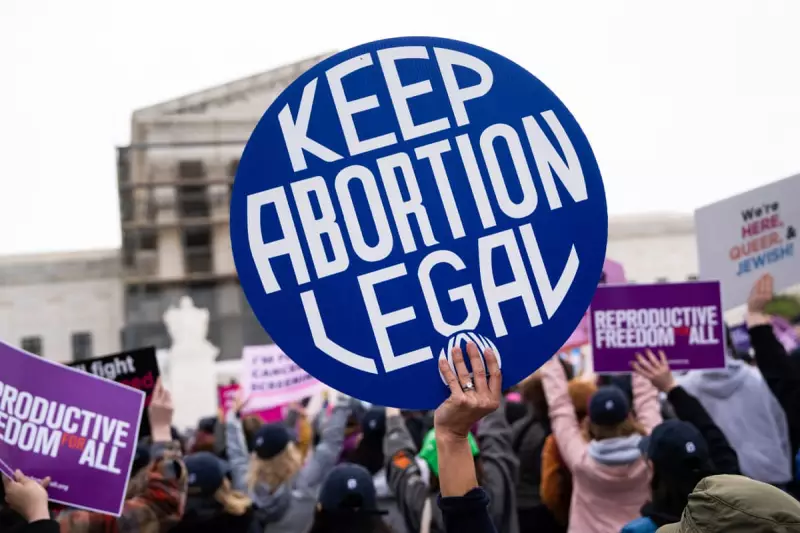
New polling data suggests the potent political force of abortion rights for the Democratic Party in the United States may be waning, presenting a significant strategic challenge ahead of the 2026 midterm elections. The issue, which was central to the party's campaign messaging following the landmark overturning of Roe v Wade, appears to be losing its urgency among the party's own voters as economic concerns take precedence.
Polling Reveals a Stark Shift in Voter Priorities
According to research from the Public Religion Research Institute (PRRI), the proportion of Democrats who said abortion was important to their vote plummeted from 55% in 2024 to just 36% in October 2025. In a striking contrast, the issue's importance for Republican voters remained largely unchanged over the same period. This decline mirrors a separate September poll from the 19th and SurveyMonkey, which indicated the voters most energised by abortion are now those seeking to ban it.
The shift marks a dramatic change from the 2024 electoral cycle. In the wake of the Supreme Court's decision to end the federal right to abortion, Democrats, including President Kamala Harris, placed the issue at the heart of their campaigns. Party candidates and allied groups invested a staggering $175 million in abortion-related television advertisements, betting it would be their most powerful motivator. Despite this, the strategy's impact was overstated; Donald Trump won the popular vote and Republicans secured control of both houses of Congress.

The Fading Issue in a Tumultuous Political Climate
Melissa Deckman, CEO of PRRI, attributes the change to an overwhelming political landscape. "It's just hard to catch your breath, because every day there's a new, outrageous thing happening with the administration," she said. For voters, affordability and the economy have now supplanted abortion as top concerns. For Democrats specifically, the overarching health of democracy is also a primary worry.
This trend is reflected in fundraising for abortion access organisations. The DC Abortion Fund, which provides financial assistance for the procedure, saw donations drop precipitously in 2025 as the initial wave of post-Roe rage donations evaporated and economic pressures affected regular donors. Executive Director Alisha Dingus warned of a looming crisis, stating the fund currently distributes about $3,800 weekly to dozens of people but fears resources will dry up. "What I see is going off the cliff in 2026," Dingus said.
State Battles Continue Amid National Apathy
Despite the national polling shift, abortion remains a galvanising issue at the state level, where supreme court elections and ballot measures continue to decide its legality. Advocates are currently gathering signatures to place abortion measures on the 2025 ballots in Idaho, Montana, Nebraska, Oregon, and Virginia. Nevada and Missouri have already confirmed abortion-related measures will be voted on.
However, the electoral power of these measures is no longer guaranteed for Democratic candidates. In 2024, voters in four states backed both abortion rights ballot initiatives and Donald Trump. Furthermore, some victories have proven hollow; Missouri's 2024 vote to protect abortion rights in its constitution has been mired in legal battles, blocking clinics from offering the procedure. Voters will now be asked in 2026 whether to repeal the measure they passed just two years prior.
This complex picture leaves abortion rights advocates concerned about a "messaging failure" among politicians. Dingus argues for more consistent political discourse on the issue, warning that access continues to be decimated even as national attention drifts away. With the 2026 midterms on the horizon, the Democratic Party faces the challenge of re-energising its base around an issue that once seemed an unquestionable rallying cry, but now competes in a crowded field of fundamental concerns.