
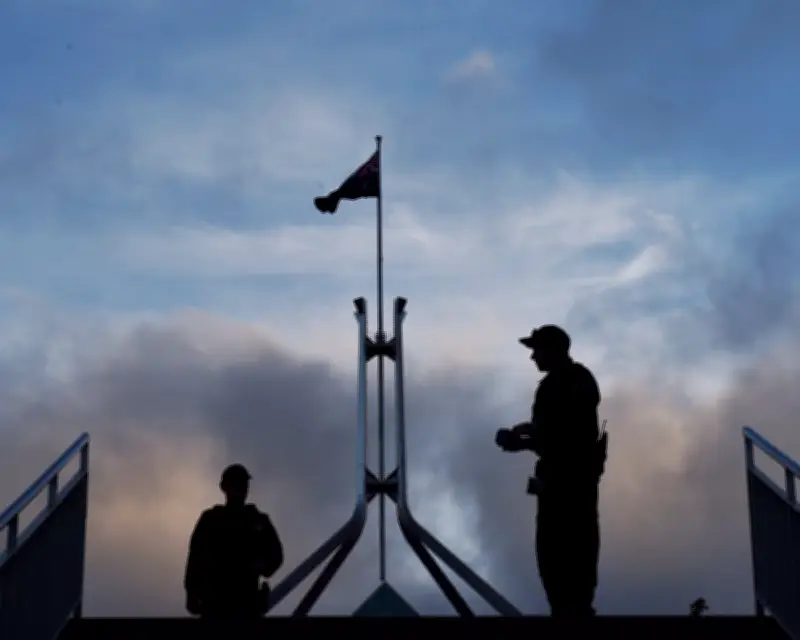
Australian MPs are confronting an escalating security crisis, with the Australian Federal Police (AFP) receiving 951 referrals or threats against parliamentarians in the 2024-25 financial year—a more than 60% increase in just four years. The dangerous environment has been described as the most severe in decades, prompting calls for a serious review of security settings.
Disturbing Incidents Across the Board
Ask almost any MP in Canberra, and they will have a list of disturbing personal security incidents. A quick survey in recent days revealed online and in-person threats, strangers showing up at homes and offices, intimidating voicemails, and unnerving encounters involving family members, staff, and volunteers. Many have reported incidents to police, including instances involving weapons. Some government ministers have closed electorate offices for long periods, and a few have moved out of their family homes.
Social Media's Role in Driving Toxicity
Social media is a key driver of the rising toxicity, according to incoming UK Prime Minister Andy Burnham, who plans a security review for MPs. Burnham, currently mayor of Greater Manchester, noted the "darkened" political landscape after a decade away from Westminster. He lamented the death of former Conservative MP Ann Widdecombe, killed at her home in south-west England last week. A 28-year-old man has been charged with terrorism offenses in that case. Two other British politicians—Labour's Jo Cox in 2016 and Conservative David Amess in 2021—have been killed in the past decade.
Australian Context and Government Response
ASIO Director-General Mike Burgess highlighted politically motivated violence as an "acute concern" in his annual threat assessment. Prime Minister Anthony Albanese acknowledged that heated political rhetoric can act as "lighter fluid" for more serious threats. He stated, "What I don’t want to do is to have a press conference in this courtyard after a tragedy," noting that multiple people were facing court or under investigation for threats against him. After the Bondi attack, far-right activists and neo-Nazis allegedly targeted Albanese, including threats to kidnap him. He also blamed pro-Palestinian activists for years of heated protests and vandalism at MPs' electorate offices.
Distancing Between Politicians and the Public
The price of higher security is further distancing between decision-makers and the electorate. The down-to-earth spirit of Australian politics has already been lost, and limiting interactions could isolate policymaking from everyday experiences. Home Affairs Minister Tony Burke has consulted on plans to boost protection for politicians and their families at home, in electorate offices, and at public events.
Contradictions and Ironies
One Nation leader Pauline Hanson complained about threats against her and her family while appearing on a podcast with far-right activist Tommy Robinson (real name Stephen Yaxley-Lennon), who has a lengthy criminal record including assault, mortgage fraud, and contempt of court. Robinson revels in stoking unrest, especially against multicultural communities. Liberal frontbencher Andrew Hastie revealed in June that he was set to receive extra security due to what he believes is a One Nation-fuelled campaign against him, partly driven by his stance on the Ben Roberts-Smith war crimes allegations.
Need for a Review
While Australian politics is not Britain's or America's, the deterioration in political debate and the roiling of emotions and prejudices on social media should not be ignored. Experience in the UK suggests a serious review of security settings in Australia might be timely, as Tom McIlroy, Guardian Australia's political editor, concludes.




