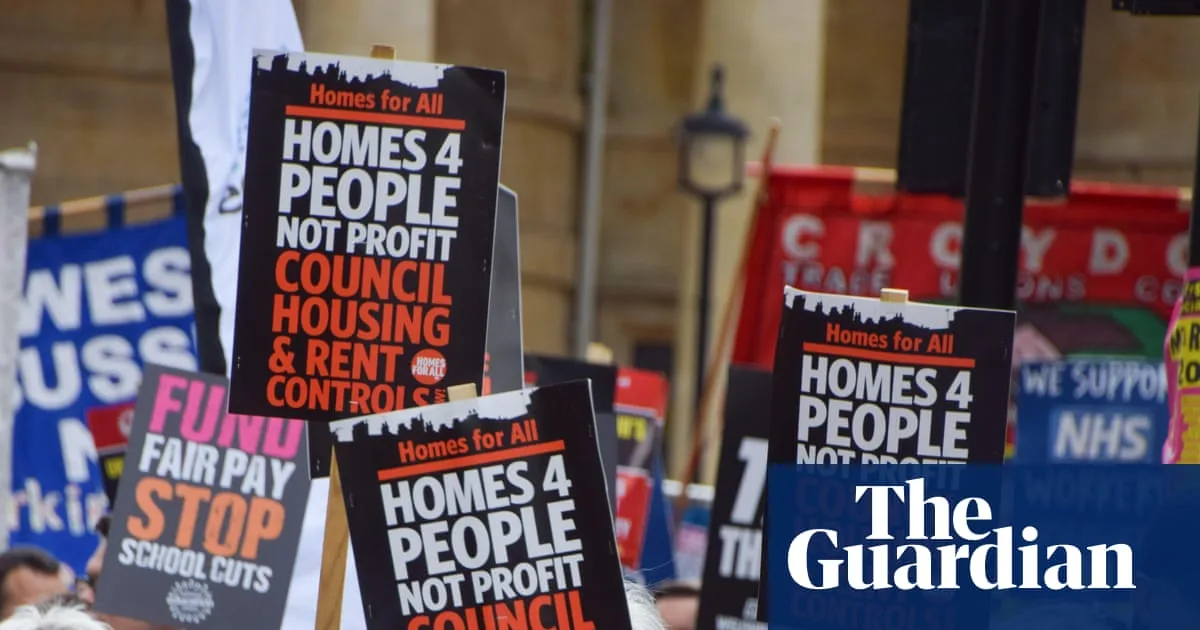
Chancellor Rachel Reeves is considering imposing a one-year rent freeze on private sector homes in England, as the government grows increasingly alarmed about the impact of the Iran conflict on household budgets. Sources say the measure is being debated as part of a major cost-of-living package expected in the coming weeks.
The proposed freeze would ban landlords from raising rents for a limited period, marking a significant reversal for Reeves, who previously resisted including rent controls in the government's renters' rights reforms, which come into force on Friday. However, with Labour braced for heavy losses at the local elections and economists predicting a surge in inflation, ministers are seeking immediate ways to ease financial pressures on voters.
George Bangham of the New Economics Foundation thinktank backed the idea, noting that other Western European countries already have rent controls and that England used them from 1915 to 1989. However, Robert Colvile of the Centre for Policy Studies warned that such intervention could discourage housing development, exacerbating affordability issues in the long term.
Discussions are at an early stage, but Reeves is said to favour an outright freeze lasting a year, with new-build properties likely exempted to encourage development. The government has pledged to build 1.5 million homes over this parliament, though current building rates are about a third below the required level.
The freeze is one of several policies being considered as ministers try to limit the impact of higher inflation triggered by the Iran war and the closure of the Strait of Hormuz. The International Monetary Fund has warned that the UK will suffer the sharpest growth downgrade and joint highest inflation in the G7 this year.
Prime Minister Keir Starmer has suggested people may need to change their travel plans or grocery shopping depending on how long the conflict lasts. Reeves is also considering a package of support for energy bills and faces pressure to cancel a planned fuel duty rise. Ministers hope bold cost-of-living measures could shore up Starmer's position after the local elections next month, where Labour is expected to suffer heavy losses.