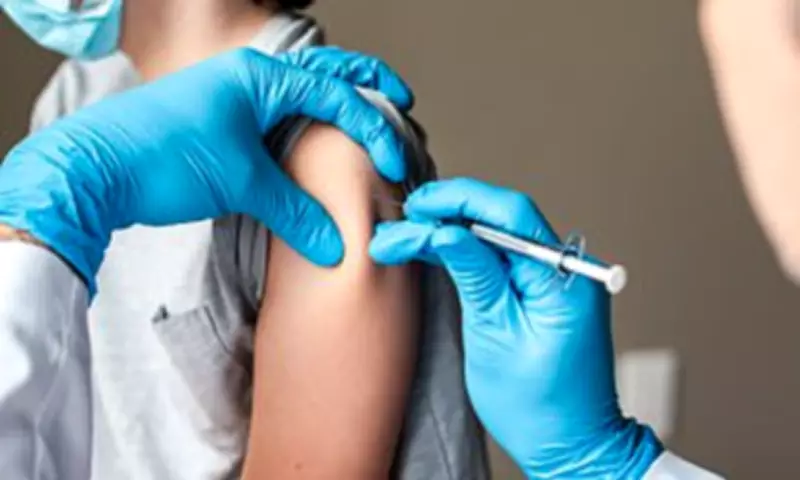
A major new study has found no link between childhood vaccines and lifelong health conditions, including autism. The research, conducted by the Public Health Agency of Canada (PHAC) and published in the British Medical Journal (BMJ), concluded that vaccines containing aluminium do not increase the risk of developing autism or other disorders.
Aluminium Adjuvants in Vaccines
Aluminium salts such as aluminium hydroxide and aluminium phosphate, known scientifically as aluminium adjuvants, are common ingredients in vaccines given to babies. They have been used for over 90 years because they boost the immune system and prolong the protective effects of vaccines. They also allow vaccines to be given in smaller and fewer doses. Vaccines enhanced with aluminium protect against diphtheria, tetanus, pertussis (whooping cough), hepatitis, HPV, and meningitis.
Anti-Vaxxer Claims Debunked
Some critics, dubbed anti-vaxxers, have claimed that aluminium in vaccines leads to autism, diabetes, and asthma. However, after analysing data from 59 studies, PHAC found no increased risk or association between aluminium-adjuvanted vaccines and these health outcomes. The study authors stated: 'Current evidence does not support causal associations between aluminium-adjuvanted vaccines and serious or long term health outcomes.' They added that these findings are consistent with broader safety evidence supporting continued use of these vaccines.

Vaccine Hesitancy on the Rise
The findings come amid rising vaccine hesitancy. In England, only 83.9% of children have received both doses of the MMR vaccine by age five, with uptake as low as 60% in some London areas. This is below the 95% threshold needed to prevent major outbreaks. The World Health Organisation has listed vaccine hesitancy as one of the top ten global health threats.
Historical Context and Misinformation
For decades, parents have feared a link between the MMR vaccine and autism, a claim that originated from disgraced British doctor Andrew Wakefield. His 1998 paper in The Lancet, which alleged a link, was later retracted due to falsified results and financial conflicts of interest. Wakefield was struck off the medical register. Vaccine scepticism has grown again, partly due to high-profile figures like US Health Secretary Robert F. Kennedy Jr., who in April 2025 vowed to investigate the rise in neurodivergence, including potential vaccine links. This prompted the US Centers for Disease Control and Prevention to update its autism guidance, stating that the claim 'Vaccines do not cause autism' is not evidence-based, a move widely condemned by experts.
Rising Autism Prevalence
Over the past 20 years, the number of people living with autism has surged by almost 800%, according to research in the Journal of Child Psychology and Psychiatry. It is now estimated that about one in every 100 people has the condition, equating to roughly 670,000 Britons and more than 3.3 million Americans.