US Landlords Seek $1.5 Billion in Pandemic Eviction Moratorium Settlement
Landlords Seek $1.5 Billion in Eviction Moratorium Settlement

A group of over 1,500 landlords across the United States is pursuing a settlement with the federal government, claiming billions of dollars in losses due to the nationwide eviction moratorium that was in effect for nearly a year during the COVID-19 pandemic. The plaintiffs argue that the moratorium, enacted by the Centers for Disease Control and Prevention (CDC), violated the Fifth Amendment by denying them compensation for the use of their property.

Background of the Moratorium

The federal eviction moratorium lasted from September 2020 through July 2021 and was one of the most controversial pandemic policies. It ended after the Supreme Court ruled that the CDC lacked the authority to impose such a ban without congressional approval. The moratorium prevented landlords from evicting tenants who failed to pay rent, leading to significant financial strain for property owners.

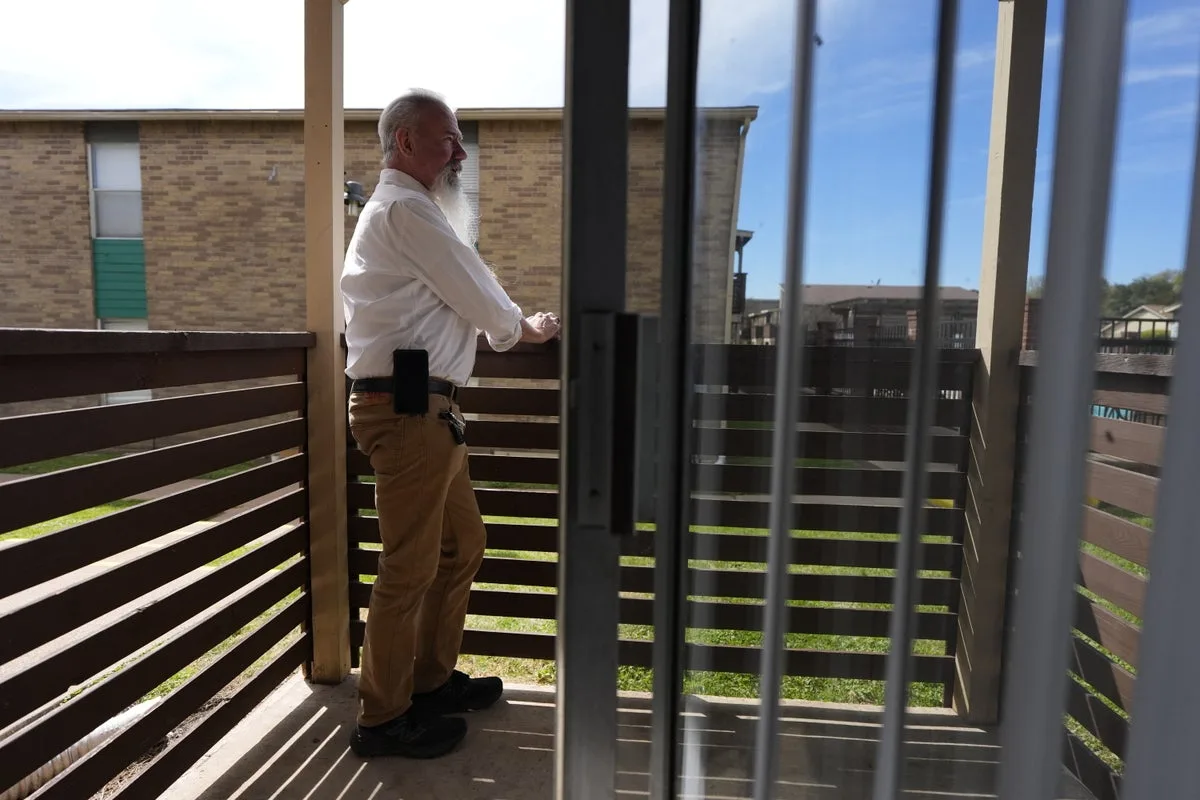
Matthew Haines, a 57-year-old landlord from Texas, reported losing over $1 million during the moratorium. He is among the plaintiffs in a federal lawsuit that initially lost in the Court of Federal Claims in 2022 but won on appeal. The case is now in settlement discussions with the Justice Department, with landlords hoping to recover up to $1.5 billion—a fraction of the estimated $57 billion in losses suffered by the industry.

Wide Pickt banner — collaborative shopping lists app for Telegram, phone mockup with grocery list

Impact on Landlords

Landlords say the moratorium devastated their businesses. Unable to collect rent, many were forced to take on debt, lay off staff, delay repairs, and in some cases, sell their properties. The effects linger, with longer eviction delays, tighter tenant screening, and a growing number of owners exiting the rental market entirely.

Liz Leone, who owns 52 apartments in Las Vegas and is part of the lawsuit, said she lost over $250,000 and borrowed $60,000 from the Small Business Administration to stay afloat. She is still paying off that loan. “I was definitely questioning whether I would survive,” she said.

Tenant Advocates' Perspective

Tenant advocates counter that eviction bans were a lifesaver, keeping millions of people housed during the pandemic and slowing the spread of the virus. They argue that landlords were already compensated through tens of billions of dollars in federal rental assistance. A study published in JAMA Network Open found that homelessness would have increased by 20% in 2022 without state eviction moratoriums.

Dulcee Barnes, a 28-year-old who lost her restaurant job in Miami during the pandemic, said the moratorium gave her and her roommates breathing room. “It took away the fear of having to possibly pack up within 24 hours and live in somebody's car or couch surfing,” she said.

Rental Assistance Challenges

Landlords argue that rental assistance programs were often mired in red tape and poorly run. States were slow to spend the money, and some, like Arkansas and Nebraska, did not accept all federal funding. They also complained that some tenants took advantage of the moratorium to live rent-free while making other purchases.

Lingering Effects

Despite the moratorium ending five years ago, its effects persist. Landlords are now more cautious, taking fewer risks with tenants who have checkered rental histories. Rick Jones, vice chairman of Management Services Corporation in Virginia, said the moratorium reinforced the importance of keeping units vacant rather than renting to high-risk tenants. “When you have somebody that’s bad and you can’t get them out, you’re helpless,” he said.

Haines noted that he has increased tenant screenings and now turns away some low-income applicants he might have accepted before the pandemic. “It’s done more harm,” he said, particularly to low-income individuals who might have been given a chance but are now considered too risky.

The Justice Department declined to comment on the ongoing litigation. The outcome of the settlement discussions could have significant implications for property owners and tenants alike, as the case highlights the tension between public health measures and property rights.

Pickt after-article banner — collaborative shopping lists app with family illustration