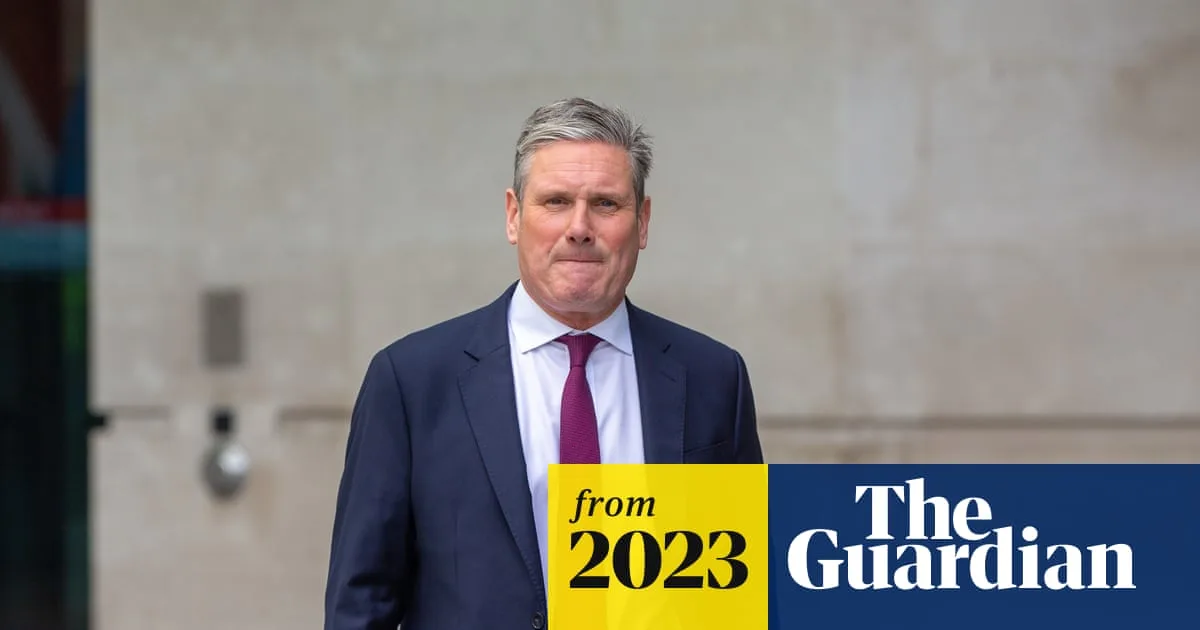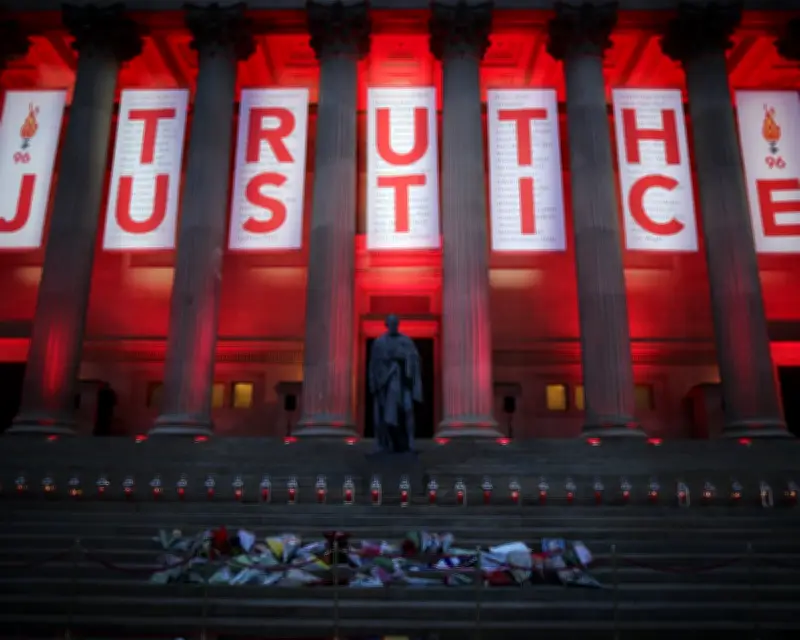
The Hillsborough law, which criminalises public bodies and officials that lie to the British public, is expected to complete its final stages in the Commons today, pushed through by Keir Starmer as one of his final acts as prime minister. The law also supports people fighting these authorities for the truth. After a decade of campaigning, the bill has faced bitter resistance, particularly over its application to the security services.
Background of the Hillsborough Law
In 2016, the second inquest into the Hillsborough deaths fully vindicated the families. A jury found that the 97 victims were unlawfully killed due to gross negligence manslaughter by match commander chief superintendent David Duckenfield, and that no behaviour by Liverpool supporters contributed to the disaster. The 97th victim, Andrew Devine, died in 2021 of injuries sustained in the crush. Duckenfield was later found not guilty of gross negligence manslaughter, one of several unsuccessful individual prosecutions.
According to David Conn, who has reported on Hillsborough for 30 years, "Immediately after, the families adopted the Hillsborough law as their positive legacy from the ordeal they had suffered. They wanted a duty of candour for public officials and authorities to be introduced and equality of funding for legal representation for people fighting for justice like them." At the first inquest, families received no public funding for legal representation, while senior police officers and other public bodies had state-funded legal teams.

The Struggle for Progress
The law was first proposed as a private member's bill by Andy Burnham in 2017 but languished during the Tory administration. When Labour was elected in 2024, the Hillsborough law was a defining manifesto commitment, and Starmer announced it at two party conferences and personally introduced it in the Commons. However, by last winter, progress was mired in a row about how the law would apply to the security services. The government pulled the bill midway through parliament, prompting fury from the families.
David Conn noted, "It was an extraordinary situation. This has always been a Labour cause. They promised to introduce the law: Margaret Aspinal, whose 18-year-old son James died at Hillsborough, made a speech at conference to introduce Starmer. And yet somehow they were arguing with the families and trying to carve out an exemption for the security services that had only recently been criticised in the Manchester Arena inquiry."
Resolution and Victory
With parliamentary business plans updated late last week to include the bill's remaining Commons stages today, it is understood that the final sticking point – that any decisions on excluding evidence on grounds of national security are for an inquiry chair to make – has been resolved to the families' satisfaction. "This has finally been agreed in Starmer's final week, it also clearly appears significant that Burnham, the Hillsborough families' long-term supporter, is about to become prime minister," Conn said.
The Hillsborough Law Now campaign is a genuine coalition, including families bereaved by the Manchester Arena atrocity, Grenfell fire, and Covid. Conn emphasised, "These families have always been underestimated. If you think about where they were after 1989: they suffered not just losing their loved ones in the most terrible circumstances but this disgraceful, toxic narrative from South Yorkshire police and a judicial system that failed to establish the truth for decades. And now they have succeeded so completely as to make it illegal for public officials to ever be less than candid about how a disaster occurred."
Andy Burnham's Role
Burnham's call for the disclosure of all related documents led to the establishment of the Hillsborough Independent Panel. Its 2012 report exposed police efforts to falsely blame Liverpool supporters and led to the quashing of the first inquest's verdict of accidental death. Conn noted that Burnham's commitment to those campaigning without redress for decades also led to his work on the infected blood scandal and support for an inquiry into policing at Orgreave during the miners' strike.

Conn described Burnham as someone who "brings a shovel when there's spade work to be done." In his book Head North, Burnham describes how the "trigger" for his public call for Hillsborough disclosure was reading a Guardian article at his kitchen table three days before the 2009 memorial service, in which Conn reported families' outrage that junior officers' statements had been amended by their superiors to remove criticisms of the police.