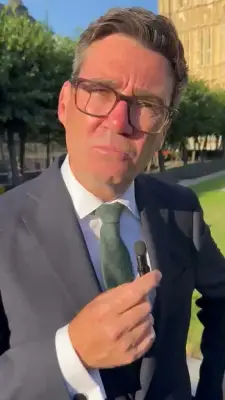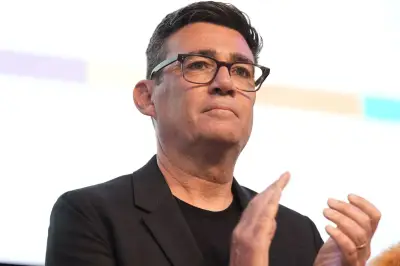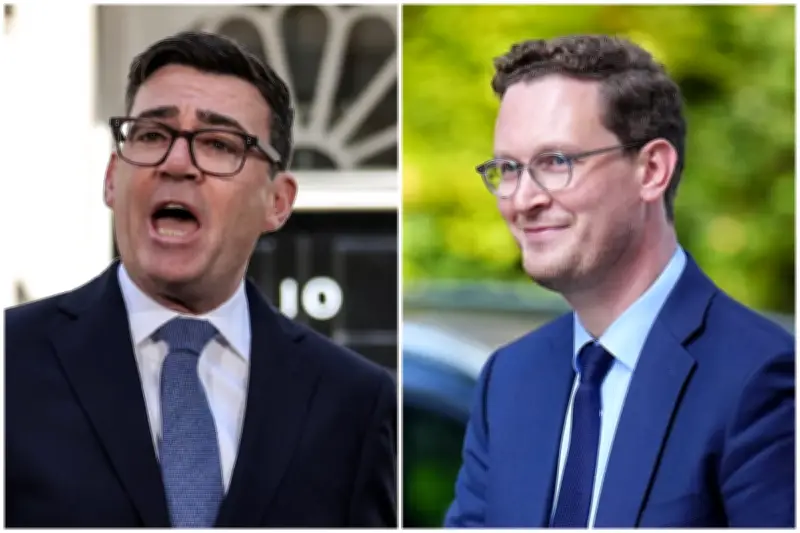
On his first full day as Prime Minister, Andy Burnham announced a VAT cut on household electricity bills from October, saving households an average of £45 a year. However, the move was immediately overshadowed by a blistering attack from Darren Jones, a key ally of Sir Keir Starmer, who questioned how the £850 million reduction would be funded.
Darren Jones Questions Funding
In a post on X, Jones, the former Chief Secretary to the Prime Minister, said: “Good news that VAT will be cut on electricity bills. It’s a simple way for families to save a few quid, and to mechanically help to keep inflation that little bit lower. But the DigitalID program was unfunded. The Government will have to set out how it will pay for its new policies at the Budget.”
The Government had claimed the cut would be funded by savings from scrapping digital ID plans. But Jones’s intervention exposed that no money had yet been allocated. Business Secretary Jonathan Reynolds argued the funding was available because the “pressure” of finding cash had shifted from digital ID to the VAT cut, citing £1.8 billion “scored” by the Office for Budget Responsibility.

Threefold Damage to Burnham’s Government
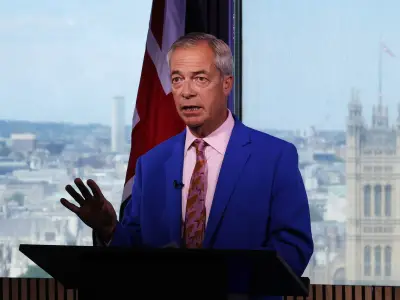
The attack is damaging on at least three fronts. First, it revives accusations that Labour cannot be trusted with public finances. Conservative leader Kemi Badenoch seized on the row, saying: “It’s only one day into Burnham’s Government and already the explanations are falling apart. You can’t use the funding from an unfunded programme to pay for cheaper bills.”
Second, it undermines Burnham’s call for more collegiate politics, as senior Labour MPs clash publicly. Third, it raises questions about whether Burnham has over-promised on his ambitious agenda, which includes the “biggest devolution of power in modern times” and the largest council homes building programme since World War II.
Context of the Attack
The row comes after Burnham purged Starmer allies from his team, leading to suggestions that Jones’s missile is an act of revenge. Despite the infighting, Burnham retains the support of most Labour MPs and the public’s hope for improved living standards. However, an unfunded announcement sparking internal party conflict echoes the old politics Burnham vowed to replace.