El Salvador's Surfing Haven Pioneers Groundbreaking Climate Insurance
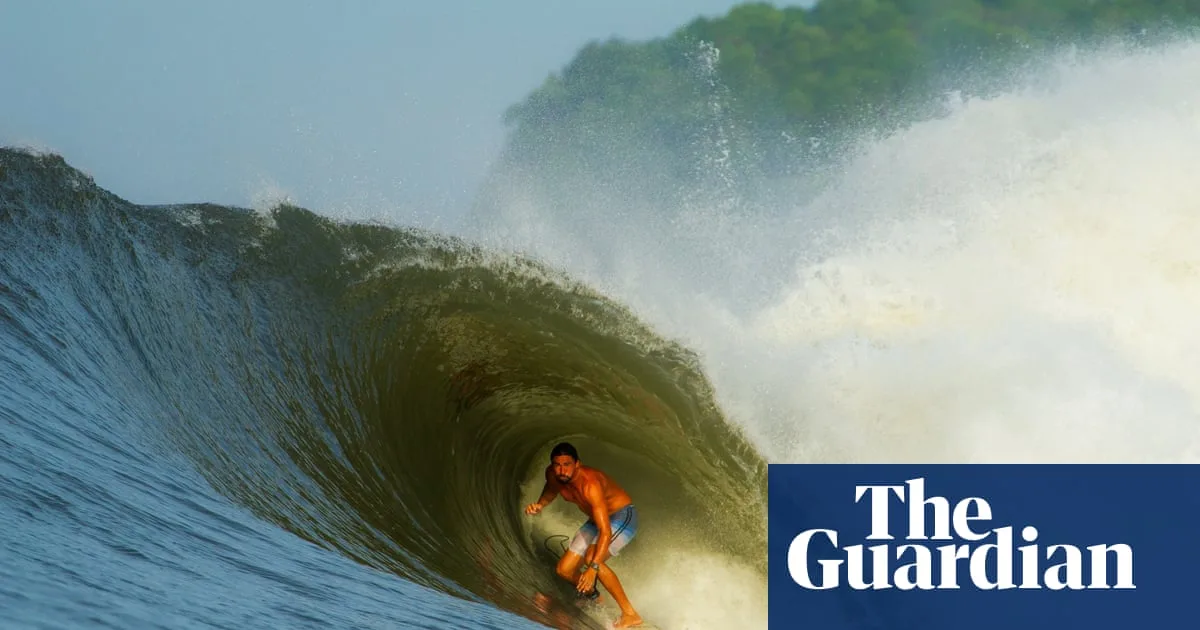
In the late 1990s, Rodrigo Barraza embarked on a quest for the ultimate surfer's dream: a pristine, uncrowded wave. He discovered it along El Salvador's eastern shores, a hidden gem where long, crisp right-hand breaks roll in, framed by vast expanses of tropical forest. This spot, now known as Oriente Salvaje or the "wild east," became the foundation of a thriving surf tourism industry.
Barraza's passion led him to open a small hotel in 2004 and co-found a tourism association dedicated to sustainable practices and protecting the region's biodiverse ecosystem, including rare dry tropical forests, rivers, and mangroves. Today, Oriente Salvaje spans 19 kilometres of coastline, attracting intrepid surfers to its world-class breaks, Las Flores and Punto Mango.
The Climate Threat to Surfing Idyll
However, this surfer's paradise faces an escalating threat from climate change. Intense tropical storms are becoming more frequent, causing flooding that churns up the perfect waves, blocks transport routes, and deters visitors. Without surfers, the local economy—a network of hotels, restaurants, surf shops, fishers, and drone experts—grinds to a halt.
"Surf tourism is the backbone of our local economy," Barraza explains. "Yet this dependence makes us highly vulnerable to climate-related disruptions." In response, Barraza teamed up with Save the Waves, an international surfing nonprofit, in 2023 to take out a pioneering insurance policy for Oriente Salvaje.
Parametric Insurance: A Rapid Response Model
This policy is not traditional insurance but a parametric type, designed to support recovery from climate impacts. Unlike conventional models that require lengthy claim assessments, parametric payouts are triggered immediately when specific conditions, such as a predetermined rainfall level, are met. This rapid support is increasingly attractive to property-owners, fishers, and farmers vulnerable to climate breakdown.
Nik Strong-Cvetich, CEO of Save the Waves, notes that the organisation was founded by surfers witnessing the destruction of beloved breaks worldwide. "Parametric insurance became a weird obsession," he says, as they sought ways to protect surf economies from extreme weather.
Developing the Insurance Model
Save the Waves collaborated with insurance brokers Willis Towers Watson (WTW) and the local community to develop a bespoke financial model. After analysing 40 years of rainfall data and ten years of surfer visitation records, they identified rainfall as the most robust trigger for payouts. "Every time there was a very big storm, there was a clear dip in surfer visitation," explains Diego Sancho Gallegos, director of conservation programmes at Save the Waves.
A survey of 50 local businesses revealed that 70% of their income depends on surf tourism, with informal operators like surf photographers and guides particularly vulnerable. The payout will be distributed to hundreds or thousands of beneficiaries once extreme weather conditions cause observable income loss.
Challenges and Future Prospects
The initiative faces hurdles, including a lack of insurance culture in El Salvador and funding premiums without burdening local businesses. Save the Waves is in talks with the Salvadorian government, which has invested millions in surf tourism, hoping the insurance cost will be "a drop in the bucket."
Swenja Surminski, an expert at the London School of Economics, warns that parametric solutions must be combined with broader resilience strategies, such as disaster planning and ecosystem restoration. Barraza agrees, noting that storms also cause landslides, property damage, and poor water quality.
Despite challenges, the community remains optimistic. "Everybody's positive. There's nothing but good things to hear from this," Barraza says. The pilot aims to launch by June, aligning with the rainy surf season, and may include future payouts for ecosystem restoration, like rebuilding mangroves to protect surf quality.
This pioneering effort highlights how surfing can be a hook for wider environmental protection, offering a model for other communities facing climate extremes.