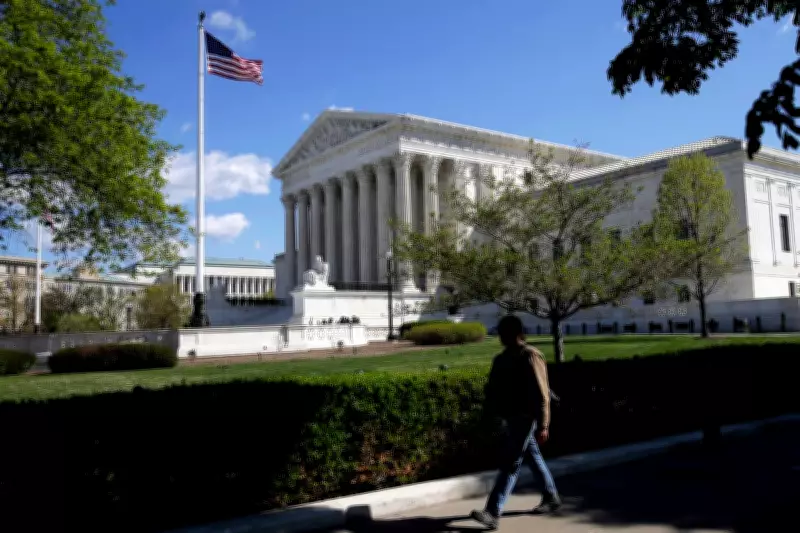
Supreme Court Delivers Victory to Oil and Gas Firms in Louisiana Environmental Litigation
The United States Supreme Court has handed a significant procedural win to oil and gas corporations embroiled in legal battles over coastal land loss and environmental degradation in Louisiana. In a unanimous 8-0 decision delivered on Friday, the court ruled that these companies deserve a fresh hearing in federal court, overturning previous state-level judgments.
Background of the Legal Dispute
This ruling stems from multiple lawsuits filed in 2013, alleging that energy giants including Chevron and Exxon violated state environmental regulations for decades. One notable case involved a state jury ordering Chevron to pay more than $740 million to remediate damage to Louisiana's coastline. The companies, backed by the Trump administration, argued that the cases should be heard in federal court because their oil production and refining activities began during World War II as U.S. contractors.
Key arguments from the oil companies include:

- Denying responsibility for land loss in Louisiana.
- Contending it is unjust to sue them for actions taken before state environmental regulations were established.
Environmental Impact and Coastal Erosion
According to the U.S. Geological Survey, Louisiana's coastal parishes have lost over 2,000 square miles (5,180 square kilometers) of land in the past century, with oil and gas infrastructure identified as a major contributing factor. The state's coastal protection agency warns that an additional 3,000 square miles (7,770 square kilometers) could be lost in the coming decades.
Specific allegations in the lawsuits include claims that Texaco, acquired by Chevron in 2001, violated Louisiana regulations by failing to restore wetlands damaged by dredging canals, drilling wells, and dumping billions of gallons of wastewater into marshes.
Political and Legal Maneuvering
Republican Governor Jeff Landry, a longtime supporter of the oil and gas industry, backed these lawsuits during his tenure as attorney general. However, attorneys for local Louisiana leaders have criticised the Supreme Court appeal as a stalling tactic designed to delay accountability.
The companies appealed to the Supreme Court after the U.S. Court of Appeals for the Fifth Circuit ruled in 2024 that the suits should remain in state court. Justice Samuel Alito recused himself from the case due to financial ties to ConocoPhillips, a practice he has followed in other cases involving his stock holdings.
Implications of the Ruling
This decision represents a pivotal moment in environmental litigation, potentially setting a precedent for how similar cases are handled across the United States. By granting the oil and gas companies a new day in federal court, the Supreme Court has introduced uncertainty into the legal strategies of coastal communities seeking compensation for environmental harm.
The outcome of these federal proceedings will be closely watched, as it could influence future regulations and corporate accountability in the energy sector, particularly in regions vulnerable to climate change and industrial activity.