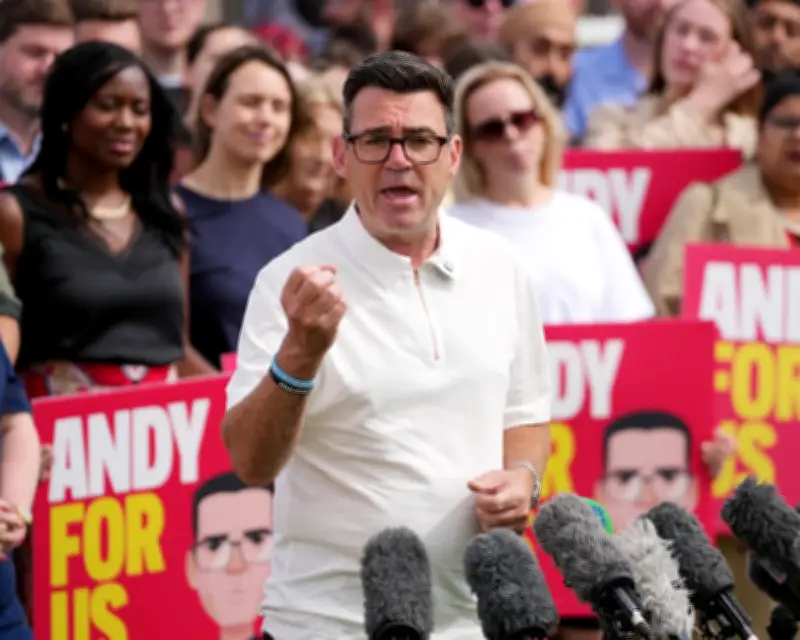
Andy Burnham's comprehensive victory in the Makerfield byelection on 19 June 2026, surpassing expectations, was a precious moment for the progressive side of British politics. He demolished Nigel Farage's Reform party, which had spent £5m on the campaign, in a part of Greater Manchester where Reform had won every council seat just a month earlier. Liberal Democrat, Green, and even Conservative voters lent Burnham their votes because they understood that keeping out Reform mattered most.
The Lesson from Keir Starmer's Premiership
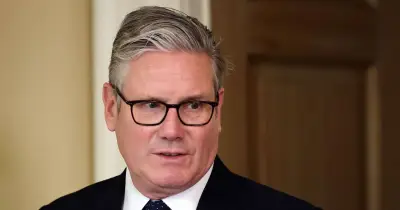
As Keir Starmer drafts his resignation speech, expected to be delivered on Monday, his political tragedy is that he leaves a strong legacy of much good done, from universal nursery places to falling NHS waiting lists. However, his government struggled from its early days to inspire affection. His speech in the Downing Street garden spoke about a 'painful' budget to come as Rachel Reeves announced a £22bn black hole in the Treasury, setting a glum tone.
The first 100 days saw much good accomplished: rail nationalised, bills introduced to improve renters' and workers' rights, bus services freed up to local control, free school breakfast clubs rolled out, good public-sector pay deals, and restrictions on onshore windfarms ended. But much of this was visible only to political obsessives. What caught the public eye was the unexpected cut in pensioners' winter fuel allowance and making farmers pay inheritance tax, which sparked tractor protests in Whitehall. Starmer always lacked a sense of political theatre, and reports of free suits, glasses, and gig tickets offered damaging imagery.

Burnham's Policy Beacons for Immediate Impact
The vital lesson for Andy Burnham is that good first impressions are everything. He should look to the Blair/Brown first 100 days in 1997 for inspiration: a windfall levy on privatised utilities, VAT cuts, stamp duty raised on expensive properties, the first minimum wage, and child benefit raised. Every early gesture will brand his future.
Burnham's portfolio of promises includes several beacons to illuminate his way. He should start with first steps on easing the cost of living by freezing rents for a year for the roughly 20% of the country who are private-sector tenants. Other reported ideas include capping bus fares at £2, cutting energy bills by shifting green levies onto general taxation, and cutting business rates for pubs and small shops. Equalising tax rates for income tax and capital gains, as Wes Streeting advocates, would more than cover these costs, along with blocking the private equity tax loophole that Starmer promised but didn't fully deliver. Burnham also plans to repossess failing water companies, starting with Thames Water, and declare his long-term intent to take back control of the National Grid.
Cost-Free Radicalism and Constitutional Reform
Radicalism can also be cost-free. Burnham promises a breath of fresh air in parliament by relaxing the government whip, freeing MPs to speak their mind more often. This would reduce the number of excruciating ministers sent out to read official 'lines to take'. He also plans to clean up politics by imposing a strict cap on all political donations, taking dirty money out of Westminster.
Burnham is expected to send up flares signalling the start of promised constitutional reform. He will begin the complex devolution route to 'Manchesterise' local mayors, giving them powers to tax and spend, and oversight of schools and health. A longtime backer of fairer elections, Burnham should appoint his promised national commission on proportional representation now, securing tactical voting support from all progressive parties eager to see it happen.
Choosing a Chancellor and the Path Forward
Choosing his chancellor will be Burnham's most perilously emblematic first act. The hostile press, alongside Unite's Sharon Graham, are trying to poison Ed Miliband's chances, though he is the more serious economist and experienced at dealing with Treasury obstructionism. The exchequer could end up being Wes Streeting's consolation for not standing, but that could create a narrative of Blair-Brown-esque friction. Keeping Rachel Reeves would steady the markets, according to her team.

As for the process of selecting the next PM, a long, politically damaging leadership contest seems unnecessary when the result was written in Makerfield. Meanwhile, let Starmer go with good grace. His political tragedy is that he leaves a strong legacy of much good done. As for the future, as the only popular leading politician, Burnham may buck the current terrible trend: each of the last four prime ministers has been the most unpopular ever in their time. Keep chanting the mantra – hope and change.