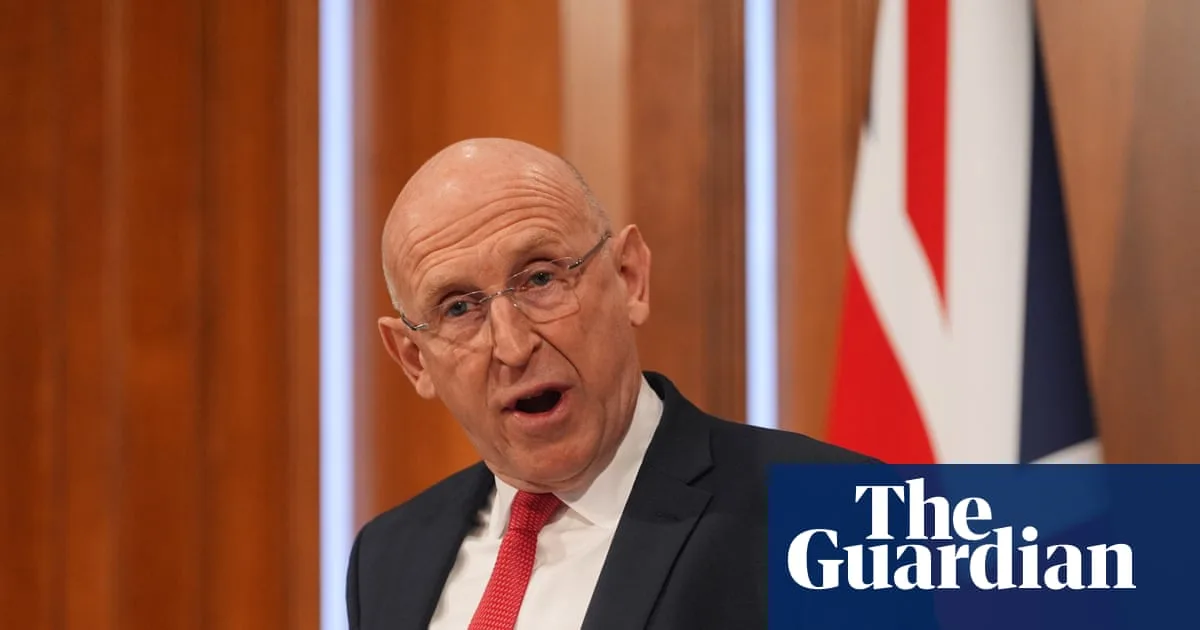
After smashing Reform in the Makerfield by-election and cementing his return to Westminster, all eyes are on Andy Burnham's next move. The former Greater Manchester mayor, now MP for the second time, has made his intention to run for Labour leader clear in recent weeks as support for current Prime Minister Sir Keir Starmer dwindles.
By-Election Victory
Mr Burnham is now the MP for the Greater Manchester constituency of Makerfield after crushing Reform UK rival Robert Kenyon. The spot in the House of Commons opened up after former member Josh Simons stood down from his post to make way for Mr Burnham.
Now Mr Burnham is back as an MP, in a move that will trigger a contest to elect a new mayor for Greater Manchester in the coming weeks. The politician is widely expected to launch a challenge to Sir Keir's leadership. He has been critical of the current prime minister during his by-election campaign, insisting that there needs to be “fundamental change” in Westminster.

Leadership Challenge Rules
If Mr Burnham can find the support of 81 other MPs, he can trigger a contest to replace the PM. Other candidates wishing to put their name forward will also need to be nominated by their fellow MPs. The current rules were last changed in 2021, when the threshold for the minimum number of nominations was raised from 10 per cent of standing MPs to 20 per cent.
Although the current prime minister is automatically entitled to appear on the ballot paper to defend his position, after a tumultuous run Sir Keir may decide to step aside and let a new leader be voted in. The new Labour leader would automatically become the prime minister too, without the need for a general election.
While Sir Keir has vowed not to step down as prime minister despite repeated calls to do so, if he does decide to resign that would also automatically trigger a Labour leadership contest, opening up the doors for Labour MPs to seek nominations.
Other Potential Candidates
Mr Burnham is not the only MP who may choose to challenge Sir Keir's leadership. Former health secretary Wes Streeting and ex-armed forces minister Al Carns have also signalled they would run in any contest to replace Sir Keir. Any Labour MP with the 81 nominations needed could be the one to trigger a contest.
How Nominations Work
If Mr Burnham wants to launch a leadership bid he must submit his nominations in written form to the general secretary of the party, a position currently held by Hollie Ridley. This move will formally trigger the leadership contest. A challenger needs the support of at least 20 per cent of the combined ranks of Labour MPs. As there are 402 Labour MPs in the Commons, the total number of nominations needed is 81.
What If Only One Candidate Gets the Required Nominations?
If only one candidate gets the required nominations then their fate will depend on what Sir Keir decides to do. If the current prime minister decides not to have his name on the ballot then the uncontested candidate will automatically win the leadership and become prime minister. If Sir Keir does not stand down and chooses to go ahead with the contest, then it will be between him and the nominated candidate and the vote would take place as normal.
Voting Process
Leadership contests work in different ways depending on the party. Only Labour Party members and affiliated trade union supporters are allowed to vote in a Labour leadership contest. The party uses a one-person-one-vote system, meaning that the same person cannot vote both as a trade union member and as a Labour Party member.
Eligible voters then cast their votes using a preferential voting system. Each voter ranks the candidates in order of preference by marking their ballot 1, 2, 3 and so on. The winner is the first candidate to secure over 50 per cent of the vote. If a candidate does not win on the first round, then the candidate in last place is removed, and the votes are redistributed and counted again. Several rounds can take place until a candidate wins the 50 per cent needed.

When Would a New Leader Take Over?
There is no official timetable for a Labour leadership contest. It is up to the National Executive Committee (NEC) to lay out the timings, which they will do once a contest has been triggered. Usually, contests take a couple of months from start to finish, with the ballot open for several days or weeks.