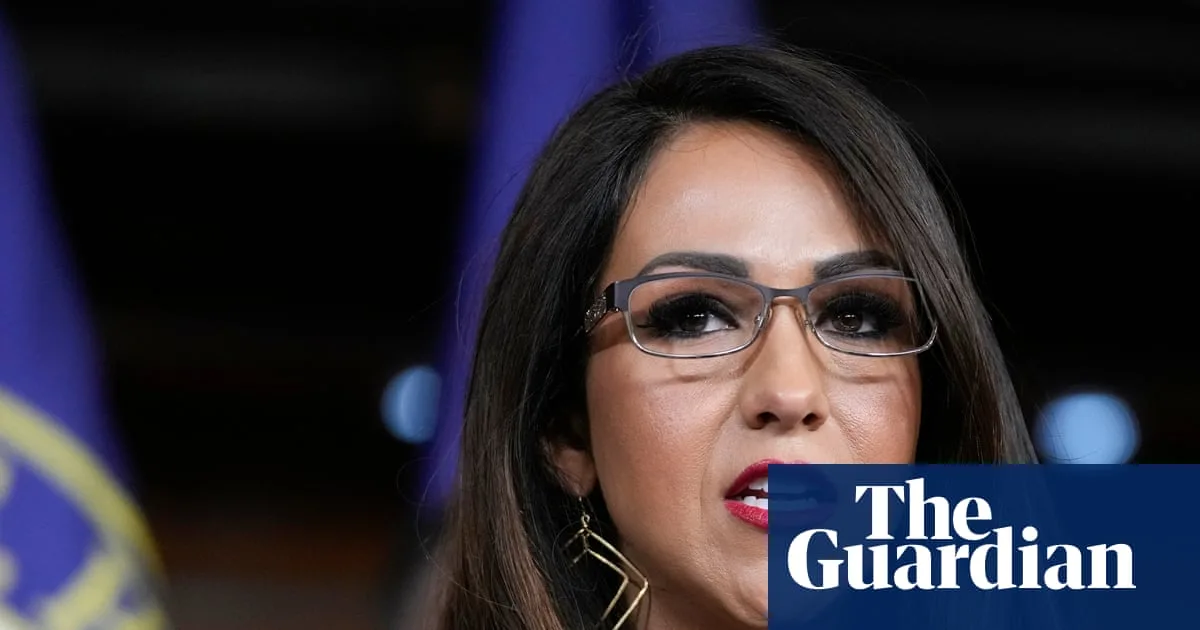
Republican Representative Lauren Boebert has criticised President Donald Trump for vetoing a bill that would have funded a drinking water project in her Colorado district, suggesting the move may be political retaliation. The bill, which aimed to bring safe drinking water to 39 communities in Colorado's eastern plains, passed unanimously in both the House and Senate earlier this year.
Trump vetoed the legislation on Tuesday, citing fiscal concerns and opposition to taxpayer-funded projects. In his veto letter, he stated that his administration is 'committed to preventing American taxpayers from funding expensive and unreliable policies' and that 'restoring fiscal sanity is vital to economic growth'.
Boebert, a longtime Trump ally, expressed concern that the veto could be linked to her recent push for the release of government files on convicted sex offender Jeffrey Epstein. 'I sincerely hope this veto has nothing to do with political retaliation for calling out corruption and demanding accountability,' she said in a statement to local news station 9News.

The veto also follows Trump's vow to retaliate against Colorado for keeping his ally Tina Peters in prison. Peters, a former county clerk, is serving a nine-year sentence for tampering with voting machines in the 2020 election. As her charges are under state law, a presidential pardon does not apply.
Trump also vetoed a second bill on Tuesday, which would have funded a project in Florida's Everglades National Park for the Miccosukee Tribe. The tribe has opposed Trump's makeshift immigrant detention centre in the area, which a federal judge has ordered to be shut down.
Boebert questioned the administration's priorities, stating: 'Nothing says “America First” like denying clean drinking water to 50,000 people in south-east Colorado, many of whom enthusiastically voted for him.' It remains unclear whether Congress will attempt to override the veto.