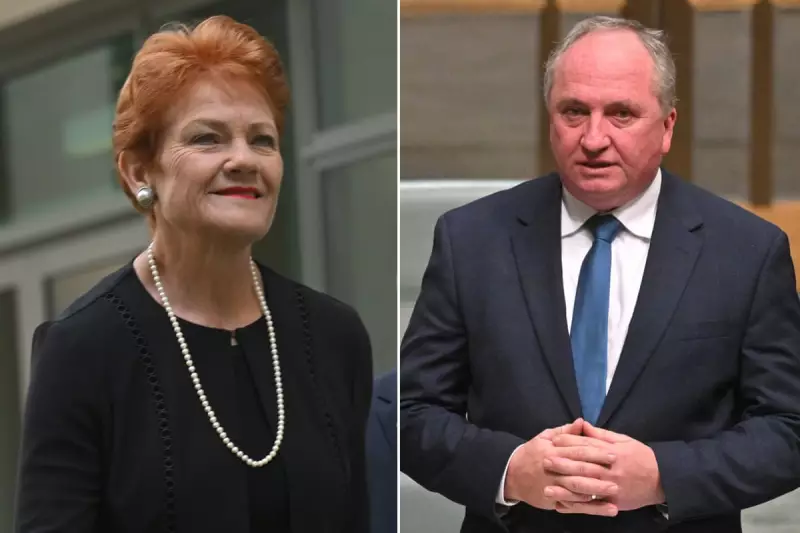
In a political development that could send shockwaves through Canberra, former deputy prime minister Barnaby Joyce is reportedly considering a dramatic defection to Pauline Hanson's One Nation party.
Sources close to both politicians confirm that high-level discussions have taken place about Joyce potentially crossing the floor to join the controversial right-wing party. The talks have apparently reached such an advanced stage that specific roles and responsibilities within One Nation are being negotiated.
A Political Bombshell
The potential move represents one of the most significant political defections in recent Australian history. Joyce, who served as deputy prime minister and leader of the National Party, would bring considerable political weight and parliamentary experience to Hanson's outfit.
Political insiders suggest the discussions have been ongoing for several weeks, with both parties carefully weighing the implications of such a move. The defection would fundamentally alter the dynamics of conservative politics in Australia.
What's Driving the Move?
Several factors appear to be motivating Joyce's consideration of this radical shift:
- Policy alignment: Growing convergence on issues like immigration and climate policy
- Political frustration: Perceived constraints within the traditional coalition structure
- Electoral strategy: Potential to tap into disaffected conservative voters
- Personal influence: Opportunity to shape One Nation's direction from within
Potential Fallout
The ramifications of such a defection would be profound. The National Party would lose one of its most recognisable figures, while One Nation would gain its most prominent parliamentary recruit since its formation.
Coalition dynamics would face unprecedented strain, and the conservative vote could fragment further in key regional electorates. The move would also test the loyalty of Joyce's constituents in New England, who have elected him as a National Party representative since 2013.
As speculation mounts, both Joyce and Hanson's offices have remained tight-lipped, refusing to confirm or deny the ongoing negotiations. Political commentators across Australia are bracing for what could be a watershed moment in the nation's political history.