
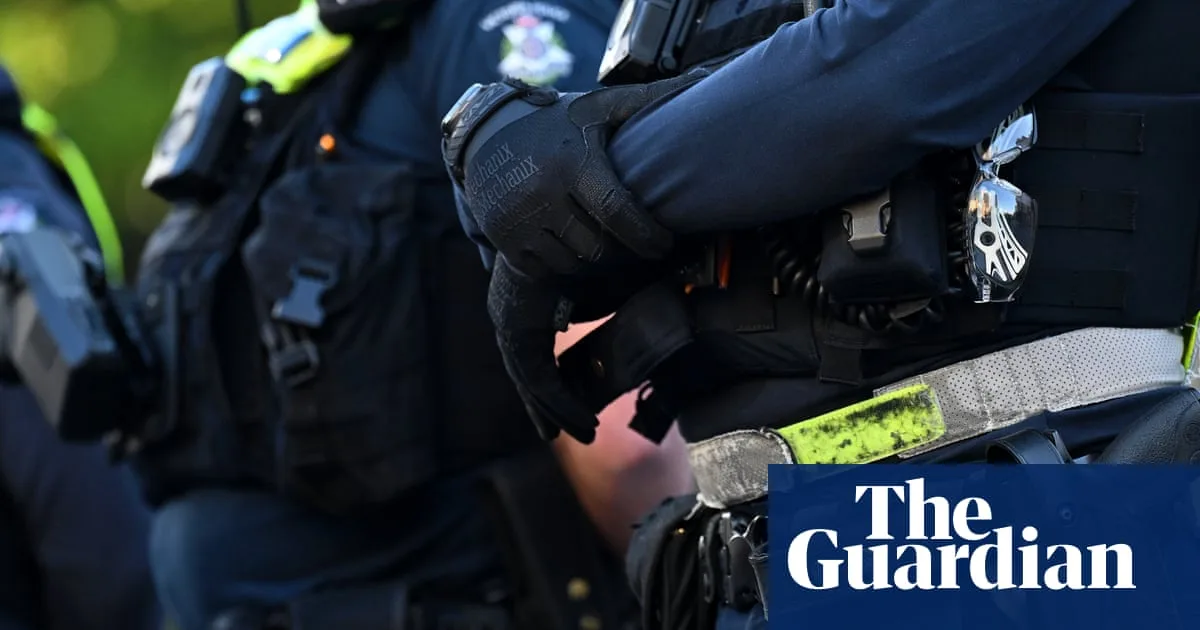
The Victorian government has introduced a bill that would grant police the power to search children and people with intellectual disabilities without a parent or independent adult present in designated areas. The justice legislation amendment (police and other matters) bill, expected to be debated in the upper house, is part of a broader crackdown on protests.
Currently, if a child or intellectually impaired person triggers a metal detector wand in a designated area, police must take them to a station for a more comprehensive search if no parent or independent person is available. Under the proposed changes, an outer body search could be conducted on the spot if police reasonably believe urgent circumstances exist, such as preventing evidence destruction or ensuring safety.
Human rights lawyers have expressed grave concern. Monique Hurley, associate legal director at the Human Rights Law Centre, said the proposal was 'incredibly concerning' and demonstrated 'a dangerous disregard for human rights'. Nerita Waight, chief executive of the Victorian Aboriginal Legal Service, warned that removing the independent person 'may reduce the process for police, but the result will be traumatising for children'.
The bill also includes measures targeting protesters, such as banning attachment devices and fining those who refuse to remove masks. Additionally, police could apply for warrants to search homes or vehicles up to 72 hours before a protest if they suspect the use of devices like ropes and chains. Critics argue this amounts to an overreach of police powers.
The Greens have confirmed they will vote against the bill, meaning the government must rely on the Coalition or crossbenchers for support. Greens justice spokesperson Katherine Copsey described the legislation as 'shameful', stating that Labor is 'handing over more discretionary powers for police to search children'.




