
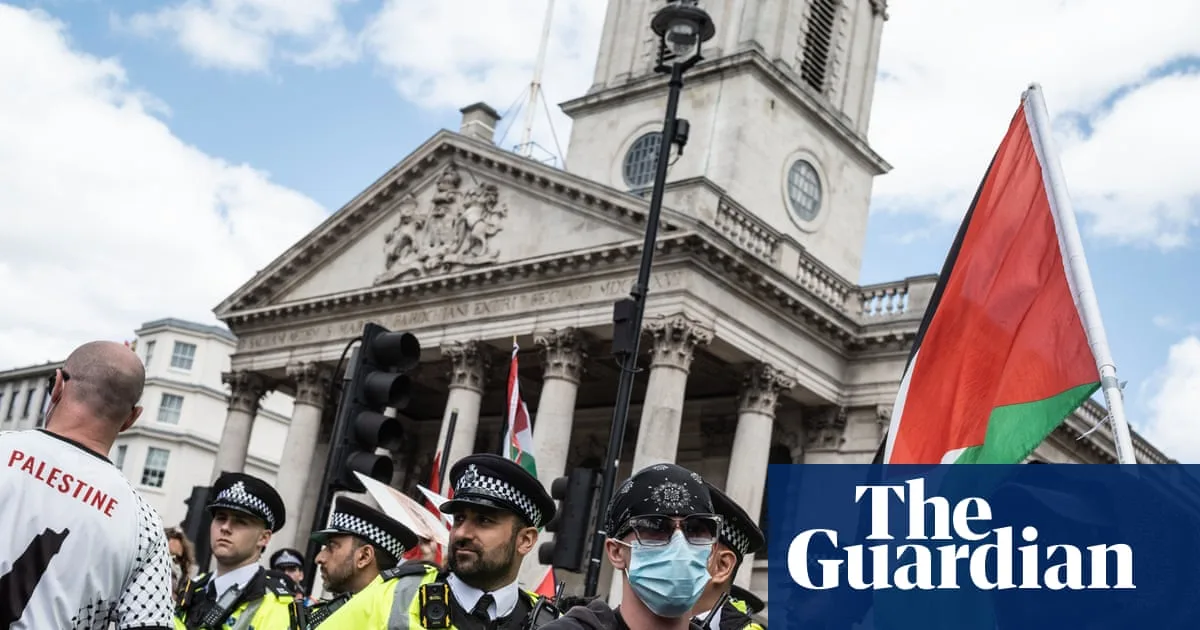
The Home Secretary Yvette Cooper has announced plans to proscribe Palestine Action under the Terrorism Act, marking the first time a direct action protest group would be banned alongside organisations like Islamic State and al-Qaida. The proposed ban follows a series of protests targeting Israeli-linked weapons factories in the UK, culminating in a security breach at RAF Brize Norton where activists sprayed military planes with red paint.
Cooper stated the ban was based on evidence that Palestine Action has committed serious criminal damage to advance its political cause. However, critics warn of a 'chilling effect' on other protest groups. Areeba Hamid of Greenpeace UK called it a 'dark turn for democracy', noting existing laws already allow prosecution of individuals committing crimes.
The final trigger for the ban appears to be the Brize Norton incident, though Cooper acknowledged it might not meet the legal definition of terrorism. Notably, Prime Minister Keir Starmer successfully defended protesters who broke into an RAF base in 2003 to prevent the Iraq war, arguing their actions were lawful to prevent war crimes.
Palestine Action contends that pro-Israel groups lobbied for the ban. Freedom of information documents reveal meetings between the government and Israeli embassy officials, as well as Israeli arms firm Elbit Systems. The campaign group We Believe in Israel, formerly led by Labour MP Luke Akehurst, published a report alleging intelligence links between Palestine Action and Hamas-aligned networks, though no terror charges resulted.
Liberty director Akiko Hart warned that the ban could set a precedent, criminalising even sharing a post or wearing a logo in support of Palestine Action. With the government already facing criticism over its stance on Gaza, the move risks appearing to target the group's cause rather than its methods.




