The High Court has been presented with details of what has been described as an "extremely troubling" raid conducted by the UK government on the office of a lawyer representing a Guantanamo Bay suspect. Security officers, acting under the direction of MI6, seized documents from the office of barrister Rachel Toney, who is defending Abu Faraj al-Libi, a suspect detained at the controversial US facility.
Unlawful Seizure and Access to Devices
During the operation, officers opened secure safes and accessed Toney's personal laptop, despite her explicit refusal to grant permission. The barrister for al-Libi argued in court that this seizure was unlawful and appeared designed to gain an unfair advantage in an ongoing legal case. This case alleges UK complicity in CIA torture programmes involving detainees at Guantanamo Bay.
Potential 'Chilling Effect' on Legal Representation
Concerns have been raised that this incident could have a significant "chilling effect" on special advocates. These are lawyers who represent individuals in secret national security proceedings, where sensitive information is often involved. The fear is that such aggressive actions by the state could deter legal professionals from taking on similar cases, undermining the right to a fair defence.

Government Apology and Admission of Mistakes
In response to the court proceedings, the government's legal department has issued an apology for the trespass. Officials acknowledged mistakes in the "timing, manner, and circumstances" of the document seizure. They have assured the court that such an operation will not be repeated, though the details of any disciplinary actions or policy changes remain unclear.
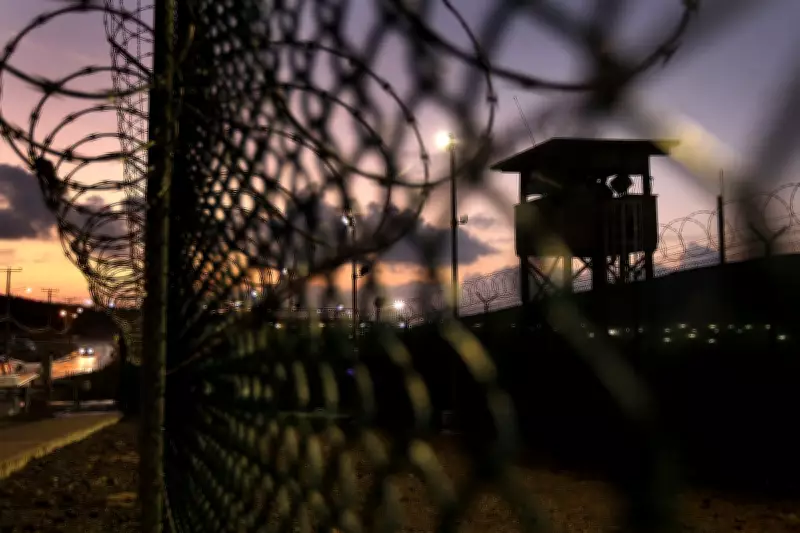
The White House has separately defended what critics call the "inhumane" treatment of migrants at Guantanamo Bay, adding another layer of international scrutiny to the facility's operations. This raid highlights ongoing tensions between national security imperatives and legal protections, particularly in cases involving allegations of torture and state secrecy.