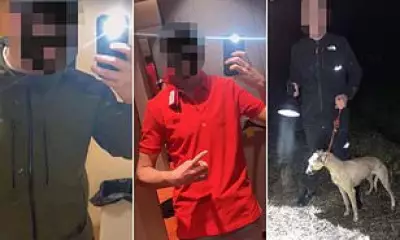
In a landmark and highly controversial move, the US Department of Justice has brought unprecedented terrorism charges against a group of protesters in Texas, labelling them a "North Texas antifa cell." The case, stemming from a 4th July demonstration at an Immigration and Customs Enforcement (ICE) detention centre, has ignited fierce debate over civil liberties and the potential criminalisation of left-wing activism.
The Night of the Protest and Escalating Charges
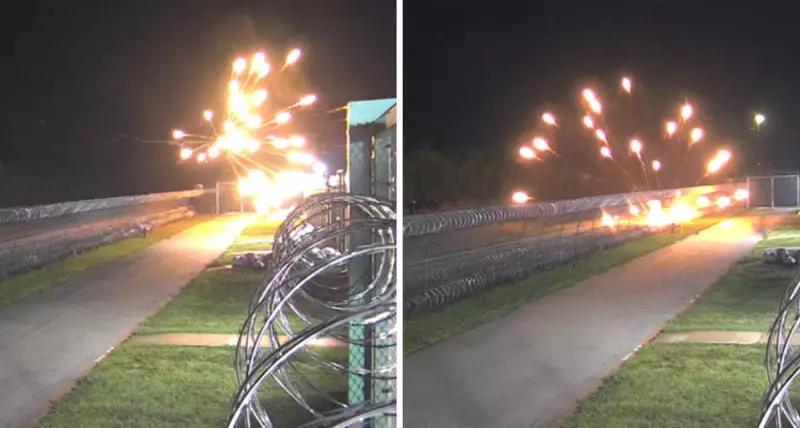
The incident unfolded at the Prairieland Detention Center in Alvarado, Texas. According to court documents, a group of demonstrators gathered for what they described as a "noise demonstration," setting off fireworks in solidarity with detained immigrants. The situation escalated when property was damaged, and an Alvarado police officer was shot in the neck but later recovered. Federal prosecutors allege activist Benjamin Song fired an AR-15 rifle at officers.
Initially, several individuals faced charges including attempted murder of a federal officer. However, after the assassination of commentator Charlie Kirk in September, the case took a dramatic turn. In October, the Justice Department unveiled a new indictment, charging 18 people and introducing terrorism allegations for the first time against individuals associated with "antifa" ideology. Fifteen now face charges of providing material support for terrorism, alongside other federal and state counts.

Constructing a 'Criminal Enterprise'
Legal experts and defence teams argue the prosecution is constructing a criminal enterprise where none existed. Prosecutors have pointed to elements such as the protesters' use of the encrypted app Signal, their all-black clothing, seized left-wing "zines," and general discussions about firearms as evidence of a coordinated terror cell. US Attorney for the Northern District of Texas, Nancy Larson, stated the charges address "the vicious attack perpetrated by an anti-ICE, anti-law enforcement, anti-government, anarchist group."
However, family members and lawyers for the accused vehemently dispute this characterisation. Amber Lowrey, sister of defendant Savanna Batten, told The Guardian, "I promise you there is no antifa cell." She described her sister as non-violent and animal-loving, noting Batten had baked a cherry cobbler to eat after the protest—hardly the act of someone on a "suicide mission."
A Chilling Precedent for Activism?
The case's broader implications are causing significant alarm among civil liberties advocates. Six defendants have already pleaded guilty to providing material support to terrorists, a charge experts note does not legally require a proven link to a formal terrorist organisation under the statute.
"This precedent could result in people facing terrorism charges for doing very simple mainstream activism," warned Xavier de Janon of the National Lawyers Guild. Professor Francesca Laguardia, who studies terrorism prosecutions, expressed concern that the administration is "abandoning first amendment principles" by using the statute more aggressively against political opponents.
Defence arguments highlight different interpretations of the evidence. Lawyers say Signal is widely used for privacy, all-black clothing is common protest attire for safety, and guns were allegedly for defence against potential right-wing counter-protesters. Lydia Koza, whose wife Autumn Hill is a defendant, stated, "My understanding is that they were going to go and try to make some noise... I am supremely confident no violence was planned."
As the case proceeds, it stands as a potent symbol of the Trump administration's stated crackdown on left-wing groups following Charlie Kirk's death. The outcome may set a critical legal precedent for how protest, dissent, and domestic terrorism are defined in the United States, with ramifications that could extend far beyond the Texas border.