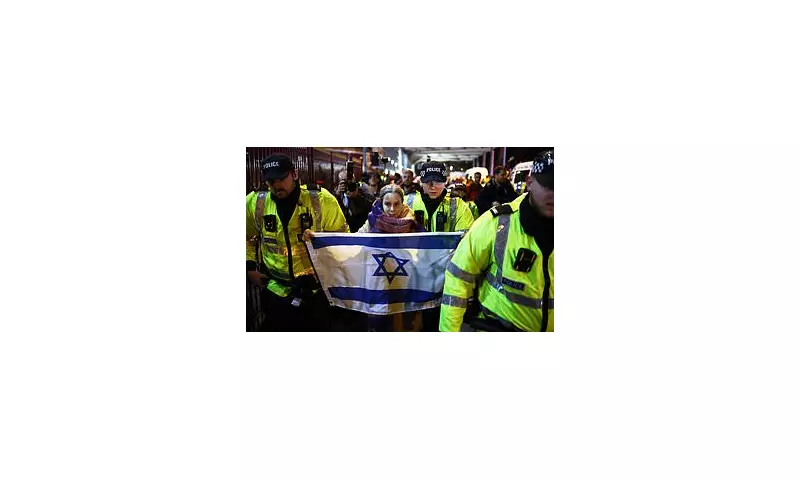
The Israeli embassy in London has launched a formal complaint against West Midlands Police, accusing the force of anti-Semitism over its decision to ban Maccabi Tel Aviv fans from attending a match at Aston Villa's Villa Park ground.
Diplomatic Condemnation and 'False Intelligence'
In a strongly-worded letter to Home Secretary Shabana Mahmood, the embassy's charge d'affaires, Daniela Grudsky Ekstein, condemned the police's actions. The ban was imposed in October after the force concluded that allowing the Israeli club's supporters to attend was a 'high risk' due to heightened tensions surrounding the conflict in Gaza.
However, the Israeli embassy claims this decision was based on 'inaccurate' and 'profoundly misleading' information. This accusation gained significant weight when Dutch officials subsequently alleged that 'false intelligence' was used to justify the ban. The embassy's letter argues that the police unfairly targeted Jewish and Israeli individuals while failing to adequately address potential threats from other groups.

A Decision Under Scrutiny
The controversy is set to be challenged in a Home Affairs Select Committee on Monday, where force leaders will be questioned by MPs. The political fallout has reached the highest levels of government.
Prime Minister Keir Starmer told the Jewish Chronicle he found the situation 'troubling', especially in light of the Dutch claims. He stated, 'I'm very concerned and troubled by what we're seeing in terms of the intelligence reporting. I think we need to get to the bottom of that.'
Policing Minister Sarah Jones informed the Commons that His Majesty's Inspectorate of Constabulary has been commissioned to examine whether police advice properly balances public safety with its impact on wider community relations.
Police Defence and Ongoing Fallout
Despite the mounting criticism, West Midlands Police has defended its conduct. A force spokesperson told the Telegraph, 'We continue to remain satisfied in the veracity of our information and intelligence which put public safety at the heart of our decision-making.'
The embassy's letter, however, poses critical questions about the sources of the intelligence, asking how the evidence came to be 'so drastically contrary to reality'. It also questioned what action the Home Office took to reverse the decision, which ultimately led to an empty away section during the match on November 6 amidst protests outside the stadium.