The Trump administration's sanctions against leading Palestinian human rights organisation Al-Haq have created what its director describes as a devastating chilling effect, isolating the group from international partners and crippling its operations.
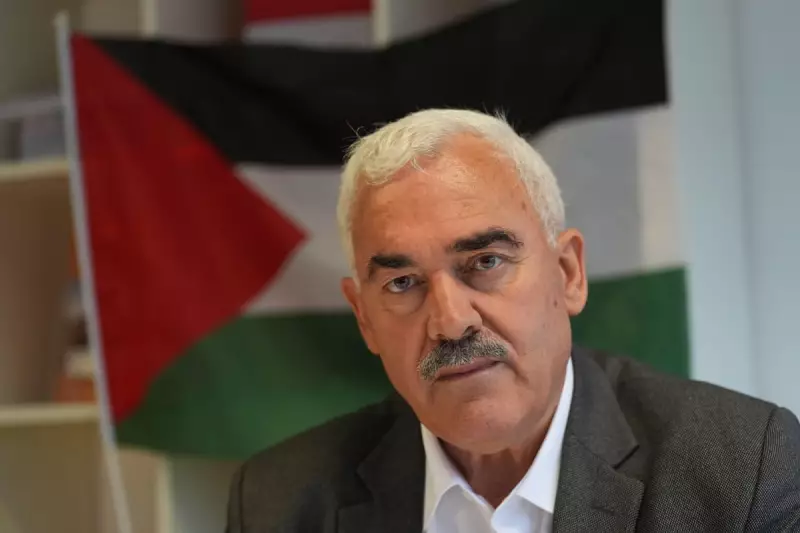
Speaking from the Christian Aid offices in Dublin, Ireland on 13 May 2024, Al-Haq general director Shawan Jabarin revealed the profound consequences of the September sanctions that have left staff working without pay and severed vital international connections.
Financial Strangulation and Isolation
Since the sanctions were announced, Al-Haq's world has dramatically shrunk. The West Bank-based organisation has seen three banks close their accounts, leaving its approximately 45 staff members working without salaries since October. The group can no longer receive donations or pay employees, forcing American staff to resign while others continue working unpaid.

Perhaps more painfully, Jabarin described the silence from former US-based collaborators as causing "a deep, deep pain in my heart". Human rights and social justice organisations that had long worked with Al-Haq have distanced themselves, fearful that communications might draw the administration's attention.
"Most of them – if not all – they stopped working with us or engaging with us formally and openly," Jabarin told the Guardian.
Broader Campaign Against Civil Society
The sanctions against Al-Haq represent an early strike in what appears to be a broader campaign against civil society, disproportionately targeting groups championing Palestinian rights while threatening climate, democracy and racial justice organisations.
The Trump administration imposed sanctions over Al-Haq's support for the International Criminal Court's investigation of Israeli crimes in Palestine. US Secretary of State Marco Rubio stated the sanctions aimed to "punish entities that are complicit in its overreach".
Yet the crackdown extends beyond ICC connections. Last month, the administration instructed US attorneys to investigate George Soros's Open Society Foundations over unfounded allegations, suggesting charges as severe as material support for terrorism.
Palestinian advocacy groups face particular scrutiny, with the Trump administration detaining foreign nationals for pro-Palestinian speech and sanctioning UN officials.
Steep Price for Continued Advocacy
Despite the pressure, Al-Haq continues its documentation of human rights violations, though at significant cost. Beyond financial strangulation, technology platforms including YouTube, Meta and Mailchimp have restricted or pulled services. YouTube removed hundreds of the group's videos documenting Israeli forces' human rights abuses.
US-based organisations now fear that even coordinated advocacy with sanctioned groups could expose them to civil and criminal enforcement, ranging from loss of tax benefits to jail time. Some non-profits have become so risk-averse they avoid public criticism of the sanctions altogether.
Leena Barakat of the Block and Build Funder Coalition described the position of US-based supporters as "devastating", noting the challenge of determining "the best and the most strategic fight" against the sanctions.
Al-Haq has documented Israel's human rights abuses for half a century and played a key role in supporting the ICC's investigation. In 2021, Israel designated Al-Haq and five other Palestinian rights groups as terrorist organisations, though reporting revealed Israel had no concrete evidence and the CIA couldn't corroborate the claims.
Jabarin dismissed the US sanctions as a "political attack" and pledged that Al-Haq would continue its work. "They want to silence any voice calling for accountability," he said. "We will continue doing our work, we will continue fighting for justice."
While understanding the constraints on US colleagues, Jabarin expressed frustration at their reluctance to more openly defy Trump beyond issuing statements. He framed the situation as a fundamental global struggle, stating: "The US administration, they are supporting the rule of the jungle, not the rule of law."

For Jabarin, Palestine represents the ultimate test for global civil society and all people of conscience in the battle between authoritarian pressure and human rights principles.