

Lyft Reaches Landmark Settlement Over Service Animal Rights Nationwide
The ride-sharing giant Lyft has entered into a significant settlement that will safeguard the rights of blind and disabled passengers to travel with service animals across the entire United States. This agreement, announced in Minnesota on Wednesday, March 11, 2026, stems from a case initiated by a college student and her guide dog, Alfred.
How a Guide Dog Named Alfred Sparked Change
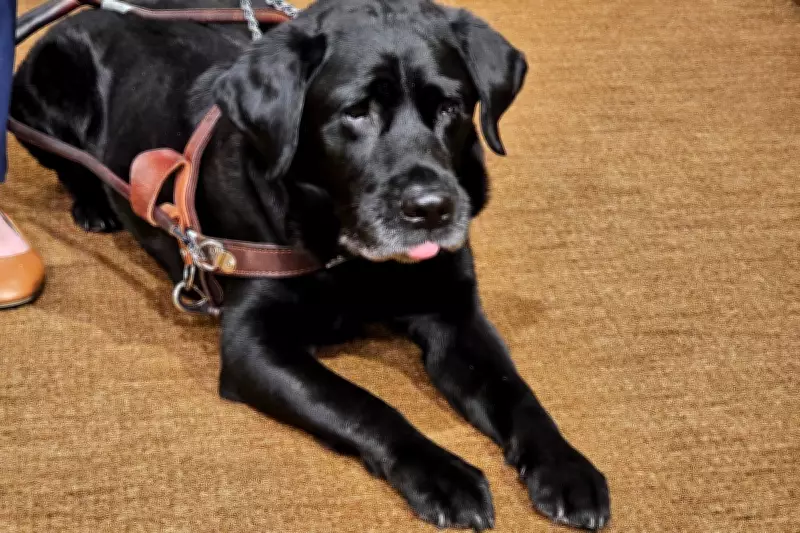
College student Tori Andres turned to the Minnesota Department of Human Rights after multiple Lyft drivers refused to allow her service dog, Alfred, to accompany her on rides. The agency's investigation concluded that Lyft was violating the state's Human Rights Act. This led to negotiations resulting in a settlement with nationwide implications, not just limited to Minnesota.
"This case is a deeply personal thing to me because I travel pretty much everywhere with my guide dog," Andres stated at a news conference, with her black Labrador resting calmly nearby. "He is my eyes. He is my freedom, and he is why I am able to live independently."

Key Terms of the Lyft Settlement Agreement
Under the terms, Lyft must train its drivers on disability rights and warn them that violating the law could lead to "deactivation" from the platform. Drivers are prohibited from canceling or refusing rides due to a passenger having a service animal, wheelchair, or low or no vision, as explained by State Human Rights Commissioner Rebecca Lucero.
The state will monitor Lyft's compliance for three years, and Andres will receive a $63,000 monetary settlement. "We expect that all riders in Minnesota and in fact, across the United States, will benefit from these changes," Lucero emphasized.
App Updates and Enforcement Measures
Lyft will update its app to allow riders to adjust accessibility settings, notifying drivers of service animals and reporting denials. Some features were already available, but Lyft now commits to following up on every refusal report. Drivers attempting to cancel on passengers who disclosed a service animal will receive an immediate in-app message: "It's against the law to refuse service animals," with a risk of termination.
This settlement was reached without litigation. While Lyft's competitor Uber is not part of this agreement, Lucero noted that the Minnesota Human Rights Act applies to all ride-share companies. She advised businesses to review their policies and training. "Access to ride shares like Lyft is not a convenience. It is, in fact, a civil right," Lucero asserted.
Broader Context and Uber's Position
Lyft officials did not immediately comment on the settlement. Uber's website states it accommodates service animals per accessibility laws, with no exceptions for allergies or fears. However, the federal government sued Uber in San Francisco last September, alleging routine refusals to serve individuals with disabilities, including those with service dogs. A magistrate judge recently denied Uber's motion to dismiss that case.
This settlement marks a pivotal step in ensuring equitable access for disabled riders, highlighting the ongoing challenges and legal actions in the ride-sharing industry regarding disability rights and service animal accommodations.






