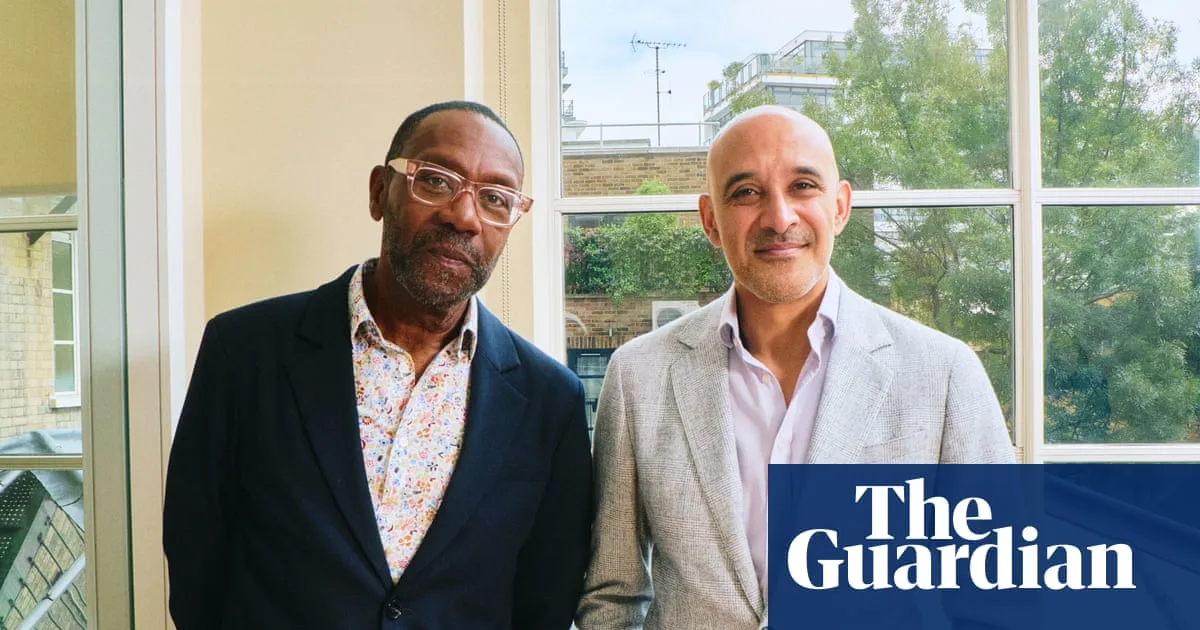
Lenny Henry and Marcus Ryder have co-authored a book titled 'The Big Payback: The Case for Reparations for Slavery and How They Would Work', aiming to spark a national conversation on compensating descendants of enslaved people. The duo was motivated by the revelation that the British government only finished paying off debts from compensating slave owners for abolishing slavery in 2015.
Henry explained that the concept of reparations goes beyond financial compensation. 'It becomes about social engineering, and about healing, and about spiritual healing, rather than just cash,' he said. 'It’s hundreds of years of being oppressed and downtrodden. It’s about mental illness, mental health issues, it’s about society being rigged against you.'
Ryder emphasised that the moral argument for reparations must come first. 'The moral argument is that we deserve compensation. We deserve reparations. Let’s get that agreed, and how we’re going to get the money, or how much money – that is a secondary concern,' he stated. The Brattle Report estimated that Britain owes £18.6 trillion in reparations for its role in transatlantic slavery.

The authors stress that while financial reparations are part of the discussion, the primary goal is to address structural racism and achieve healing. Henry noted that many in the Black community reacted with dismay upon learning that descendants of slaves had effectively been paying for their own enslavement through taxes.