Legal Heavyweights Question Counter-Terrorism Powers
An influential commission comprising legal experts, former government ministers and an ex-MI6 director has launched a significant challenge against the process used to ban the direct action group Palestine Action under the Terrorism Act.
The independent commission, established by the Bingham Centre for the Rule of Law, argues that the current definition of terrorism remains too broad and requires substantial reform to prevent the classification of legitimate protest activities as terrorism.
Commission Calls for Narrower Terrorism Definition
Chaired by Sir Declan Morgan KC, the former lord chief justice of Northern Ireland, the commission included prominent figures such as former attorney general Dominic Grieve and Richard Barrett, MI6's former global counter-terrorism director.
After gathering evidence from more than 200 experts and stakeholders, the commission concluded that the definition relies excessively on executive discretion, creating risks of inconsistency, perceived unfairness and the potential treatment of lawful protest as terrorism.
The report recommends defining terrorism narrowly as "acts intended to coerce, compel, or subvert government or an international governmental organisation". For property damage, the commission suggests applying thresholds only to conduct causing serious risk to life, national security, or public safety, or involving arson, explosives, or firearms.
Controversial Ban and Parliamentary Process Criticised
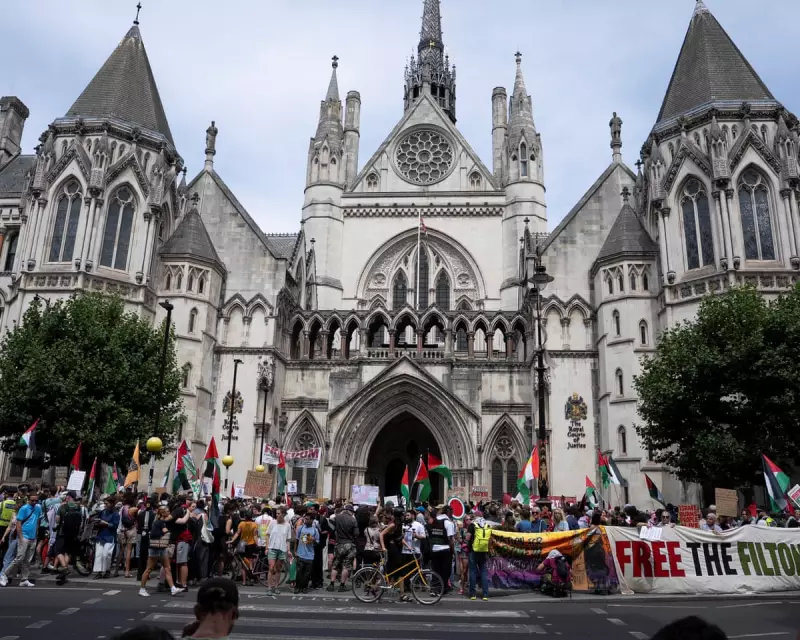
Palestine Action became the first direct action group banned under the Terrorism Act in July, following a proposal by former home secretary Yvette Cooper in June. The ban came after protesters sprayed red paint on two Voyager aircraft at RAF Brize Norton in Oxfordshire - an incident the group claimed responsibility for.
The commission highlighted particular concern about the grouping of Palestine Action with two neo-Nazi groups - the Maniacs Murder Cult and the Russia Imperial Movement - in a single proscription order. Critics argued this approach deterred MPs from abstaining or opposing the order during Commons votes.
Since the ban took effect on 5 July, more than 2,000 people have been arrested for alleged support, mostly for holding placards stating "I oppose genocide, I support Palestine Action". The commission noted the explanatory memorandum failed to clarify that such individuals would violate the law.
Calls for Enhanced Scrutiny and Oversight
The report, publishing Tuesday, demands significant reforms to the proscription process, including:
- Review of classified evidence by parliament's intelligence and security committee before proscription
- An end to grouping multiple organisations in single proscription orders
- Enhanced judicial scrutiny of terrorism designations
- Better parliamentary oversight of the process
Other commission members included former chief inspector of prisons Anne Owers and former Conservative party chair Sayeeda Warsi, underscoring the cross-party nature of the concerns about current counter-terrorism powers and their potential impact on protest rights in the UK.