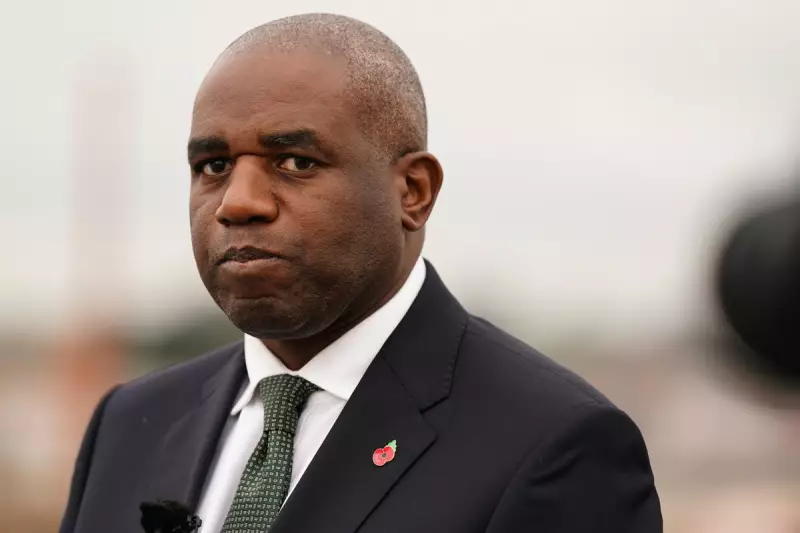
Justice Secretary David Lammy is set to unveil the most significant overhaul of the criminal justice system in a generation, with plans to introduce judge-only trials for some offences in a bid to tackle a record-breaking court backlog.
A 'Bold' Plan for Swift Justice
In a statement to the Commons on Tuesday 2 December 2025, Mr Lammy will lay out a "fast and fair justice plan" aimed at ending what he calls a "courts emergency." The central and most controversial proposal involves scrapping jury trials for less serious crimes, reserving them primarily for the most severe offences like murder, rape, and manslaughter.
The reforms are a direct response to a crisis in the Crown Courts, where the backlog has soared to 78,000 cases, with some trials now scheduled as far away as 2030. Ministers have warned this figure could climb to 100,000 by 2028 without drastic intervention, leading to victims abandoning their pursuit of justice due to agonising delays.

"For many victims, justice delayed is often justice denied," Mr Lammy stated. "Some give up on the process, while others have no confidence justice will be served... This simply cannot go on – we must be bold."
Inspired by Canada and Leveson's Recommendations
The government's strategy is inspired by systems abroad, notably in Canada which uses judge-only trials. Courts Minister Sarah Sackman KC visited the country last month to study its model. The plans also form the government's official response to recommendations made by Sir Brian Leveson in July.
Sir Brian's review called for:
- More cases to be diverted to magistrates' courts or a new intermediate court.
- Juries to be reserved for the most serious "indictable-only" offences and select "either way" cases.
- Judge-only trials for serious fraud and other complex cases deemed suitable by a judge.
While the full details are pending, Mr Lammy is expected to grant judges greater control over case management and create faster routes for lower-level offences, directly implementing these core ideas.
Opposition and a Funding Pledge
The proposed curtailment of jury trials has faced immediate and fierce opposition from across the legal profession and political aisle. The Criminal Bar Association and the Bar Council have argued there is no practical or principled need to limit the right to trial by jury.
Shadow Justice Secretary Robert Jenrick accused Mr Lammy of abandoning his principles, stating: "Instead of depriving British citizens of ancient liberties, David Lammy should get his own Department in order." The Law Society of England and Wales warned it had seen no "real evidence" such measures would reduce the backlog and cautioned that Sir Brian's proposals were already an "uncomfortable compromise."
Alongside the structural reforms, the government will announce a £550 million funding package for victim support services over the next three years. This money is intended to provide counselling and court guidance for survivors and witnesses, addressing concerns repeatedly raised by the late Victims' Commissioner, Baroness Helen Newlove.
Mr Lammy has also committed to increasing crown court sitting days and launching a match-fund scheme to support aspiring criminal barristers. The success of his "bold" vision now hinges on navigating the substantial opposition while proving it can deliver the swift justice promised to victims.