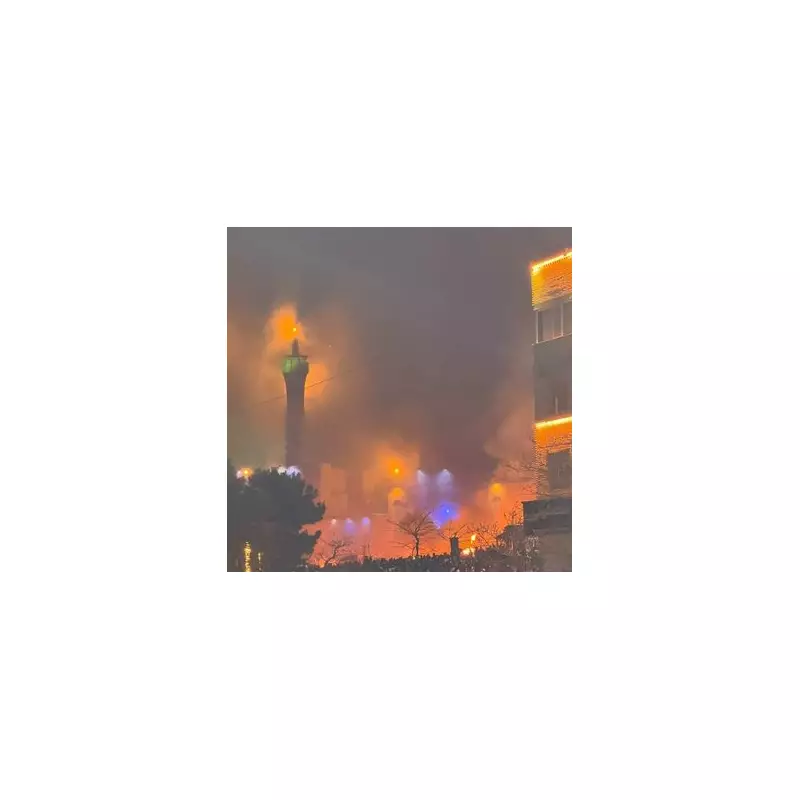
Iranian authorities have dramatically escalated efforts to suppress the flow of information regarding widespread domestic unrest, implementing a severe nationwide internet blackout and initiating door-to-door confiscations of satellite equipment.
Nationwide Blackout and Physical Raids
According to local sources, security forces in Iran have been conducting systematic raids on homes in Tehran, seizing satellite dishes and footage from private security cameras. This aggressive physical campaign is designed to identify participants in the ongoing protests and to choke off alternative channels of communication.
The crackdown follows a comprehensive telecommunications shutdown that commenced on January 8. Internet monitoring group NetBlocks confirmed that the digital blackout surpassed the 100-hour mark by the evening of Monday, January 12, local time. With mobile networks also severely disrupted, satellite devices had become a critical, albeit now targeted, means for citizens to receive and share information.

Deceptive Tactics and International Condemnation
Reports from Iran International indicate that agents from the Islamic Revolutionary Guard Corps (IRGC) posed as utility officials to gain access to homes and confiscate satellite dishes. This move underscores the regime's determination to control the narrative both domestically and internationally.
The sweeping measures have drawn sharp criticism from global human rights organisations. Philippe Bolopion, Executive Director of Human Rights Watch, accused Iran of imposing the blackout to conceal "very concerning reports of large-scale killings by security forces of protesters." He further expressed grave concern for detainees, noting authorities have labelled some as "enemies of God," a charge that can carry the death penalty in Iran.
UK Foreign Secretary Yvette Cooper condemned the "killing and brutal repression of peaceful protesters" as horrific, stating she had raised the issue directly with Iranian Foreign Minister Araghchi. She demanded an immediate end to the violence and the upholding of fundamental rights.
Escalating Tensions and International Response
The situation has prompted urgent safety advisories. The US Virtual Embassy Iran strongly advised American citizens to leave the country immediately using commercial options, detailing specific land border crossings that remain open to Armenia and Turkey.
Meanwhile, reports from CBS suggest US President Donald Trump has been briefed on possible response options, which could include military strikes, cyber operations, and psychological measures in support of protesters. Officials stressed no final decision had been made and diplomatic channels remain open.
The protracted information blackout and the physical seizure of communication hardware mark a significant intensification in Iran's efforts to quell dissent, raising alarms about the potential for further violence and human rights abuses away from the world's view.