

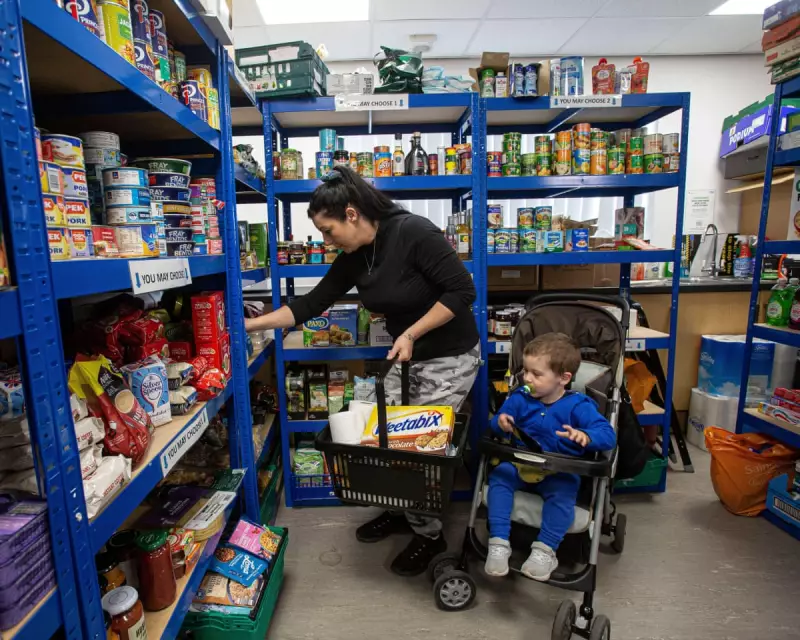
Britain's vast network of charities and voluntary groups is entering 2026 under severe financial strain, confronting a perfect storm of rising demand, shrinking resources, and a steep decline in public donations.
A Sector Under Siege: Rising Demand Meets Falling Funds
The prolonged impact of austerity, the pandemic, and the ongoing cost of living crisis has sent demand for charitable services soaring. Yet, simultaneously, funding has collapsed. State support from both central government and cash-strapped local authorities has become increasingly inadequate. Compounding the problem, charitable giving has fallen to its lowest level since records began, while fewer people are volunteering.
Operational costs have also surged dramatically, partly due to the rise in employers' national insurance contributions implemented in April 2025. For many organisations, this toxic mix made 2025 an annus horribilis. High-profile names have not been immune. In July, the mental health charity Samaritans announced it would close half of its 200 branches. Macmillan Cancer Support has cut a quarter of its staff and reduced hardship grants. Oxfam and the counselling service Relate have also shed jobs or put roles at risk.

Grassroots Struggle and Political Promises
At the local level, thousands of smaller community groups are fighting simply to stay afloat, depleting reserves and cutting back vital services. A survey by Voluntary Norfolk in summer 2025 found half of the county's charities feared they would have to make staff redundant. Burnout among overstretched workers in insecure roles is a major and growing concern.
This crisis presents a direct challenge to the Labour government, which came to power with ambitions of placing civil society at the heart of national renewal. In July, Prime Minister Sir Keir Starmer launched the 'civil society covenant', aiming to foster collaboration between the state and the voluntary sector, including community and faith groups. However, critics argue that warm words alone are insufficient to address the sector's deep financial woes.
A History of Reinvention, A Future of Uncertainty
The voluntary sector's relationship with the state has constantly evolved. In the 1960s and 70s, new campaigning charities like Shelter and Friends of the Earth professionalised the sector and challenged the post-war welfare state. Later, Conservative governments from Margaret Thatcher to David Cameron promoted voluntarism as a substitute for state provision, a move that often left charities overwhelmed by social problems they lacked the resources to solve.
Sir Keir's covenantal approach echoes the 'compact' of the earlier New Labour era under Gordon Brown, which saw a boom in contract funding for voluntary welfare providers. Yet today's context is far harsher. For most charities surveyed by the National Council for Voluntary Organisations, grants and contracts have failed to cover costs since 2020. Alarmingly, the drop in donations is steepest among younger people, who cite 'affordability' as the key reason.
The sector, comprising over 160,000 charities, is a proven social and economic asset. It provides trusted, community-embedded support that neither the state nor profit-driven companies can replicate, often preventing costly crises. To make its covenant meaningful, the Labour government must find concrete ways to channel both financial and human resources to these organisations. As the country heads deeper into 2026, the time for talking is over; the sector urgently needs action to secure its vital future.






