

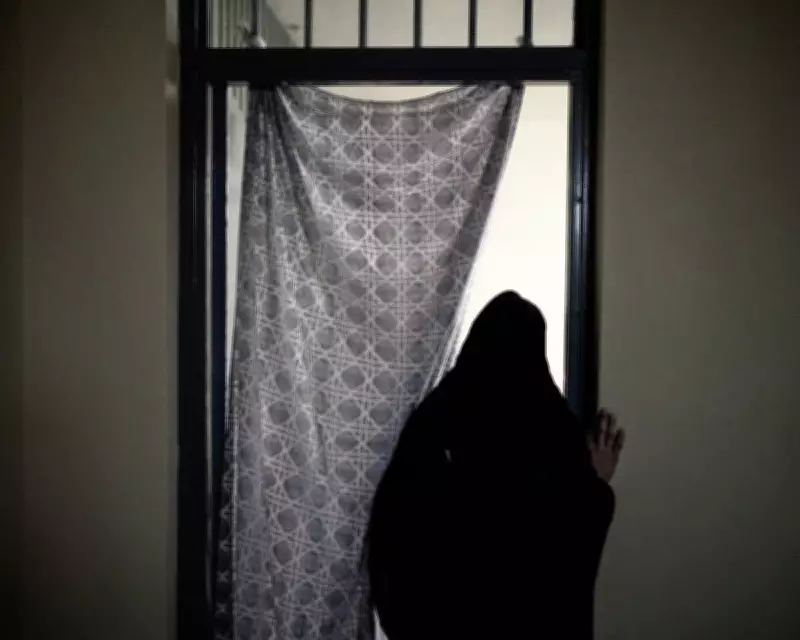
Afghan Judge Dismisses Divorce Case of Woman Abused by Husband
In a stark illustration of the Taliban's harsh new legal framework, a woman in northern Afghanistan has been denied a divorce after enduring severe physical abuse from her husband. The case highlights how recent laws explicitly permit violence against women, requiring them to provide proof of 'obscene force' in court to seek any recourse.
'A Few Beatings Won't Kill You': Judge's Chilling Remarks
Farzana, whose name has been changed for safety, described how her husband regularly beat her, including an incident where he used a mobile phone charger cable to assault her while she was ill. When she filed for divorce, a Taliban judge not only rejected her application but belittled her suffering. 'You want a divorce just because of that? A little anger and a few beatings won't kill you,' the judge reportedly told her, adding that Islam allows men to discipline disobedient wives.
Farzana explained that her husband often humiliated her, calling her 'disabled' due to a slight leg difference, and she had tolerated the abuse for her children's sake. However, after the cable beating left marks on her back and arms for days, she sought legal help, only to be met with dismissal and accusations of seeking a new marriage.

New Taliban Code Grants Licence for Domestic Violence
Human rights activists and UN experts have condemned a new criminal code implemented by the Taliban last year, which was publicised in January. This code allows men to beat their wives as long as it does not cause fractures, wounds, or visible bruises—defined as 'obscene force'—that the wife must prove in court. For such crimes, the maximum penalty is merely 15 days of imprisonment.
Shaharzad Akbar, head of the human rights organisation Rawadari, stated that such cases are now commonplace. Women are forced to live with domestic violence or face Taliban courts that often punish them for 'disobeying' their husbands, she said. The code effectively gives husbands a 'licence for domestic violence,' according to Akbar, exacerbating the crisis for Afghan women.
International Outcry and Gender Apartheid Accusations
Nobel laureate Malala Yousafzai addressed the UN this week, condemning the Taliban's actions as a system of 'gender apartheid.' 'This is not culture. It is not religion. It is a system of segregation and domination,' she asserted, urging global recognition of the regime's true nature.
Since the Taliban's return, shelters for domestic violence survivors have been closed, leaving women like Farzana with no safe havens. Forced back to her husband, she now faces increased violence, with threats of death if she does not endure the abuse. UN Women's special representative in Afghanistan, Susan Ferguson, warned that silencing Afghan women sets a dangerous precedent for women's rights worldwide.
The case underscores the dire situation for Afghan women under Taliban rule, where legal protections are eroded, and abuse is institutionalised, sparking calls for international action to address this humanitarian crisis.






