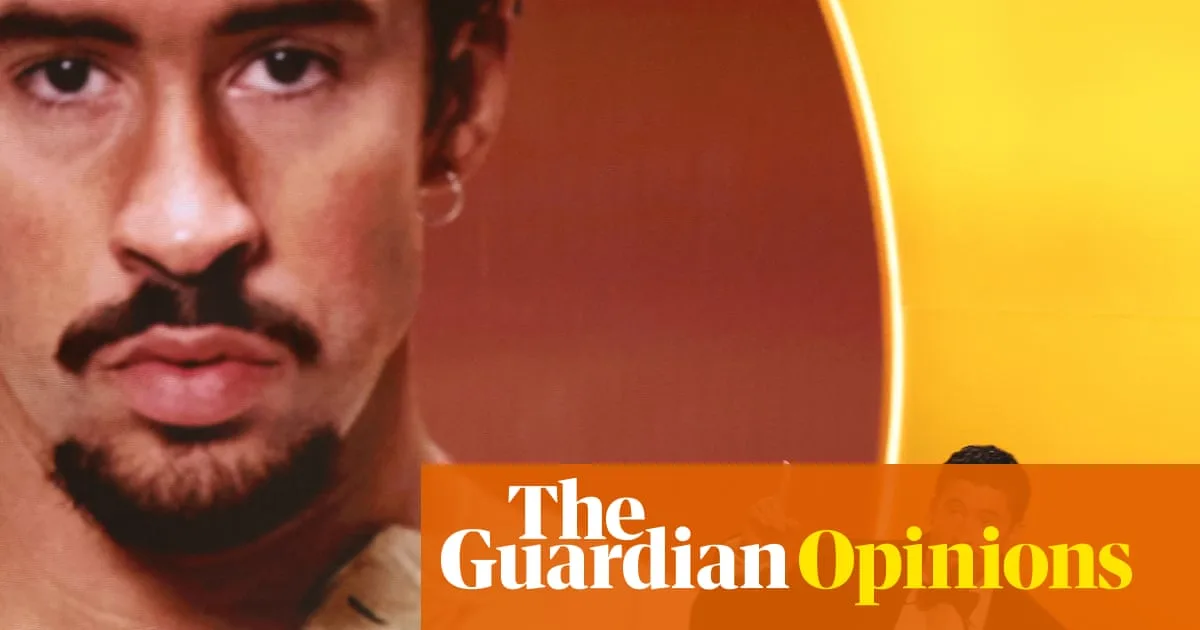
White House Press Secretary Criticises Bad Bunny's Anti-ICE Grammy Speech
White House Criticises Bad Bunny's Grammy ICE Comments

White House press secretary Karoline Leavitt has launched a pointed criticism against Grammy-winning artist Bad Bunny following his politically charged acceptance speech at the prestigious music awards ceremony. The controversy centres on comments made by the Puerto Rican superstar during Sunday night's event, where he became the first artist in the 67-year history of the Grammys to win Album of the Year for a work performed entirely in Spanish.

Historic Win Accompanied by Political Statement

During his acceptance speech for the coveted award, Bad Bunny dedicated his triumph to "all the people who had to leave their homeland to follow their dreams." Earlier in the evening, the reggaeton star had delivered an even more direct political message, stating: "Before I say thanks to God, I'm going to say ICE out. ... The only thing that's more powerful than hate is love. So please, we need to be different. If we fight, we have to do it with love. We don't hate them. We love our people. We love our family and there's a way to do it, with love, and don't forget that."

White House Response to Celebrity Activism

Karoline Leavitt responded to these comments during a White House briefing on Tuesday, describing the singer's remarks as "very ironic and frankly sad." The press secretary specifically criticised celebrities who she suggested enjoy privileged lifestyles while making statements about law enforcement agencies.

"It's very ironic and frankly sad to see celebrities who live in gated communities with private security, millions of dollars to protect themselves, trying to demonize, again, law enforcement," Leavitt stated during her remarks to journalists.

Broader Context of Immigration Debate

The exchange highlights the ongoing tension between celebrity activism and political discourse surrounding immigration policy in the United States. Bad Bunny's comments come at a time when immigration remains one of the most divisive issues in American politics, with Immigration and Customs Enforcement (ICE) frequently at the centre of heated debates about border security and enforcement practices.

The artist's historic Grammy achievement - winning the ceremony's highest honour for an album performed entirely in Spanish - adds significant weight to his political statements, representing a milestone for Latin music in the mainstream American entertainment industry.

Celebrity Influence on Political Discourse

Leavitt's criticism reflects a broader conservative perspective that questions the legitimacy of celebrity political commentary, particularly when it comes from individuals who enjoy substantial wealth and security protections. The White House press secretary's remarks suggest a belief that such figures are disconnected from the realities faced by ordinary Americans and law enforcement personnel.

This incident follows a pattern of high-profile celebrities using awards ceremonies as platforms for political statements, though Bad Bunny's direct call for the abolition of a specific government agency represents a particularly pointed intervention in ongoing policy debates.

The controversy is likely to fuel further discussion about the appropriate role of celebrities in political discourse and the complex relationship between entertainment, activism, and government policy in contemporary America.




