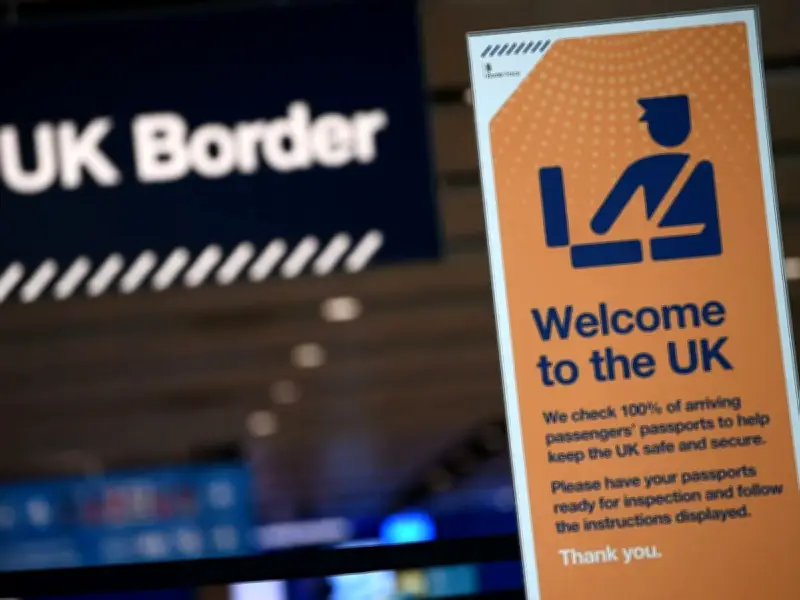
Voters have expressed surprise at misleading impressions of migration levels after taking part in citizens' assembly-style events across the UK. A new report by the cross-party Home Affairs Select Committee found that some participants believed migration levels were much higher than they actually are.
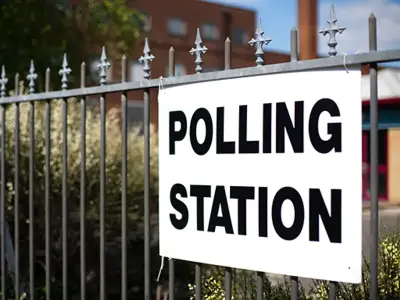
Based on workshops in North Tyneside, Leicester and Renfrewshire, the report shows many voters feel they are not getting the full story as the migration debate is so polarised. MPs, along with the Demos think tank, hosted the workshops to discuss varied views on migration.
Participants shocked by actual figures
One participant from North Tyneside said: “I was always under the impression that kind of the numbers would have been a bit higher. Again, that’s because of what other people basically kind of word of mouth, social media, that type of thing. It just goes to show that you you can’t always trust what you see online.”

Another, from Renfrewshire, said: “The proportions of different types of reasons for migration surprised me a bit. Particularly the prominence of those coming for education. Also the low percentage of ‘boat people’ by comparison although that is what attracts the headlines and political unrest.”
Committee chair calls for balanced debate
Tory Dame Karen Bradley, who chairs the committee, said: "This complex issue is too often debated in polarised and fractious ways, with the loudest voices leading the agenda. Good and effective policy cannot come out of such an approach."
She added: "We wanted to find out more than just whether immigration was good or bad, and whether it should just go up or down. We wanted to find out what members of the public thought about the difficult trade-offs that may be needed when deciding such a complex question."
Call for training UK workers first
The report said most participants believe employers should focus on training and recruiting UK workers before turning to overseas staff. But they also believe migrants should be treated with dignity and respect, with settlement routes for those who contribute.
Almost 100 people took part in the workshops. Participants called for more emphasis on training and upskilling UK residents, particularly young people, before turning to migrant labour. They also voiced support for different immigration routes reflecting migrants' circumstances, with clear pathways to settlement for those with a visa who make a long-term contribution to the UK.
One participant said: “The 26% who come here to work, I don’t think anybody really has a problem with that, but it does lead us into a bigger problem insomuch as why are we not training the indigenous population?” Another stated: “So if you’ve got people in the country who are willing to do the job, why are we not utilising them first?”
Participants voiced concerns about the way migration is debated on social media. One in Leicester said: "I think we don’t get a very balanced view of it because we get the extreme views. We get the far right, far left views on this. We don’t get anything sort of what the ordinary person probably more in the middle sort of thing."
Another in Renfrewshire said: "I really don't know a lot about the stats, like numbers of immigrants. But the main thing that comes to my mind is just how much the conversation is dominated by hate."
Miriam Levin, director of democratic engagement at Demos, said: "Participants who disagreed with one another found substantial common ground across profound divides, with 92% saying they had changed their mind on work-related immigration as a result of hearing others’ views and expert testimony."
She added: "Participants themselves regarded this as a significant outcome: they ranked an honest and balanced public conversation about immigration highly in their principles, and many hoped that processes of this kind would be used more widely in policymaking, beyond immigration alone."
Dame Karen Bradley said: "The list of priorities set out in this report gives a clear idea of the issues that matter to them. It was pleasing to see so many people from different backgrounds and different experiences work together to achieve this. But we must also recognise that there was dissatisfaction with how immigration has been handled and a trust gap in the ability of policymakers to deliver."