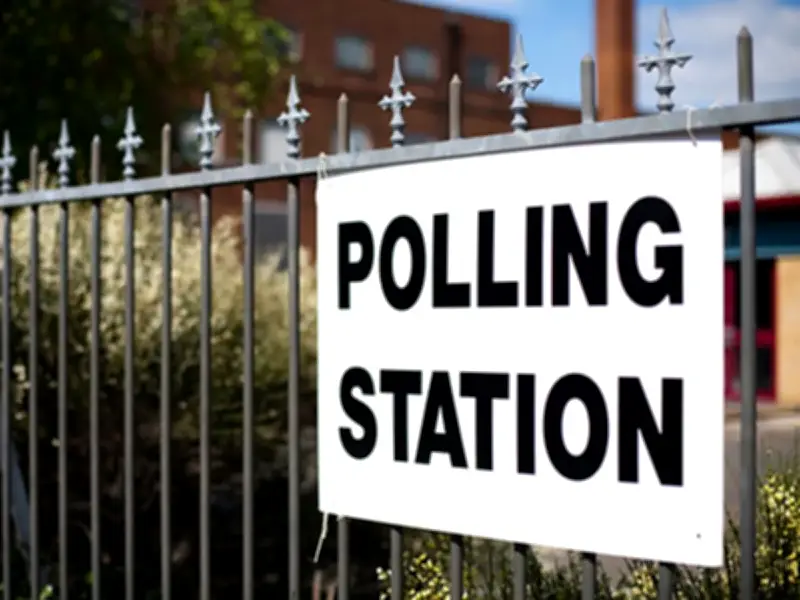
The Government has confirmed a major change to voter ID requirements, announcing that in-date bank cards will soon be accepted as a form of identification at polling stations in Great Britain.
The change follows research showing that the current rules act as a barrier to voting for a small but significant proportion of the population.
Current voter ID rules
Since 2023, voters have been required to show an accepted form of photo ID at polling stations for local elections, general elections and referendums. The Government says voter identification was recommended by the Electoral Commission since at least 2014 and exists to combat potential voter fraud.

Currently accepted forms include UK, EEA and Commonwealth passports; full or provisional driving licences; national identity cards from EEA states; older and disabled person's bus passes; Oyster 60+ cards; Freedom Passes; Blue Badges; Voter Authority Certificates; PASS cards; biometric immigration documents; defence identity cards; and anonymous elector's documents.
New measure to widen access
In a written parliamentary question, Labour MP Mary Glindon raised the issue of access to photographic identification. In a written response, Labour MP Samantha Dixon said research by Verian, commissioned by the Ministry of Housing, Communities and Local Government, found that 2-4% of the 18+ UK population do not own an accepted form of identification that would enable them to vote in person.
Dixon said: "The Government believes the current Voter ID rules are too restrictive. We are therefore bringing forward changes, as part of the Representation of the People Bill, to allow the use of UK-authorised in-date bank cards as identification at polling stations in Great Britain."
She added that the Verian research found the new measure would reduce the proportion of the 18+ UK population without an accepted form of ID to less than 1%.
Bill progress
According to a government policy paper, the bill will amend legislation to permit the use of UK-issued bank cards as voter ID, provided the card displays the elector's name as shown on the electoral register. The paper said the move would allow "a greater proportion of legitimate electors to more easily meet the voter identification requirements".
The Representation of the People Bill 2026 also includes measures to lower the voting age to 16 for all UK elections and to introduce more automated forms of voter registration. It has passed its first and second readings in the House of Commons and is now at the report stage. If it passes its third reading, it will need to go through the House of Lords before receiving Royal Assent and becoming law.