
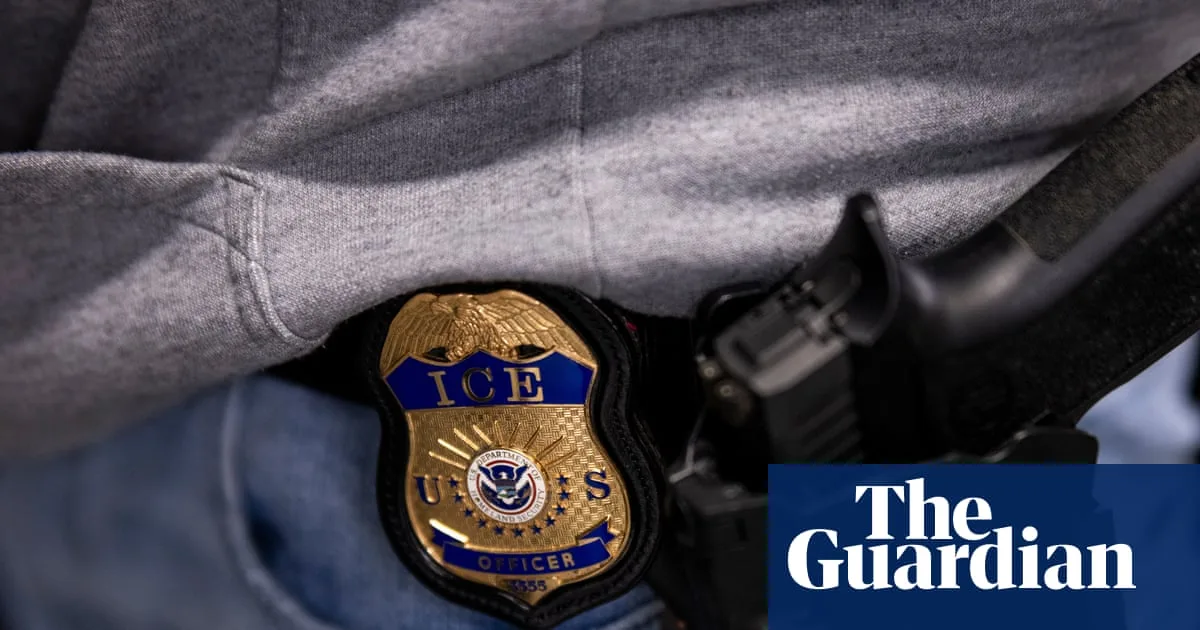
Filipino healthcare workers form a vital part of the US medical system, yet many among the undocumented community are living in fear of Immigration and Customs Enforcement (ICE) arrests. Filipinos make up 4% of registered nurses in the US, more than double their share of the general population, according to National Nurses United. Approximately 2% of undocumented immigrants in the US come from the Philippines, data from the Migration Policy Institute shows.
One caregiver, identified only as Bella, 57, arrived in Los Angeles in 2018 on a tourist visa. She was promised a stable job by a family whose grandmother she had cared for in the Philippines. Instead, she was shuttled between home healthcare facilities to avoid compliance checks and paid $30 a day for 24-hour patient care. A deep sense of obligation, known in Filipino culture as utang na loob, kept her tied to the arrangement. She eventually lived in a church for months before joining a workers' rights group, and now works part-time as an independent caregiver, earning just enough to pay rent and taxes.
Bella said the recent surge in ICE arrests has left her anxious and limiting trips outside her home. 'It's too much,' she said. Veronica Velasquez, a 33-year-old physical therapist and Daca recipient, described ICE agents walking past her in the hallways of a Los Angeles hospital where she formerly worked. 'This is supposed to be a healing space. This is supposed to feel like a space where I should feel safe. This is my place of work, and it 100% does not feel that way,' she said.
The presence of Filipino healthcare workers in the US has deep historical roots, tracing back to the US occupation of the Philippines and nursing education exchange programmes in the mid-20th century. By the 1970s, Filipino nurses were being trained and exported to the US as skilled labour, said Valerie Francisco-Menchavez, a sociology professor at San Francisco State University. Aquilina Soriano Versoza, founder of the Pilipino Workers Center of Southern California, noted that caregivers would not come if the need for labour did not exist.
Many Filipino caregivers arrive on skilled worker visas or overstay tourist visas, and both paths can leave them vulnerable in a system facing critical labour gaps. The current climate of heightened immigration enforcement has added to the insecurity of workers who provide essential care to some of the most vulnerable patients in the country.




