
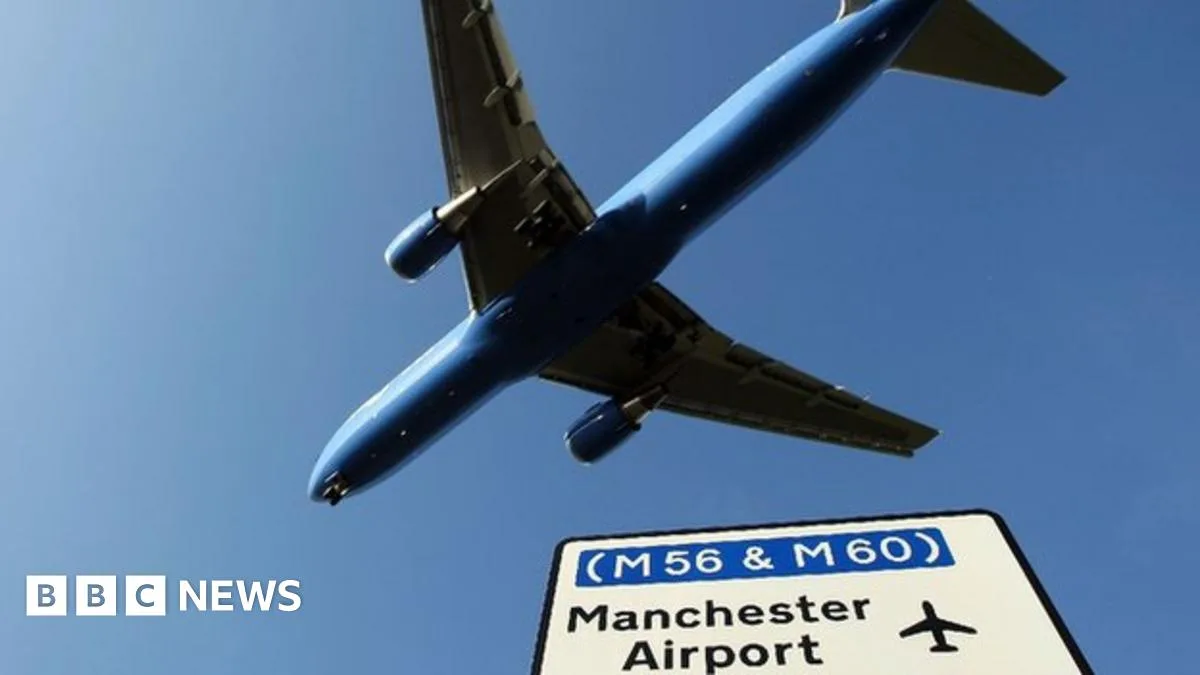
Heathrow and Manchester airports have instructed passengers flying to the US to ensure all electronic devices carried as hand luggage are charged before travel. The directive follows a request from US authorities for enhanced security measures at certain overseas airports.
Under the new rule, if a device does not switch on, it will not be allowed onto the aircraft. Airline staff will conduct checks at boarding gates, and British Airways has warned that passengers with uncharged devices may be required to rebook their travel.
The Department for Transport has not confirmed whether other UK airports will enforce similar restrictions on US-bound flights. US officials cited a 'credible' terrorist threat but did not link the changes to specific intelligence, though analysts suggest the measures may counter efforts by militants to build undetectable bombs.
Heathrow has advised passengers to keep chargers in hand luggage to top up devices if needed, or place powerless items in hold luggage. If a device remains uncharged, passengers can use airport charging points or a retailer offering cables. As a last resort, the Bagport service can ship or store the device for up to 42 days.
British Airways has also warned that newly purchased devices from airport shops must have power, and transfer passengers at London must comply. Virgin Atlantic, Delta Air Lines, and Air France have not detailed their procedures. The US Transport Security Administration has identified mobile phones as one affected device, with tablets, MP3 players, cameras, and electric shavers also mentioned.




