Asylum Hotel Occupancy in UK Reaches 18-Month Low Amid Government Reforms
Newly released data from the Home Office indicates that the number of asylum seekers being accommodated temporarily in hotels across the United Kingdom has decreased to its lowest point in a year and a half. At the close of December 2025, there were precisely 30,657 individuals residing in such hotel accommodations while awaiting decisions on their asylum claims.
Historical Context and Political Pledges
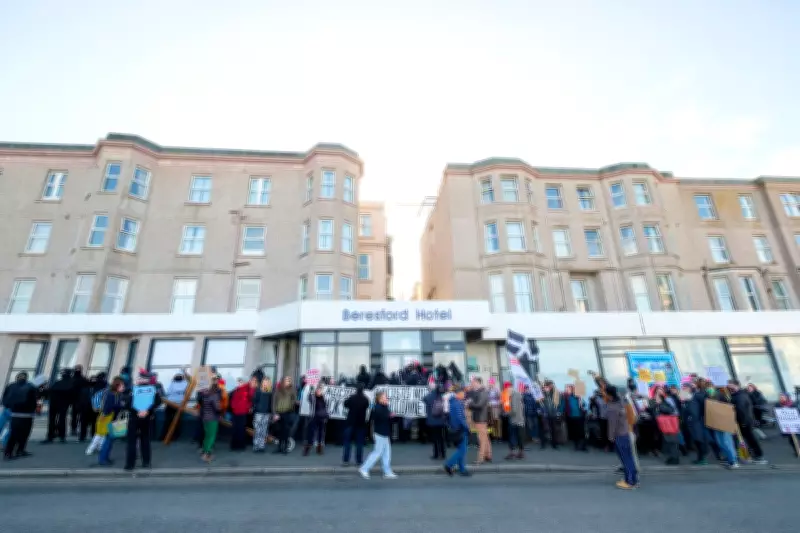
This issue gained significant public attention last year, with protests erupting outside various hotels housing asylum seekers. The Labour Party has made a firm commitment to completely cease the use of hotels for asylum accommodation by the conclusion of this Parliament, which would be 2029 at the latest, and potentially earlier if feasible.
The peak of hotel usage occurred under the previous Conservative administration, reaching 56,018 individuals at the end of September 2023. This number dramatically declined to a record low of 29,561 by the end of June 2024, just prior to the general election. The December 2025 figures represent a 15% reduction compared to the previous quarter ending in September, which recorded 36,273 people in hotels.

Alternative Accommodation Strategies
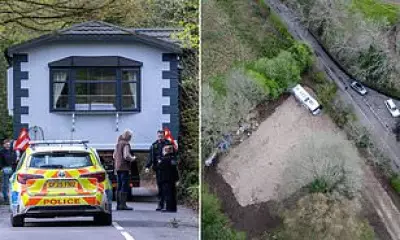
In October 2025, the Government announced plans to utilize barracks in Scotland and southern England to house approximately 900 male asylum seekers temporarily. This initiative forms part of broader governmental efforts to transition away from hotel usage for temporary asylum accommodation.
The statistics also reveal that the number of people housed in so-called contingency accommodation other than hotels has fallen to its lowest level since December 2022. At the end of December 2025, there were 2,010 individuals in such accommodations, which may include barracks facilities.
Dispersal Accommodation Trends
Once asylum support has been granted, individuals are transferred to what is termed "dispersal accommodation," where they remain pending final decisions on their asylum applications. The latest data shows 68,538 people in this longer-term temporary accommodation—typically privately managed houses, flats, or rooms in properties of multiple occupancy—at the end of December 2025.
This figure represents a 4% increase compared to the same period in 2024, when there were 65,707 people in dispersal accommodation. The hotel occupancy statistics, which reflect the total population at specific points in time rather than across quarterly periods, have been tracked since December 2022.
Broader Asylum Application Trends
Concurrently, other Government data published on Thursday demonstrates a decline in both asylum applications and the asylum backlog. In 2025, 100,625 people applied for asylum in the UK, marking a 4% decrease from 2024's record high of 104,764 applications—the highest annual figure since current records began in 2001.
The asylum backlog—comprising individuals awaiting initial decisions on their applications—stood at 64,426 at the end of December 2025. This represents the lowest backlog figure since September 2020, when it was 60,548.
Government Response and Future Directions
A Home Office spokesperson stated that the latest statistics "show real progress as we restore order and control to our borders." However, they acknowledged that "too many hotels remain in use," adding: "That is why the Home Secretary is introducing sweeping reforms to tackle the pull factors drawing illegal migrants to Britain, and we are ramping up removals of those with no right to be here."
The ongoing reduction in hotel usage reflects both policy changes and operational adjustments within the UK's asylum system, though challenges remain in fully transitioning to alternative accommodation solutions while managing application volumes and processing times.