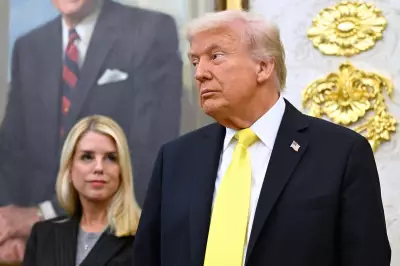
Donald Trump is planning to issue an executive order that would compel banks to collect citizenship data from their customers, according to a report from the Wall Street Journal. This move represents a significant escalation in the former president's immigration crackdown efforts, targeting financial institutions as a new front in his policy agenda.
Banking Sector Reacts with Alarm
Financial institutions have raised serious concerns about the discussions, as Trump reportedly aims to bypass congressional oversight by using an executive order to implement the policy. Banks would be required to obtain documents such as passports from both new and existing clients, a requirement that currently does not exist in U.S. banking regulations.
Potential Impact on Millions of Accounts
With tens of millions of foreign-born residents holding U.S. bank accounts, lenders fear the rule would trigger a costly and extensive compliance overhaul. Industry experts warn that this could lead to significant deposit flight, as customers may seek alternative banking options to avoid the new documentation requirements.

Currently, banks are mandated to collect information to help authorities combat financial crimes like money laundering, but this does not include citizenship status. There are no existing rules prohibiting foreign nationals from opening bank accounts in the United States, making this proposed policy a substantial departure from current practices.
Market Reaction and Official Response
The Dow Jones U.S. Banks Index, which tracks more than 36 financial institutions, was down 0.5 percent following the report's publication. This market movement reflects investor concerns about the potential operational and financial burdens on the banking sector.
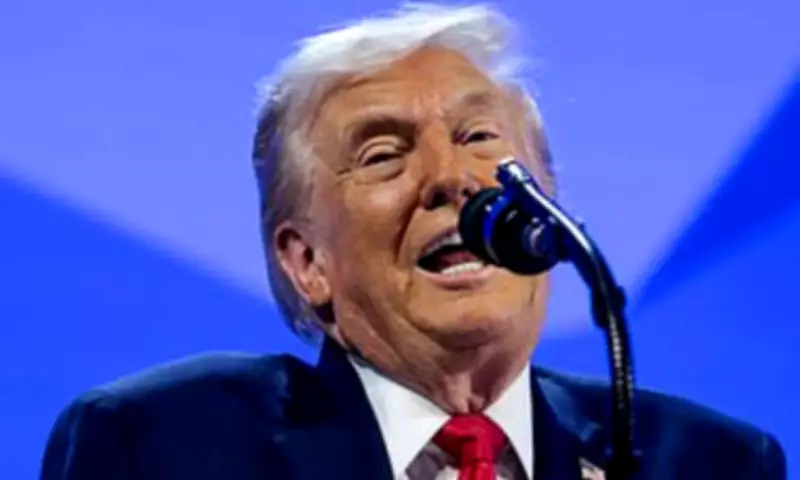
The White House responded to the Daily Mail's inquiry by stating: 'Any reporting about potential policymaking that has not been officially announced by the White House is baseless speculation.' This statement came as Donald Trump was speaking at the 56th annual World Economic Forum in Davos, Switzerland, on January 21.
Broader Implications for Immigration Policy
This development signals Trump's continued focus on immigration enforcement through unconventional channels. By targeting financial institutions, the policy could create new barriers for immigrants and foreign nationals accessing basic banking services, potentially affecting everything from everyday transactions to business operations.
Banking industry representatives have expressed worries about the practical implementation challenges, including verification processes, data security concerns, and the potential for increased regulatory scrutiny. The proposal highlights ongoing tensions between immigration policy objectives and financial sector operations in the United States.