Trump Expresses Regret Over ICE Shooting, Claims Victim's Father Was Supporter
Trump on ICE Shooting: Claims Victim's Father Was His Fan

Former President Donald Trump has publicly addressed the fatal shooting of Renee Good by an Immigration and Customs Enforcement officer in Minnesota, expressing personal regret while making controversial claims about the victim's family.

Trump's Remarks on the Tragedy

During a White House press briefing marking one year since his second inauguration, Trump told reporters he "felt horribly" when informed about the death of the 37-year-old mother. "It's a tragedy. It's a horrible thing. Everybody would say – ICE would say the same thing," he stated.

The former president then made an unexpected claim about Good's father, suggesting he was a political supporter. "But when I learned that her parents, and her father in particular… I hope he still is, but I don't know, [he] was a tremendous Trump fan," Trump said. "He was all for Trump. Loved Trump, and it's terrible."

Contradictory Characterisations

These comments stand in stark contrast to Trump's previous descriptions of Good, whom he had labelled a "professional agitator" following the incident earlier this month. Administration officials have repeatedly accused the woman of "domestic terrorism" in relation to the circumstances surrounding her death.

When questioned about his characterisation of Good's father as a supporter, Trump responded: "I was told that by a lot of people. They said, 'Oh, he loves you' ... I hope he still feels that way."

Broader Political Context

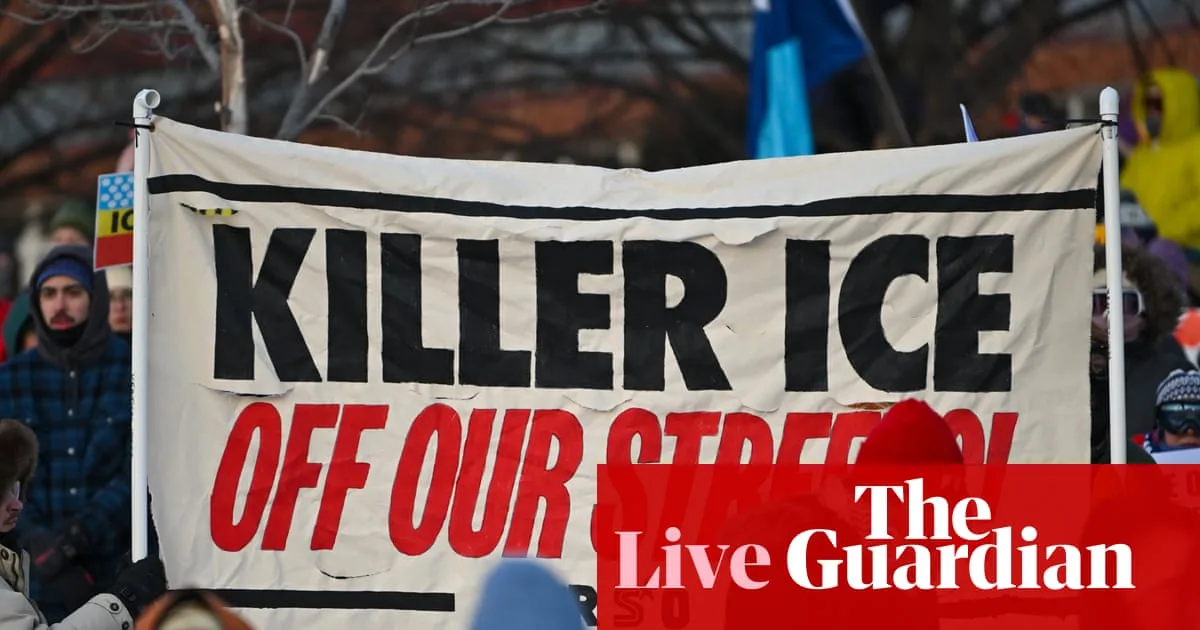
The shooting has sparked significant political outrage and civil unrest across the United States, with Trump claiming to understand "both sides" of the incident. During the same briefing, he pointed to other individuals he described as "professional agitators," alleging they were partly responsible for volatile demonstrations against both Good's killing and his administration's mass deportation campaign.

"There was another woman that was screaming: 'shame, shame, shame, shame' ... like a professional opera singer," Trump remarked. "She was so loud and so professional … These are professional agitators and professional people that want to see our country do badly."

Inconsistent Statements

Trump's public statements about Good have varied considerably. In earlier remarks to CBS News this month, he suggested she was likely "a very solid, wonderful person," before adding: "But, you know, her actions were pretty tough."

Speaking to The New York Times around the same period, Trump offered a different perspective: "She behaved horribly. And then she ran him over. She didn't try to run him over. She ran him over."

Legal and Political Fallout

The Department of Justice has issued criminal grand jury subpoenas to Minnesota Governor Tim Walz and Minneapolis Mayor Jacob Frey, along with at least three other Democratic officials in the state. These individuals stand accused of obstructing federal immigration officers' operations.

Legal experts have noted that public statements made by these officials, including calls for peaceful protest, are protected under the First Amendment. In response to initial reports of the Justice Department investigation, Governor Walz criticised Trump for "weaponizing" the justice system against political opponents, calling it "a dangerous, authoritarian tactic."

Mayor Frey described the probes as "an obvious attempt to intimidate me for standing up for Minneapolis, local law enforcement, and residents against the chaos and danger this administration has brought to our city."

Immigration Enforcement Context

The decision to launch federal investigations and issue subpoenas to Democratic leaders in Minnesota, a state Trump did not win in the 2024 elections, follows a substantial surge in immigration enforcement activity there. This increased presence has resulted in thousands of arrests and widespread accusations that law enforcement is violently targeting both immigrants and citizens.

The case continues to highlight deep political divisions surrounding immigration policy and enforcement methods in the United States, with the shooting of Renee Good becoming a focal point for broader debates about federal authority, civil liberties, and political accountability.




