Trump Suggests 'Softer Touch' on Immigration as Federal Presence in Minnesota is Reduced
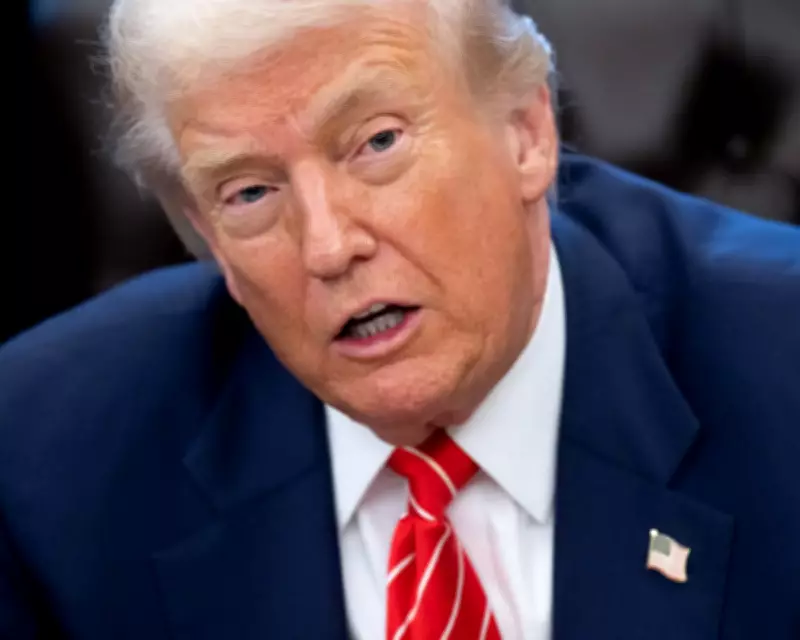
In a notable development from the White House, President Donald Trump has hinted at adopting a more measured approach to immigration enforcement, describing the potential for "a little bit of a softer touch." This statement follows significant public backlash against his administration's ongoing crackdown in Minnesota, a state that has become a focal point in the national immigration debate.
Substantial Drawdown of Federal Agents in the North Star State
Tom Homan, the White House border czar, has confirmed that approximately 700 federal agents will be withdrawn from Minnesota. This represents a substantial reduction in on-the-ground personnel, though officials note that around 2,000 agents will remain stationed there—a figure still considerably higher than typical levels for the state.
Homan explained that this reduction coincides with ongoing negotiations between county jails and federal authorities regarding enhanced coordination. However, specific details about which counties have agreed to cooperate with immigration enforcement officials remain unclear, leaving local communities uncertain about the practical implications.
Political Calculations and Operational Realities
In a forthcoming interview with NBC News, President Trump asserted that the decision to draw down the 700 officers originated with him personally. He added that the administration is currently "waiting for [Minnesota] to release prisoners," suggesting a conditional aspect to the withdrawal.
Minnesota Governor Tim Walz offered a different perspective during a Tuesday press conference, suggesting the federal government's shift stems from political rather than policy considerations. "I don't see how they continue on with this in any way that makes any sense, both politically and operationally for them," Walz stated. He emphasized that tangible changes on the ground matter more than rhetorical adjustments, declaring, "None of this matters unless there's proof on the ground."
Mixed Reactions from Political Leaders
The partial withdrawal has drawn criticism from both sides of the political spectrum. Chuck Schumer, the US Senate minority leader, argued that removing 700 agents represents insufficient progress. "ICE's abuses go beyond the headlines," Schumer asserted. "Residents are afraid to go to schools, to grocery stores, to even step outside. Agents are patrolling the streets like a military operation. All of ICE needs to leave Minneapolis now."
Meanwhile, President Trump maintained his characteristically tough rhetoric even while suggesting potential moderation. "You still have to be tough," he insisted. "These are criminals we're dealing with, really hard criminals." This juxtaposition highlights the administration's attempt to balance enforcement priorities with political realities.
Broader Immigration Enforcement Context
The developments in Minnesota occur against a backdrop of ongoing national debates about immigration policy and enforcement methods. Democratic lawmakers have warned that the Trump administration's mass deportation campaign has diverted law enforcement resources away from combating serious crimes like child exploitation and human trafficking.
Furthermore, controversial proposals continue to emerge from Trump allies, including former White House strategist Steve Bannon's suggestion that immigration agents should be present at polling sites during the upcoming midterm elections—a notion that has alarmed election officials across the country.
As the administration navigates these complex issues, the situation in Minnesota serves as a microcosm of the broader challenges facing US immigration policy, where operational decisions, political calculations, and humanitarian concerns intersect in increasingly contentious ways.