Murder-for-Hire Trial Opens with Snapchat Messages Under Scrutiny
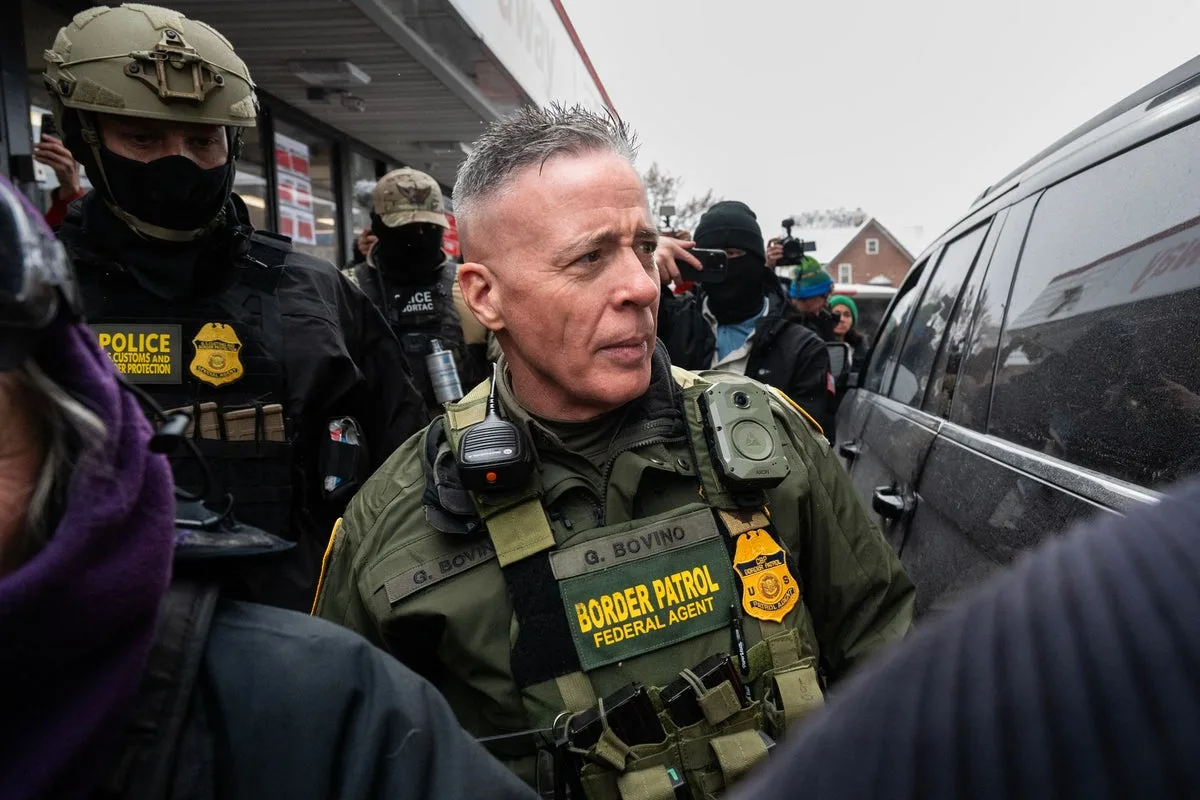
The first day of a high-profile murder-for-hire trial commenced on Wednesday, centring on Snapchat messages allegedly targeting Border Patrol boss Greg Bovino. Juan Espinoza Martinez, a 37-year-old carpenter, faces a single count of murder-for-hire in what marks the inaugural criminal trial arising from last year's immigration enforcement crackdown in and around Chicago, the nation's third-largest city.
Prosecution Alleges $10,000 Bounty on Bovino's Life
Federal prosecutors have asserted that Espinoza Martinez, described as a gang member, placed a $10,000 bounty on the life of Greg Bovino. Bovino has spearheaded aggressive and contentious immigration campaigns across the United States, with recent operations notably in Minnesota. Assistant U.S. Attorney Minje Shin emphasised to jurors that the case transcends mere expression of strong opinions on immigration policy.
"Make no mistake, the evidence in this case will show that what the defendant did was not a joke, was not just him mouthing off, was not him blowing off steam behind a keyboard," Shin declared during opening statements.
Defence Claims Messages Were 'Neighborhood Gossip'
Defence attorneys countered that Espinoza Martinez, who reportedly had only about $20 in his bank account, sent messages that amounted to nothing more than "neighborhood gossip." These communications were directed to his brother and a friend, who later emerged as a government informant. The Snapchat exchanges occurred in October, coinciding with a surge of federal immigration officers in the Chicago area.
Arrests, protests, and standoffs with agents were prevalent throughout the city of 2.7 million and its suburbs, particularly in Little Village—a heavily Mexican neighbourhood where Espinoza Martinez resided. Defence attorney Jonathan Bedi argued, "He's not guilty because repeating neighborhood gossip is not a crime. Repeating neighborhood gossip is not intending to go commit a murder."
Key Witness Testifies on Snapchat Exchanges
The government's first witness, Adrian Jimenez, a 44-year-old construction company owner, testified that he received the Snapchat messages from Espinoza Martinez over the past year regarding work matters. Jimenez, who walks with a limp due to back pain, stated he took the messages seriously and reported them to a Homeland Security investigator.
Pictures of the Snapchats were displayed in court, with one reading "10k if u take him down" alongside an image of Bovino. Some messages were in Spanish and translated for the proceedings. Jimenez acknowledged previous work as a government informant for payment but could not recall specific details.
Gang Allegations and Legal Context
Initially, federal prosecutors labelled Espinoza Martinez as a "ranking member" of the Latin Kings street gang. However, U.S. District Judge Joan Lefkow barred testimony on gang affiliations due to insufficient evidence. According to the criminal complaint, Espinoza Martinez allegedly sent messages on behalf of the gang to other members.
This trial emerges amid broader scrutiny of immigration enforcement. Of approximately 30 criminal cases linked to Operation Midway Blitz in the Chicago region, charges have been dropped or dismissed in about half. In a separate lawsuit, a federal judge found that Bovino lied under oath regarding alleged gang threats.
Potential Consequences and Broader Implications
Espinoza Martinez, born in Mexico and living in the U.S. without legal permission, wore a dark suit and tie in court. If convicted, he faces up to a decade in prison. Bovino, who is not expected to testify, and the Trump administration have highlighted this case as indicative of escalating dangers faced by federal immigration agents from gang threats.
Nevertheless, several federal lawsuits in Chicago have cast doubt on the Department of Homeland Security's narratives, adding layers of complexity to this pivotal trial.