Angus Taylor's Hardline Immigration Stance Divides Liberal Party and Draws Trump Comparisons
Opposition leader Angus Taylor has ignited a fierce debate within Australian politics by unveiling a stringent new immigration policy, drawing sharp criticism from refugee advocates, political rivals, and even members of his own Liberal party. The controversial plan, which includes social media vetting at borders and prioritising migrants from liberal democracies, has been labelled as "Trumpian" by detractors.
Internal Liberal Party Rift Over Immigration Approach
Former Howard government immigration minister Amanda Vanstone has publicly cautioned Taylor against transforming immigration into a heavy-handed law enforcement portfolio. Vanstone, who served from 2003 to 2006, emphasised that Australia's identity as a successful multicultural nation could be jeopardised by such an approach.
"Sure, people from liberal democracies have an understanding about our system, but never forget that people who want to get away from authoritarianism come here to escape it, not to reinstitute it," Vanstone told media outlets. Despite her reservations, she expressed support for Taylor's proposal to require permanent migrants to learn functional English, stating it is crucial for proper integration into Australian society.

Taylor's Controversial Claims About Migrant Values
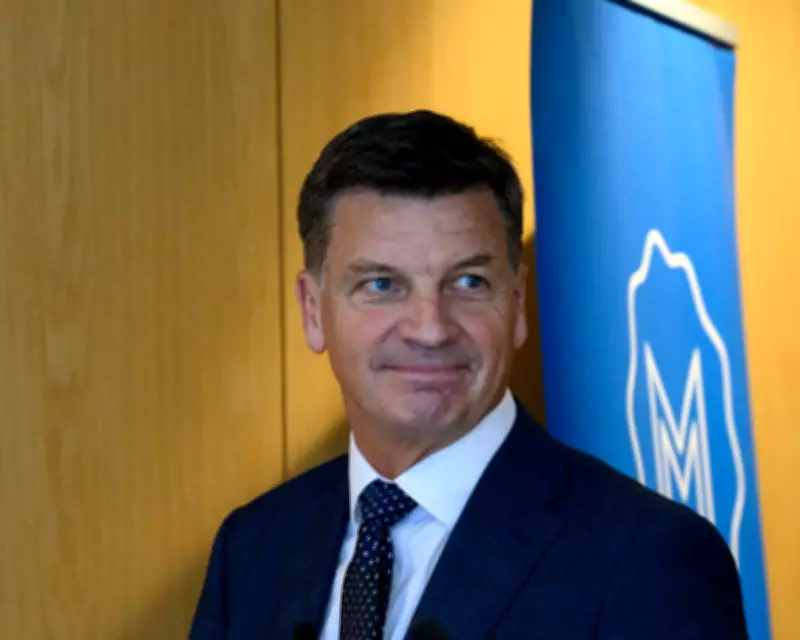
In a speech delivered to the Menzies Research Centre, Taylor argued that migrants originating from nations governed by fundamentalists, extremists, and dictators are statistically less likely to embrace Australian values compared to those arriving from liberal democracies. This assertion has provoked widespread condemnation from refugee support organisations and community advocates.
Paul Power, co-chief executive of the Refugee Council of Australia, countered Taylor's position by highlighting that many migrants, similar to those who arrived in the 1950s and 1960s, are fleeing war and oppression. Power warned that Taylor's rhetoric risks fostering discrimination against vulnerable groups and contradicts the Australian principle of giving everyone a fair go.
Comparisons to Donald Trump's Policies and Internal Dissent
One sitting Liberal MP, speaking anonymously, described Taylor's proposal for Home Affairs officers to conduct social media screening at Australian borders as a "pathetic attempt to mimic Trump." The MP suggested Taylor's aggressive stance is a response to political pressure from both One Nation and internal party challenges.
Taylor further invoked the language of former Prime Minister John Howard, declaring "we will decide who deserves protection and the circumstances in which that protection is granted," echoing Howard's 2001 remarks on asylum seekers. This rhetoric has intensified concerns about the policy's alignment with divisive international approaches.
Political Reactions and Policy Implications
One Nation leader Pauline Hanson claimed credit for influencing the Coalition's immigration plan but dismissed its potential to win back disaffected voters. Meanwhile, the opposition's policy includes restricting the government's first homebuyers' deposit scheme exclusively to Australian citizens, excluding permanent residents from accessing housing assistance.
Vanstone reiterated her long-held view that immigration should be viewed as an opportunity to shape Australia's future positively, rather than focusing on exclusion. "It's an opportunity to shape where we want to be, not who we don't want," she asserted, underscoring the broader philosophical divide within the party regarding migration's role in national development.