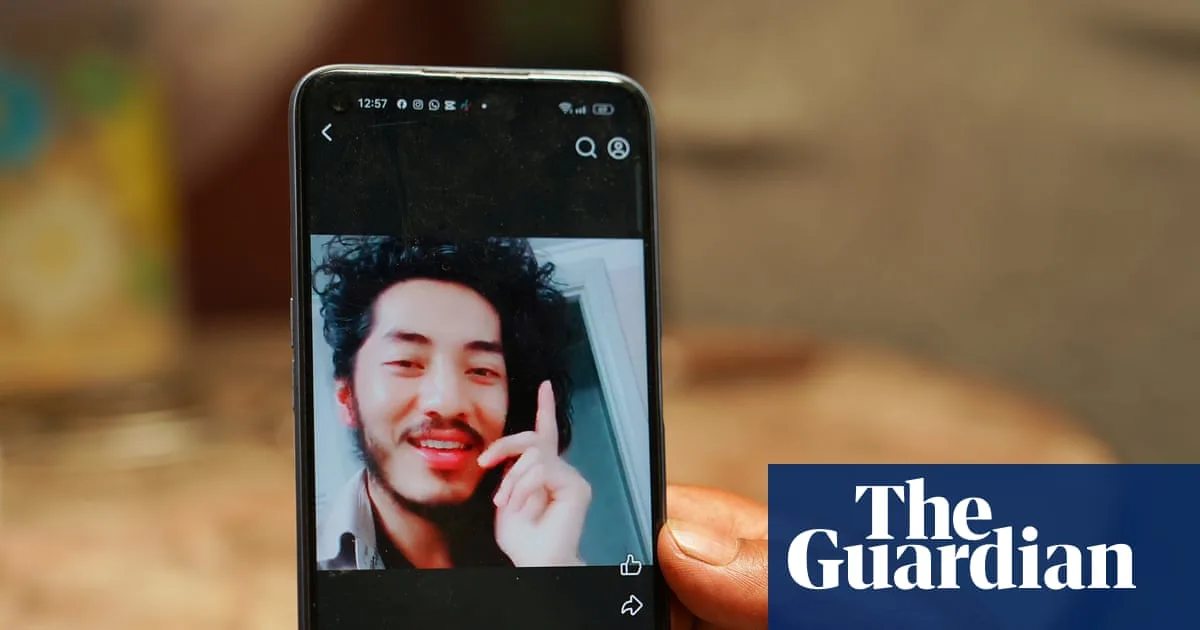
Sydney's Homeless 'Birdman' Death Sparks Calls for Visa and Housing Reform
Sydney Homeless Death Highlights Gaps for Non-Residents

Sydney's Homeless 'Birdman' Death Sparks Calls for Visa and Housing Reform

The death of a young homeless man in Sydney's Hyde Park has been described as "beyond tragic" by federal and state housing ministers, highlighting urgent gaps in services for non-residents with expired visas. Bikram Lama, 32, was found deceased on December 7 last year near the entrance to St James tunnel, where he had been sleeping rough.

Lama's body lay undetected for up to a week near a busy thoroughfare on the edge of Sydney's CBD, underscoring the invisibility often faced by rough sleepers. He had come to Australia from a remote village in Nepal in 2013 to study, with his family hoping this move would lift them out of poverty. However, records indicate his visa expired, and he failed to renew his Nepalese passport in 2023, leaving him in a precarious legal limbo.

Gaps in Support for Non-Residents Exposed

Lama's death has brought to light significant shortcomings in the support available to non-residents who entered Australia legally but have since had their visas lapse. These individuals are often trapped in homelessness because they cannot legally work, access crisis accommodation, social housing, healthcare, or Centrelink benefits. Many non-government organisations and charities are too stretched to provide adequate outreach services, exacerbating the crisis.

Wide Pickt banner — collaborative shopping lists app for Telegram, phone mockup with grocery list

A spokesperson for federal housing minister Clare O'Neil stated that Lama's case serves as a stark reminder of the need for closer collaboration between state governments and community service providers. "Bikram's case is a reminder of how important it is to work closely with our state government counterparts and community service providers to make sure that people don't fall through the cracks – either with mental health support, visa support or crisis support," the spokesperson said.

Government Responses and Advocacy Efforts

The Department of Home Affairs noted it offers targeted support to bridging visa holders awaiting protection visa outcomes and assists non-citizens facing hardship that hinders their migration status resolution. The department also helps non-citizens leave the country voluntarily, emphasizing that those who have exhausted all avenues to remain are expected to depart.

New South Wales housing and homelessness minister Rose Jackson expressed deep sadness over Lama's death, acknowledging gaps in service systems for people without residency status. "I am deeply saddened to hear about the tragic death of Mr Bikram Lama," Jackson said. "Too often when a member of our homeless community dies, their passing does not receive the recognition it deserves. Every life is sacred and every life lost is a tragedy."

Jackson highlighted that while Lama's non-resident visa barred him from permanent housing services, he was not excluded from all support. Outreach teams had identified him and referred him to the inner-city non-resident's homelessness support group, run by St Vincent's Homelessness Health and the City of Sydney Council.

Calls for Policy Review and Funding

Both the City of Sydney and St Vincent's have been lobbying state and federal governments to enhance support for non-residents trapped in homelessness. They advocate for policy reviews to grant access to crisis shelters and housing options for those without residency status.

Sydney's lord mayor, Clover Moore, emphasized the need for action: "We continue to call on the NSW government to fund specialist homelessness services to provide temporary accommodation and housing pathways to those facing hidden or invisible homelessness and people who do not have residency status and so slip through the cracks."

The federal government, responsible for visa determinations, has invested significantly in housing and homelessness measures, including $1 billion through the Housing Australia Future Fund for crisis and transitional accommodation. However, the state government holds primary responsibility for housing, necessitating coordinated efforts to address systemic issues.

This tragic incident underscores the urgent need for reforms to prevent vulnerable individuals from falling through the cracks, ensuring that all people, regardless of residency status, receive the support they need to avoid homelessness and its devastating consequences.

Pickt after-article banner — collaborative shopping lists app with family illustration




