Starmer Declines to Back Mahmood's Immigration Reforms Following Rayner's Criticism
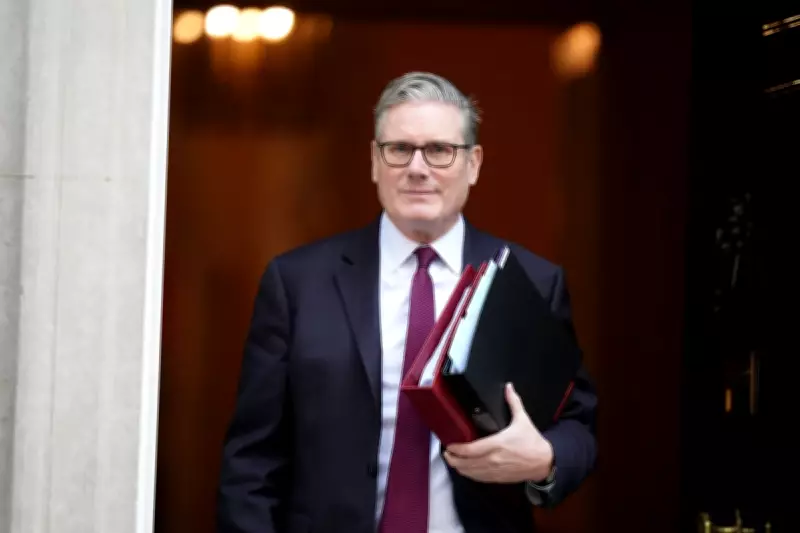
Labour leader Keir Starmer has publicly refused to endorse the controversial immigration reforms proposed by Home Secretary Shabana Mahmood, following sharp criticism from Deputy Leader Angela Rayner. The proposed changes, which have sparked significant political debate, aim to overhaul the UK's immigration system with stricter requirements for migrants seeking indefinite leave to remain.
Rayner's Strong Condemnation of the Plans
Angela Rayner has openly criticised the reforms, describing them as "un-British" and a "breach of trust". Her comments challenge the government's stance and highlight internal divisions within the Labour Party over immigration policy. Rayner's vocal opposition has put pressure on Starmer to clarify his position, leading to his decision not to back Mahmood's proposals at this time.
Details of Mahmood's Proposed Reforms
The reforms, put forward by Home Secretary Shabana Mahmood, include several key changes:
- Doubling the qualification period for indefinite leave to remain from five to ten years.
- Requiring migrants to demonstrate high English proficiency.
- Mandating a clean criminal record for applicants.
- Expecting community volunteering and stable employment.
- Ensuring consistent National Insurance contributions.
These measures are designed to create a more rigorous pathway to settlement in the UK, but critics argue they could be overly restrictive and unfair to migrants.
Government's Hesitation and Political Fallout
Downing Street has declined to reaffirm its commitment to these flagship reforms, stating it is "considering responses" to a Home Office consultation that concluded in February. This hesitation has provided an opportunity for the Conservative Party, which has seized on the government's indecision. Conservatives warn that watering down the plans would demonstrate weakness in protecting the UK's borders, framing the issue as a matter of national security and control.
The political fallout from this debate underscores the ongoing tensions within UK immigration policy, with Starmer's refusal to back Mahmood's plans adding to the uncertainty. As the government reviews the consultation responses, the future of these reforms remains in flux, with potential implications for migrants, political alliances, and public trust in immigration governance.